Sunday, May 21, 2023

DIABETES RESEARCH RIGHT NOW! #6: PART 1 Where We've Come From, Where We're Going

From the first moment I discovered I had been diagnosed with DIABETES, I joined a HUGE “club” that has been rapidly expanding since it stopped being a death sentence in the early 20th Century. Currently, there are about HALF A BILLION PEOPLE who have Type 2 Diabetes. For the past 3500 years – dating back to Ancient Egypt – people have suffered from diabetes. Well, I’m one of them now… Not one to shut up for any known reason, I added a section to this blog…

Every month, I’ll be highlighting Diabetes research that is going on RIGHT NOW! Harvested from different websites, journals and podcasts, I’ll translate them into understandable English and share them with you. Today: From the discovery of diabetes to the POSSIBILITY of a pancreas transplant...


So, I’m under treatment for my Type 2 diabetes. But I was wondering the other day: “What’s the GOAL of what I’m doing now – watching the diet, monitoring my blood glucose levels, taking Metformin…WHERE AM I GOING?”

As far as I have been able to tell from talking with my doctor and researching my condition for the past year, the “goal” seems to be “Live with Type 2 as good as you can so you won’t get all the complications you can get before you die an early death…”

Given I live in the first half of the 21st Century and we regularly talk about artificial intelligence, smart phones, missions to Mars, private space craft flying to an international space station…where heart-lung transplants (first done here in my home town, Minneapolis) and quintuple heart bypasses are *yawningly* routine…why is our solution for Type 2 diabetes just, “Well, ya got it, so learn to live with it. No pancreas transplant for YOU!!!!”

Hmmm…I’m not sure I’m OK with that any more…

In a 2011 interview for the Arizona Republic newspaper/website, Black American memoirist, poet, and civil rights activist, Maya Angelou said, “If you don't know where you've come from, you don't know where you're going.”

While this is clearly true for her life’s work, it’s also as true and useful an aphorism as it can be. In fact, I can see the straightforward application to my life with Type 2 diabetes.

Most of us know that diabetes is one of THE best known and understood diseases, having been diagnosed originally over 3000 years ago by an Egyptian physician named Hesy-Ra, who documented what we would call Type One diabetes from patients who had frequent urination and along with extreme weight loss. The name originated in 230 BC, by the Greek physician named, Apollonius of Memphis. And in 1675 Thomas Willis, an English physician, added the Greek word mellitus to the word diabetes. This was because those with diabetes had urine that smelled sweet (it also tasted sweet, but let’s not go THERE…)

Then, we reach the 20th Century “Frederick M. Allen was a physician in 1913, who believed that previous diabetic treatments had been ineffective because they attempted to substitute fats for carbohydrates which ended with the patient in a coma and dying! Only a starvation diet that limited the total caloric consumption was effective. Allen found that a liquids-only diet could eliminate glycosuria and acidosis. The diabetic could then begin to eat gradually increasing diets, until sugar again began to show up in the urine. This test would allow him to determine how many calories a patient could safely consume. This was LONG before the discovery of insulin. He also recognized that diabetes was not just a disease that caused elevated blood sugar levels but also problems with metabolism.”

In 1936, two doctors discovered insulin in 1921; the next year, a young boy with Type 1 was injected with it…and “the cure” had arrived. Insulin first came from animals – dogs initially; then cows, oxen, and others in 1936…and this was standard practice.

Until suddenly, in 1982, artificially produced, genetically engineered HUMAN-EQUIVALENT insulin made using yeast cells and E. coli (yeah, the one that can give you horrendous diarrhea…) was approved by the FDA and released for use in the world population of Type 1 diabetics. The treatment for diabetes changed dramatically.

And yet…no CURE. A treatment. Certainly stunning, and yet, what about US? Type 2 diabetics? Insulin RESISTANCE was introduced in 1936. The first line of defense has become Metformin. What is it? “…first described in scientific literature in 1922, it was introduced as a medication in France in 1957 and the United States in 1995. In 2020, it was the third most commonly prescribed medication in the United States”

In two weeks…more about metformin – and some concern a friend of mine pointed out…and the possibilities of an artificial, transplantable pancreas!

Link: https://type2diabetes.com/living/10-facts-history-diabetes, https://en.wikipedia.org/wiki/Insulin, https://www.ncbi.nlm.nih.gov/pmc/articles/PMC6205949/, https://en.wikipedia.org/wiki/Metformin Image: https://asploro.com/wp-content/uploads/2019/12/Diabetes-Research_Open-Access.jpg

Sunday, May 7, 2023

GUY’S GOTTA TALK ABOUT…DIABETES #9: The “Dawn Phenomenon” and What Does That Mean???

For the first times since I started this column eleven years ago, it’s going to be about me. I was diagnosed with Type 2 Diabetes two weeks ago. While people are happy to talk about their experiences with diabetes, I WASN’T comfortable with talking about diabetes. My wife is Type 2, as are several friends of ours. The “other Type” of diabetes was what caused the death of my Best Man a year after my wife and I got married. He was diagnosed with diabetes when he was a kid. It was called Juvenile Diabetes then. Today it’s Type 1. Since then, I haven’t WANTED to talk about diabetes at all. But…for my own education and maybe helping someone else, and not one to shut up for any known reason, I’m reopening my blog rather than starting a new one. I MAY take a pause and write about Breast Cancer or Alzheimer’s as medical headlines dictate; but this time I’m going to drag anyone along who wants to join my HIGHLY RELUCTANT journey toward better understanding of my life with Type 2 Diabetes. You’re Welcome to join me!


I was diagnosed with Type 2 Diabetes six and a half months ago and have been monitoring, working on losing weight, eating right, and taking my Metformin…

According to the World Health Organization, “The expected values for normal fasting blood glucose concentration are between 70 mg/dL and 100 mg/dL. When fasting blood glucose is between 100 to 125 mg/dL, changes in lifestyle and monitoring glycemia are recommended.” The lowest reading I’ve EVER had since this start was on April 14 – and that wasn’t even QUITE normal, it was 138. So, my glucometer data was ALL in the red and I get constant, nasty notes from the thing telling me my “Blood Glucose Levels have been high the last three times!” Honestly? No matter WHAT I did lowered the levels after fasting.

So, I changed my USER settings to 110-182 mg/dL. I didn’t do it to make myself feel PHYSICALLY better: I’d have changed it to 3000-1,000,000 mg/dL, then! I just got tired of getting beat up by my device, and imagining the people who set these limits look like this:
https://aanmc.org/wp-content/uploads/2020/06/Dr.Duzzi2017Headshot-scaled-e1594240915188-906x1024.jpg

I needed a realistic goal; a realistic reflection of my experience with room to grow. So, then, what is the Dawn Phenomenon?

“The dawn phenomenon or ‘dawn effect’ is when your blood sugar spikes in the early-morning hours, usually between 3-8am. The dawn phenomenon is very common among those with insulin resistance, and there are some strategies that may help you reduce your fasting blood sugar. What causes are still unclear, though we know that hormones play a large part. These hormones follow a daily cycle, and increase during our waking hours, starting in the early morning.”

So what do I DO about it? The first thing I saw was this: “Working up a sweat in the a.m. is a good idea for anyone experiencing the dawn phenomenon, too—it can help burn up that extra blood glucose.”

GREAT; but I already do that – I bike between 4 and 9 miles every-other-morning and it hasn’t had ANY effect on my blood sugars – they’re the same whether I exercise or not.

Tick. So, as I am writing this on 5/4/23; tonight I will take my blood sugar before bed and then wake up at 2:30am and take them. By the time you read this, you’ll know the result.

What else? No snacks before bed? Uhhhh…I have my phone alarm set at 7 pm; with the intent of not eating anything afterwards. While I sometimes hit that goal, I sometimes miss it, too. I need to both work harder at meeting the goal and also record what I did. The Mayo Clinic Online says I should: “Avoid carbohydrates at bedtime. Change your dose of diabetes medicine or insulin. Switch to a different diabetes medicine. Change the time when you take your medication or insulin from dinnertime to bedtime. Use an insulin pump to give you extra insulin during early-morning hours.”

I’m going to opt for the first one: Avoid carbs at bedtime.

So: no snacks before bed/no carbs before bed (work harder at this); record my blood sugars before bed and in the middle of the night; (continue to) exercise in the morning.

That’s about it! I’ll let you know how it went.

Source: https://www.virtahealth.com/blog/dawn-phenomenon, https://www.mayoclinic.org/diseases-conditions/diabetes/expert-answers/dawn-effect/faq-20057937, https://diabetes.org/diabetes/treatment-care/high-morning-blood-glucose
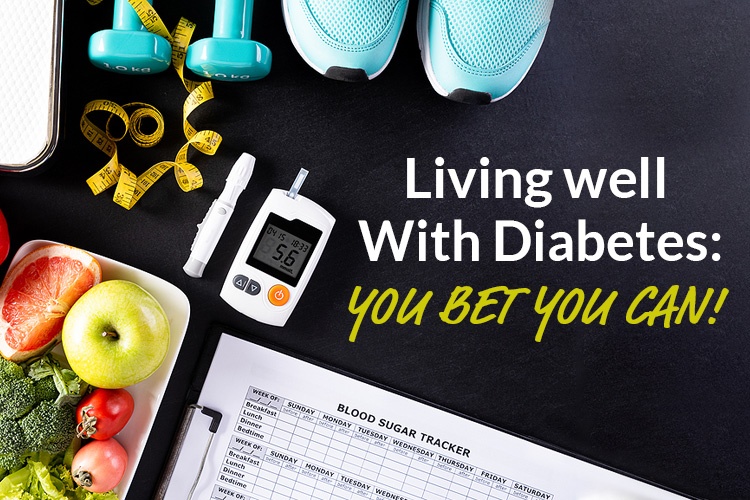
Image: https://www.hcd.com/wp-content/uploads/2021/01/living-well-with-diabetes.jpg

Sunday, April 23, 2023

DIABETES RESEARCH RIGHT NOW! #5: NEW EVIDENCE! EXERCISE ISN’T ONLY GOOD FOR ME ‘NOW’, IT CAN COUNTER PAST DAMAGE OF DIABETES!

From the first moment I discovered I had been diagnosed with DIABETES, I joined a HUGE “club” that has been rapidly expanding since it stopped being a death sentence in the early 20th Century. Currently, there are about HALF A BILLION PEOPLE who have Type 2 Diabetes. For the past 3500 years – dating back to Ancient Egypt – people have suffered from diabetes. Well, I’m one of them now… Not one to shut up for any known reason, I added a section to this blog…

Every month, I’ll be highlighting Diabetes research that is going on RIGHT NOW! Harvested from different websites, journals and podcasts, I’ll translate them into understandable English and share them with you. Today: I DON’T EXERCISE!!!


Ya know, I DON'T exercise! I don’t have a gym membership, I don’t play pickle ball (nothing against it, I’m just not the “sports” type – I barely notice the teams I pay my taxes to Stadium Support for…I’m not sporty. I’m not gamey, either: I’ve learned to LIKE games, but except for my on-line “word search” and the occasional online Solitaire, I don’t play games as a first choice…)

So, I don’t “exercise”, either.

What I do is bike on the extensive bike trails around the city I live in. During the summer, I end up biking between fifteen to thirty miles a week. During winter, I go by hours – about 4-7 hours per week as trail bike is mounted on a trainer in the basement and I try and ride 30-45 minutes every-other-day. I don’t “exercise” though – I bike because I love to bike. I have four different trails of varying distance (between 4-14 miles) and variable difficulty: a five mile ride has a pedestrian bridge over an interstate that has a BRUTAL incline of about 20 degrees. It doesn’t sound like much, but it’s quite a bit steeper than the automotive bridge I take on the return trip! A seven and a half mile ride is mostly on suburban streets and in the sense of difficulty, it’s pretty easy.

But, I don’t “exercise”.

I think I have stuck in my head the old Physical Education ideal of what exercise is – “activity requiring physical effort, carried out to sustain or improve health and fitness.” See, that part of biking is secondary to me. I bike because I love the sense of freedom. As we move into summer, I hit the trails earlier and earlier. When I do my “long ride (the seven mile one above), I have to cross over a heavily traveled county road. At THIS time, it's busy and I usually have to wait for the “perfect moment”. When I reach that same spot in the depth of summer, I can be there at four thirty in the morning – and I just drift across the same stretch of road without a care in the world.

But, I’m NOT exercising! I love the trails I’ve chosen to ride. The image today in place of the usual, is a shot I took on one of my rides; which I would never have seen if I wasn’t out on those trails! But I don’t ride to “exercise”; I ride to SEE things. It’s the same set of trails – about forty miles worth of trails, but the view changes every time I ride!

I don’t ride to exercise – I ride to LIVE. “Angiogenesis is the ability to form new blood vessels, and diabetes not only damages existing blood vessels, it hinders this innate ability to grow new ones in the face of disease and injury.”

This sounds horrific! But worse is yet to come! “SOD3 is an important natural antioxidant produced by muscle cells in the walls of blood vessels as well as skeletal muscle cells. These help maintain healthy levels of reactive oxygen species. We get these species whenever we breathe. The SOD3 tells our body what to do to clean too MANY of these reactive oxygen species out and stimulate the body to make proteins we need to stay healthy. In diabetics, high blood sugar levels result in high ROS levels that severely RESTRICT the making of these proteins.”

My diabetes not ONLY damages my veins, arteries, and capillaries; it also kills the ability of my own body to make proteins to keep me healthy! “SOD3 levels decrease with age and with some disease states like diabetes and hypertension.” What can I do? Do I have to join a gym and run ten miles a day? Do I have to get a weight set for my living room and workout while watching The Voice???

Nope: “…in the face of diabetes, even one 45-minute session of moderate intensity exercise enables more exosomes (submicroscopic packages filled with biologically active cargo, to deliver directly to those cells more of the protein, ATP7A) which can jumpstart angiogenesis.”

Just one session! And if I do more? It just continues the jumpstart! I bike because I LOVE it; but now I can rely on that body reaction to help repair the damage diabetes has done and IS DOING to the blood vessels in my body!

Link: https://www.sciencedaily.com/releases/2022/04/220426101747.htm
Image: https://scontent.xx.fbcdn.net/v/t1.15752-9/339932022_2120679281603971_5456611471299698496_n.jpg?stp=dst-jpg_s206x206&_nc_cat=111&ccb=1-7&_nc_sid=aee45a&_nc_ohc=OMsU-zLHY8AAX-n4chP&_nc_ad=z-m&_nc_cid=0&_nc_ht=scontent.xx&oh=03_AdQdAqhZ8500eGFZybzk2HPhIq634f7anL2Nbuy0Qqa86Q&oe=646A5155

Sunday, April 9, 2023

GUY’S GOTTA TALK ABOUT…DIABETES #8: Understanding A1c – and How To Deal With It…

For the first times since I started this column eleven years ago, it’s going to be about me. I was diagnosed with Type 2 Diabetes two weeks ago. While people are happy to talk about their experiences with diabetes, I WASN’T comfortable with talking about diabetes. My wife is Type 2, as are several friends of ours. The “other Type” of diabetes was what caused the death of my Best Man a year after my wife and I got married. He was diagnosed with diabetes when he was a kid. It was called Juvenile Diabetes then. Today it’s Type 1. Since then, I haven’t WANTED to talk about diabetes at all. But…for my own education and maybe helping someone else, and not one to shut up for any known reason, I’m reopening my blog rather than starting a new one. I MAY take a pause and write about Breast Cancer or Alzheimer’s as medical headlines dictate; but this time I’m going to drag anyone along who wants to join my HIGHLY RELUCTANT journey toward better understanding of my life with Type 2 Diabetes. You’re Welcome to join me!


Yesterday, I had a 3 month check up for my diabetes. Besides blood pressure (good), weight (I’ve lost 7 pounds since I was last weighed!), and my blood sugars (almost always “high”, but there’s a chance I might just have something called “hyperglycemia”. I’ll deal with that later! (Not medically, as a blog post!)

Today, I want to delve more into what exactly my A1c IS.

We’ll start with the “official” definition (aka Wikipedia): “Glycated hemoglobin (HbA1c, glycohemoglobin, hemoglobin, A1C or A1c) is a form of hemoglobin (Hb) that is chemically linked to a sugar. Most monosaccharides, including glucose, galactose and fructose, spontaneously (i.e. non-enzymatically) bond with hemoglobin when present in the bloodstream. However, glucose is less likely to do so than galactose and fructose (13% that of fructose and 21% that of galactose), which may explain why glucose is used as the primary metabolic fuel in humans.”

OK – that’s not terribly helpful. How about someone else? The site EVERYDAY HEALTH, puts it this way: “[The A1c] measures your average blood sugar level over the past three months. Called hemoglobin A1C, or A1C, this test can show you how well your type 2 diabetes management plan is working.”

That seems pretty clear, but HOW does it measure my average blood sugar level? It’s one blood draw! How can it tell how my blood sugars have been for the past THREE MONTHS???

“‘Glycation’ of [many] proteins happens often. When blood glucose levels are high, the glucose attaches to the hemoglobin in red blood cells. When there’s too much glucose in the blood, the more glucose hooks on to hemoglobin in the red blood cells and the higher the glycated hemoglobin.

“Once this happens, it stays that way. When there’s a more than usual amount of this in the red cell, it shows that the cell has been exposed to too much glucose during its life-cycle. A1c is an average of glucose levels during the life of the red blood cells.”

OK. I get how this happens now! But so what? So what if there’s too much glucose attached to the red blood cells in my body? Banner Health has this to say, “High A1c levels mean your diabetes isn’t controlled very well. That can increase your risk for complications, so you may need to be screened for kidney damage, nerve damage, eye damage, and heart disease. Additionally, according to the American Diabetes Association, diabetes is the seventh-leading cause of death in the United States. “It’s worth mentioning that the top six causes of death are all influenced and/or worsened by diabetes, too,” Dr. Bridenstine said.

So what can I do? A1c levels improved significantly after 20 days from start or intensification of glucose-lowering treatment. What are some of those glucose-lowering treatments? We’ll start with natural ways to lower your A1c.

1) Probiotics CAN make a significant reduction in glycated hemoglobin in type 2 diabetics. What are probiotics? Yogurt (avoid ones that are LOADED with sugar! That tradeoff isn’t a good one! Us can sweeten your yogurt with fruit. Unsweetened applesauce is an effective “mixer” for plain yogurt.) Other probiotics (check the labels o make sure the culture is still active/alive!) Different varieties of cheese, kefir, sourdough bread, kimchi, and kombucha. Check the computer for others!

2) Entertain the idea of low carb/high protein meals. Things like lean meats or fish paired with vegetables NOT like peas, beans, carrots, corn, and potatoes. It’s NOT that you CAN’T have them, but you can’t binge on baked potatoes/sweet potatoes and sour cream/maple syrup! By the way, “French fries are NOT potatoes! They are FORMERLY potatoes drowned in boiling oil (used to be an execution sentence! Oh, wait, it is for potatoes. Kills any good the potato had to start with).

3) Water. It’s your friend. Even if you hate it. People my age and my dad’s age didn’t drink water unless they had to. We’d buy Dad a case of bottled water and it would stay unopened for months at a time. I force myself to drink a 1 liter bottle of water (minimal) plus sodas and coffee. Sometimes I drink more water. USUALLY not less.

4) Try to love salads. My wife does NOT. I happen to. HOWEVER, avoid the urge to drown your salad in creamy dressings, then sprinkling with raisins, crumbled taco chips, crushed candied peanuts and walnuts…those are NOT salad! Also, try this: instead of dumping the bag of dressing (or a quarter of a bottle) on your bagged salads, put it in a container and DIP THE FORK into the dressing, then spear your mouthful of lettuce ands… It cuts down on the amount of high calorie, non-food dressings you end up eating, and you might actually taste the mix of lettuce and veggies! Also, try eating different mixes of salads – the grocery store makes it convenient.

5) Exercise. Yeah, I know, me, too: HATE to exercise. I use a trainer for my bike during the Minnesota Winter (usually 4-6 months of snow. Currently, I stopped outdoor biking on November 7, 2022. I started riding again last week on March 27, 2023. (five months of trainer-ing.) BUT, I also did thirteen squats before getting on the trainer (every other day); I also spent a few moments on a balancing disk. I also set up my trainer so I can read while pedaling.

So, the prescription is probiotics, low carb/high protein meals, water, salads/veggies, exercise. I haven’t gotten my most recent A1c back yet, but I’ll add it in when I do!

Source: https://www.dignityhealth.org/articles/7-ways-to-lower-your-a1c-level-even-if-you-dont-have-diabetes, https://www.bannerhealth.com/healthcareblog/teach-me/why-a1c-is-so-significant, https://8fit.com/nutrition/high-carb-vegetables-your-comprehensive-guide/
Image: https://www.hcd.com/wp-content/uploads/2021/01/living-well-with-diabetes.jpg

Sunday, April 2, 2023

GUY’S GOTTA TALK ABOUT…DIABETES #7: HOW Exactly Do Metformin, Glipizide, Insulin, Ozempic, and Etc…Work Together?

For the first time since I started this column eleven years ago, it’s going to be about me. I was diagnosed with Type 2 Diabetes two weeks ago. While people are happy to talk about their experiences with diabetes, I WASN’T comfortable with talking about diabetes. My wife is Type 2, as are several friends of ours. The “other Type” of diabetes was what caused the death of my Best Man a year after my wife and I got married. He was diagnosed with diabetes when he was a kid. It was called Juvenile Diabetes then. Today it’s called Type 1 diabetes. Since then, I haven’t WANTED to talk about diabetes at all. But…for my own education and maybe helping someone else, and not one to shut up for any known reason, I’m reopening my blog rather than starting a new one. I MAY take a pause and write about Breast Cancer or Alzheimer’s as medical headlines dictate; but this time I’m going to drag anyone along who wants to join my HIGHLY RELUCTANT journey toward better understanding of my life with Type 2 Diabetes. You’re Welcome to join me! Today: What does Metformin do?


“…metformin reduces blood glucose through inhibition of complex IV activity which in turn leads to inhibition of glycerol phosphate dehydrogenase activity and reductions in glycerol conversion to glucose”.

OK – I need to translate this…honestly, even for me (BS – Biology, MS – Counseling), it seems a bit language heavy!

Metformin – I take four Tylenol-shaped tablets a day. To be honest, it has NEVER brought my blood sugars down to what they are “supposed to be”. They range from the highest overnight fasting I’ve ever had of 205; to the lowest overnight fasting I’ve ever had of 143. The literature indicates that I should be 130 or less. So, is the Metformin doing what it’s supposed to? I don’t know – I’ll be talking with the doctor in April.

“inhibition of complex IV” – This complex is involved with taking energy that’s stored in cells in a sort of “stable” package, and changing it into an active package that the cell can use. The HECK?!?!?!? OK – I’ll break it down. According to Wikipedia: “The molecular mechanism of metformin is not completely understood.” Why does that make me nervous? In addition to a lot of other things, it works on “complex IV (or 4) –mediated inhibition of the GPD2 variant of mitochondrial glycerol-3-phosphate dehydrogenase (thereby reducing glycerol-derived hepatic gluconeogenesis)” SIMPLIFIED translation: it interferes with how the body makes sugar in the liver to dump into the blood. IOW, it slows down the release of glucose from the liver into the blood. Metformin decreases gluconeogenesis (glucose production) in the liver…The average patient with type 2 diabetes produces three times the normal rate of glucose! Metformin treatment reduces this by over one-third.”

Glipizide: “Glipizide sensitizes the beta cells of the pancreas’ insulin response”…

And that means, WHAT? OK, everyone reading this has a pancreas. It sits on top of the stomach and helps you digest food – and it makes insulin. Insulin allows your body to break down “real food” into its pieces, that is into GLUCOSE. “Glipizide makes the pancreas release more insulin to pick up the glucose and either use it or store it. than would be without glipizide ingestion. Glipizide acts by partially blocking potassium channels in the pancreas. The cell depolarizes, opens calcium channels, which encourages insulin release from beta cells (the cells that MAKE insulin in the pancreas.”

Insulin: If you’re a Type 2 diabetic, then by this point, you likely know what insulin is. If you’re new to this, insulin is a hormone (like testosterone, estrogen, adrenaline, melatonin…the list is very long…). If you missed the definition above: “Insulin allows your body to break down “real food” into its pieces, that is GLUCOSE”.

Ozempic®, etc: a HUGE group of drugs used to treat Type 2 diabetes, particularly those of us who are overweight (ie: FAT). Some of the brand names besides Ozempic®: Trulicity®, Farxiga®, Bydureon®, Victoza®, Adlyxin®, Jardiance®, and a host of others – all work in ways similar to Glipizide.

They all are designed to do the following: help the pancreas release insulin when blood sugar levels are high; help move sugar out of the blood and into other body tissues where it is used for energy; and slow the movement of food through the stomach in order to decrease appetite and promote weight loss. (See my post two weeks ago regarding the circus THAT has turned into!)

This gave me a better point of view to what’s happening in my own body as I continue to try and being my blood sugars under control. Hope it helped you, too.

Source: https://medicine.yale.edu/news-article/how-a-widely-used-diabetes-medication-actually-works/
Image: https://www.hcd.com/wp-content/uploads/2021/01/living-well-with-diabetes.jpg

Sunday, March 19, 2023

DIABETES RESEARCH RIGHT NOW! #4: The Most Effective Weight Loss Wonder Drug Yet About To Arrive and WHAT Does THAT Have To Do With Diabetes????

From the first moment I discovered I had been diagnosed with DIABETES, I joined a HUGE “club” that has been rapidly expanding since t stopped being a death sentence in the early 20th Century. Currently, there are about HALF A BILLION PEOPLE who have Type 2 Diabetes. For the past 3500 years – dating back to Ancient Egypt – people have suffered from diabetes. Well, I’m one of them now… Not one to shut up for any known reason, I added a section to this blog…

Every month, I’ll be highlighting Diabetes research that is going on RIGHT NOW! Harvested from different websites, journals and podcasts, I’ll translate them into understandable English and share them with you. Today: Tirzepatide – The Most Effective Weight Loss Wonder Drug Yet About To Arrive and WHAT Does That Have To Do With Diabetes????


“Butsch, of the Cleveland Clinic, said he is hopeful insurance companies will cover tirzepatide. “We’re seeing really for the first time highly effective anti-obesity medications,” he said. “The benefit is real.”

“A review published last year in the research journal Obesity found that health care professionals hold implicit and/or explicit weight-biased attitudes toward people with obesity… Bias and stigma about obesity run rampant throughout the medical community…’It’s evident across all health professionals, including physicians, nurses, dietitians and others,’ said Lisa Howley, an educational psychologist and the Association of American Medical Colleges' senior director of strategic initiatives and partnerships.”

Most of you are aware that there’s a current shortage of certain diabetes drugs – because they’re being prescribed by doctors for use as a WEIGHT LOSS drug for people who are NOT diagnosed with diabetes. “The current shortage of semaglutide (Ozempic), an important diabetes drug, has an unusual origin: too many people without diabetes are taking it.”

THE HECK!?!?!?!?!

So, doctors and producers are diverting a medication THAT CAN SAVE A LIFE because certain people are TOO LAZY TO EXERCISE OR NOT STUFF THEIR FACES AT EVERY BUFFET FROM HERE TO ETERNITY OR WANT TO SPEND TWENTY HOURS A DAY NOT WATCHING THE TV THAT’S ON IN FRONT OF THEM WHILE THEY TEXT AND PLAY PHONE GAMES.

Do I sound a teensy bit judgmental here? I am. I feel I’m entitled, though. First of all, I AM one of those who (used to and still DO sometimes) am too lazy to exercise, LOVE to stuff my face at a buffet, I’ve NEVER spent much time watching TV (even when I was single), and I DO text and play phone games while I’m watching TV or a movie…so, I’m not judging from a point of some sense of superiority.

I sound a LOT judgmental…(just so you know, the other blog I write is called POSSIBLY IRRITATING ESSAYS (https://faithandsciencefiction.blogspot.com/), I admit it.

And the fact is that, I sort of get the idea taking care of obesity BEFORE it becomes a true medical condition manifesting as Type 2 Diabetes: “Dr. Holly Lofton, the director of the weight management program at NYU Langone Health, regularly prescribes the new drugs to her patients but many, she says, are denied coverage by their insurance. ‘Patients tell me that it appears to them as if insurance companies want to wait until they get so sick that they have more of a necessity for a medication,’ she said.” It’s not a documented study, but it’s certainly a perspective of people.

A doctor writing on the Health Harvard tells this joke: “Drug ads often urge you to ask your doctor if a treatment is right for you. But we already know a key piece of the answer for Ozempic: if you don’t have diabetes, don’t ask for a diabetes medicine to help with weight loss. There are better ways to get the help you need to reach a healthy weight if you are overweight or obese. Talk to your doctor about a full range of treatment options.” Of course, the “full range of treatment options” means: diet, exercise, and living a healthy lifestyle”.

It's perhaps my jaundiced perception and possibly irritating opinion that Americans (me included), and the wealthiest of other countries around the world), don’t WANT anything that smacks of NOT being able to do whatever they want; eat whatever and however much they WANT, and living HOWEVER THE HELL THEY WANT TO – and then taking a shot to keep them slim and trim and healthy.

I’ll also point out that there have been NO long-term studies of the effects of drugs like OZEMPIC and the newest drug Tirzepatide if it is used for extended periods of time…because as a dieter myself, I KNOW that once we reach our target weight, we throw the lifestyle out the window and we’re soon right back where we started.

“A phase 3 clinical trial found a high dose of tirzepatide helped patients lose 22.5%, Wegovy and Saxenda reduced body weight by around 15% and around 5%, respectively.” Ozempic will help you lose 10%...so what drug will the TARGET MARKET go for? DUH! The one that has the potential for you to drop 52 pounds and only have to get your shot once a week!

My wife however, notes, that when she used Ozempic to treat her Type 2 diabetes, it made her extremely ill.

I wonder why they don’t put that in the actual commercial? Hmmm…probably because showing someone barfing on TV wouldn’t help to sell their product…[Who me? Sarcastic? Not at all!]

Link: https://www.nejm.org/doi/10.1056/NEJMoa2206038, https://www.healthline.com/health-news/diabetes-the-top-discoveries-and-developments-of-2022, https://www.nbcnews.com/health/health-news/weight-loss-drug-affordability-rcna60422 , https://www.health.harvard.edu/blog/what-happens-when-a-drug-goes-viral-202302212892 , https://www.myjuniper.co.uk/articles/expected-weight-loss-on-ozempic#:~:text=About%20a%20third%20of%20people,using%20Ozempic%20for%20weight%20loss.
Image: https://asploro.com/wp-content/uploads/2019/12/Diabetes-Research_Open-Access.jpg

Sunday, March 5, 2023

GUY’S GOTTA TALK ABOUT…DIABETES #6 Part 2: What Do the Numbers On Your Glucometer MEAN???

For the first time since I started this column eleven years ago, it’s going to be about me. I was diagnosed with Type 2 Diabetes two weeks ago. While people are happy to talk about their experiences with diabetes, I WASN’T comfortable with talking about diabetes. My wife is Type 2, as are several friends of ours. The “other Type” of diabetes was what caused the death of my Best Man a year after my wife and I got married. He was diagnosed with diabetes when he was a kid. It was called Juvenile Diabetes then. Today it’s Type 1. Since then, I haven’t WANTED to talk about diabetes at all. But…for my own education and maybe helping someone else, and not one to shut up for any known reason, I’m reopening my blog rather than starting a new one. I MAY take a pause and write about Breast Cancer or Alzheimer’s as medical headlines dictate; but this time I’m going to drag anyone along who wants to join my HIGHLY RELUCTANT journey toward better understanding of my life with Type 2 Diabetes.


You’re Welcome to join me! Part 1 of this post is here: https://breastcancerreaper.blogspot.com/2023/02/guys-gotta-talk-aboutdiabetes-6-part-1.html

So WHY exactly is my blood sugar important?

That’s like asking, “Why do I have to put unleaded gasoline in my car?”

Duh! So WHAT if I put Leaded gasoline in my car, isn’t all gas the same? It’s NOT the same! Here’s a micro-history of why: “In search of cheaper compounds, a gasoline scientist discovered that adding tetraethyl lead (TEL) to gasoline would also increase the octane rating (which determines how violent the explosion of the gasoline is – the more explosive it is, the more power it creates.

NASCAR racecars use “Sunoco Green E15, a 98 octane, unleaded fuel blend specifically engineered for high-performance engines and race cars.” The best you can get at the pump is 91 octane.

Anyway, “At the time adding TEL seemed like the perfect solution because it was cheap and you only needed a very small amount to boost the octane power. However, it immediately released lead into the air as invisible smoke. The inventor nearly died of lead poisoning during his research, which caused significant migraines. During production, it immediately caused worker deaths in production plants.”

The sugar in our blood is what powers our bodies. EVERYTHING we do uses GLUCOSE. It is NOT the same a SUCROSE, which is like the sugar in a cube or that some people spoon into their coffee…

By the way: USING SUCROSE (also known as table sugar) DOES NOT CAUSE DIABETES. Eating Twinkies (which are, admittedly DELICIOUS), but that’s because each Twinkie has 33 grams of sugar in it. NO IDEA how much that is? It’s eight sugar cubes. In each one.

So, what happens then? The sugar (cubed or not!) hits your stomach acid, which tears it apart. Sucrose is a sugar that’s made up of two little hexagram boxes that hold onto 12 Carbon atoms, 11 Oxygen atoms, and 22 Hydrogen atoms. It gets torn by your stomach acid into two hexagram boxes. BUT you get two new sugars from the break up!

One is glucose, which you need to run your body. It has 6 Carbon atoms, 6 Oxygen atoms, and 13 Hydrogen atoms. The rest plus a water molecule, make FRUCTOSE (which is also called “fruit sugar”), and that hangs around for bit then the body lets it go.
Your body can do three things with the newly changed glucose: it can use it right away; it can store it in the liver (there it’s called glucogen and can be changed to glucose again really fast). The last thing it does is gets stored…in my flabby belly!

So we have glucose, now what? THIS is where insulin comes in and can work for you to either store your glucose or use the glucose. In someone whose body works the way it’s supposed to, there’s a good level of insulin in the bloodstream. It’s the way our body works – you get glucose IN, and insulin snags it and gets it to where it’s SUPPOSED to be – muscles for either use or short-term storage; the liver for longer-term storage. Insulin lives in the Beta Cells of your pancreas – it’s a sort-of triangle shaped thing that lays on top of your actual stomach (the ORGAN, not like my jiggle pile of flab!)

So, I’m 12 and I eat my Twinkie. Thirty-three grams of sucrose (plus some more complicated CARBOHYDRATES, which are also broken up into various sugars and eventually end up as sucrose and glucose – the body’s very efficient that way! But THAT’S why eating carbs can also affect your blood sugars!) Anyway, the sugar hits the blood, wakes up the Beta Cells, who send out squirts of insulin. Healthy Beta Cells check the level of glucose every few seconds and adjust the squirts to match the amount of glucose in my blood because...insulin travels through the bloodstream, escorting the glucose and telling a the cell’s “doors” to open to let the glucose in. Once inside, the cells change the glucose into energy to use right then or store it to use later.

That was when I was 12…

At almost 66, my Beta Cells are TIRED. Fact is, most people didn’t do anything bad – it’s just a fact of aging that the pancreas is slower to respond than it was when I was standing on the edge of puberty!

But I’m insulin resistant and that changes how glucose is moved around. My body is no longer able to use its own insulin very well. Glucose can’t enter the cells where it's needed, so the amount of glucose in the bloodstream goes UP. The fancy name is hyperglycemia, we know it as, “Dang! My blood sugar is so HIGH! I gotta test it again.”

When blood sugar levels reach 180 or higher, the kidneys try to get rid of the extra sugar through the urine, stressing the kidneys; which leads to disease. When blood sugar levels are close to normal, it means the body is getting the energy it needs to work, play, heal, and stay healthy. If they’re too high? Lethargy. Slow-down of my body’s ability to heal itself when I get injured or even if I have to deal with something like COVID-19. Continued high blood sugars will ruin my chances of recovering my health and staying healthy as I age…

Resource Data: https://www.forbes.com/health/body/best-glucose-meters/; https://www.hcd.com/wp-content/uploads/2021/01/living-well-with-diabetes.jpg; One Touch Verio Test Strip: https://encrypted-tbn0.gstatic.com/images?q=tbn:ANd9GcShHtmHsdoaRg877fv-9VN4tmZwWUqQY9BavQ&usqp=CAU
Image: https://www.hcd.com/wp-content/uploads/2021/01/living-well-with-diabetes.jpg