Showing posts with label Alzheimer's Research RIGHT NOW!. Show all posts

Sunday, July 27, 2025

GUY’S GOTTA TALK ABOUT…TYPE 2 DIABETES #33: Type 2 Diabetes & Alzheimer’s

For the first time since I started this blog eleven years ago, it’s going to be about me. I was diagnosed with Type 2 Diabetes two weeks ago. While people are happy to talk about their experiences with diabetes, I WASN’T comfortable with talking about diabetes. My wife is Type 2, as are several friends of ours. The “other Type” of diabetes was what caused the death of my Best Man a year after my wife and I got married. He was diagnosed with diabetes when he was a kid. It was called Juvenile Diabetes then. Today it’s Type 1. Since then, I haven’t WANTED to talk about diabetes at all. But…for my own education and maybe helping someone else, and not one to shut up for any known reason, I’m reopening my blog rather than starting a new one. I MAY take a pause and write about Breast Cancer or Alzheimer’s as medical headlines dictate; but this time I’m going to drag anyone along who wants to join my HIGHLY RELUCTANT journey toward better understanding of my life with Type 2 Diabetes. You’re Welcome to join me!


Over the years (14 of them, actually…), I’ve written on breast cancer (my wife was diagnosed with it in 2011); Alzheimer’s (my dad was diagnosed in 2016) and finally Type 2 diabetes when I was diagnosed in October of 2022.

Well, my nightmare is coming true: “The relationship between diabetes and Alzheimer's Disease (AD) has increasingly been recognized.” The paper, “Diabetes and Alzheimer’s Disease” (published in JOURNAL OF DIABETES, 2025 May 19, see Source: below) concludes:

“There is, then, a strong connection between diabetes and AD, reflecting underlying insulin resistance leading to [Aβ accumulation and tau hyperphosphorylation] (colloquially known as plaques and tangle). Appropriately powered clinical trials of GLP‐1 RAs and SGLT2 inhibitors, as well as of further potential therapies, are needed to determine effective strategies for prevention and treatment. Conceptually, physical activity and a healthy diet can improve insulin sensitivity and should be effective in reducing AD, but existing evidence to develop effective lifestyle approaches is limited, and this too appears to be an important potential area for research.”

The first part is totally disheartening, and makes me feel like there’s nothing for me to do but to lie down and let the Alzheimer’s and resign myself to sharing inappropriate anecdotes with my children and other friends, or forgetting the name of my youngest child…

Both of those happened with Dad. Outbursts of anger, as well (though, to be perfectly frank, Dad was well known for not only the anger thing, but also a getting in fights thing when he was a kid growing up in Loring Park (downtown Minneapolis).

It was the loss of his grip on reality that frightens me most. He called me a 3:00 am more than once to tell me that he thought that “Your mother has left me. I don’t know why.” I would have to calm him with the tale that my mother had passed away a few days/months/years ago. Which would bring him crashing into reality in total silence.

Those times, or when I had to explain that the person driving him home from a fishing trip was my younger brother, Paul. Or explaining over and over that Mom had died…

Now, I find out that my being a Type 2 diabetic increases the chance of my developing those plaques and tangles and a greater chance of developing Alzheimer’s.

Finally, I read the WORST part: “Clinical trials are underway to investigate the potential of the GLP‐1 RA semaglutide (which you may know as the WONDERDRUG used by people desperate to lose weight by giving themselves shots of…well, I could write out the actual name, but the brand names of semaglutide start with O, W, M, Z and their ilk) rather than controlling their appetites. This has led to insurance coverage being reduced or eliminated in modifying Type 2 diabetics. It is also preventing the potential to control and treat Alzheimer’s Disease among early‐stage symptomatic patients. The sodium‐glucose co‐transporter 2 Inhibitors (SGLT2i; known as those letters listed a few sentences ago) may also have neuroprotective antioxidant and anti‐inflammatory effects, increasing neurogenesis and synaptic activity and decreasing ischemic neuronal damage and mitochondrial dysfunction, as well as improving hyperglycemia and insulin sensitivity.”

So, there you go. First, Type 2 diabetes may lead to Alzheimer’s; and the treatment for both prevention and treatment has been adjudged to be nothing more than a cure for obesity. (and therefore ELECTIVE and therefore probably not covered by insurance or cash on the barrelhead...)

Have a nice day.

Breast Cancer: https://breastcancerreaper.blogspot.com/2011/04/observations-of-breast-cancer-husband.html
Alzheimer’s: https://breastcancerreaper.blogspot.com/2016/09/guys-gotta-talk-aboutalzheimers-1.html
Type 2 Diabetes: https://breastcancerreaper.blogspot.com/2022/10/guys-gotta-talk-aboutdiabetes-1.html

Saturday, July 13, 2024

ALZHEIMER’S RESEARCH RIGHT NOW! #19: Slowing Down Alzheimer’s!?!?!?

From the first moment I discovered my dad had been diagnosed with Alzheimer’s, it seemed like I was alone in this ugly place. Even ones who had loved ones suffering in this way; even though people TALKED about the disease, it felt for me like they did little more than mumble about the experience. Not one to shut up for any known reason, I added a section to this blog…My father passed some years ago, so the immediacy of Alzheimer's has waned. However, research continues. VERY sporadically, I’ll be highlighting Alzheimer’s research that is going on RIGHT NOW! Harvested from different websites, journals and podcasts, I’ll translate them into understandable English and share them with you. ALZHEIMER’S RESEARCH RIGHT NOW! #19: Slowing Down Alzheimer’s!?!?!?!?!

From the first moment I discovered my dad had been diagnosed with Alzheimer’s, it seemed like I was alone in this ugly place. Even ones who had loved ones suffering in this way; even though people TALKED about the disease, it felt for me like they did little more than mumble about the experience. Not one to shut up for any known reason, I added a section to this blog…

VERY sporadically, I’ll be highlighting Alzheimer’s research that is going on RIGHT NOW! Harvested from different websites, journals and podcasts, I’ll translate them into understandable English and share them with you. Today:
“FDA Approves a Second Alzheimer's Drug That Can Modestly Slow Disease” PLUS “First-of-its-kind test can predict dementia up to nine years before diagnosis”

“Researchers at Queen Mary University of London have developed a new method for predicting dementia with over 80% accuracy and up to nine years before a diagnosis. The new method provides a more accurate way to predict dementia than memory tests or measurements of brain shrinkage, two commonly used methods for diagnosing dementia.”

“U.S. officials have approved another Alzheimer’s drug that can modestly slow the disease, providing a new option for patients in the early stages of the incurable, memory-destroying ailment. The Food and Drug Administration approved Eli Lilly’s Kisunla…for mild or early cases of dementia caused by Alzheimer’s.”

DO YOU SEE THE POSSIBLE SIGNIFICANCE OF THIS???

IF doctors and scientists are able to consistently predict dementia using fMRI scans from 1,100 volunteers taken from a UK database holding a half a million participants. From that study, they can then estimate the strength of connections between ten regions of the brain that make up the most significant parts of the brain.

After they figure out that I’m a candidate for developing Alzheimer’s, they should be able to the new drug to slow the disease SOME during the early stages of the disease – more specifically “for mild or early cases of dementia caused by Alzheimer’s.”


While no use for Dad, and ALSO given that knowing that I had/have a sporadic fear that with my dad diagnosed with Alzheimer’s I’m more likely to be diagnosed with it ANY DAY NOW!!!...

Yeah, I know, my own brain drives me crazy sometimes! (OH! “Crazy” is not the same as “Alzheimer’s”!

Finally, I searched and found this: “…statistics related to the risk of developing Alzheimer’s in your lifetime digs up some 3 million hits from Google!

I COULD pore over them and feed my fear, or I could accept the reality that if I’m 60 years old today (I’m currently 67) the odds of developing Alzheimer’s are 4.8%, or in other words, there is a 95.2% chance that I WON’T develop the disease.”

You (like me) might as, “is that a general chance or does it include people whose parents were diagnosed with Alzheimer’s?” The research reaches the following conclusion, “If you have a first-degree relative with Alzheimer’s disease (e.g. mother, father, sibling), your risk of developing the illness is about two to three times higher than someone else your age who doesn’t have a family member with the illness.”

OK – that seems straightforward. That puts my chance of developing Alzheimer’s at (using 2.5 times 4.8 = as likely) at 12%. That’s two chances in twenty-five or about one in twelve; twelve and a half to be precise. So, if we put twelve and a half people in a room, I will have Alzheimer’s, eleven others will not, and there will be a grisly murder for someone like Hercule Poirot to solve. (Which, being in a writing state of mind, puts an idea into my head…)

So, I live in the decade where it has become to not ONLY figure out if I’ll develop Alzheimer’s, it’s now possible to TREAT that diagnosis.

While I’m certainly not immune, I can add to the reasons that it’s unprofitable to worry about being diagnosed with Alzheimer’s. I hope it helps you as much as it quieted my own heart; ‘cause it helps a bit.

Resources: https://www.sciencedaily.com/releases/2024/06/240606152250.htm,https://www.usnews.com/news/business/articles/2024-07-02/fda-approves-a-second-alzheimers-drug-that-can-modestly-slow-disease
Image: https://www.charities.org/wp-content/uploads/2023/10/ADR.png


Sunday, May 21, 2023

DIABETES RESEARCH RIGHT NOW! #6: PART 1 Where We've Come From, Where We're Going

From the first moment I discovered I had been diagnosed with DIABETES, I joined a HUGE “club” that has been rapidly expanding since it stopped being a death sentence in the early 20th Century. Currently, there are about HALF A BILLION PEOPLE who have Type 2 Diabetes. For the past 3500 years – dating back to Ancient Egypt – people have suffered from diabetes. Well, I’m one of them now… Not one to shut up for any known reason, I added a section to this blog…

Every month, I’ll be highlighting Diabetes research that is going on RIGHT NOW! Harvested from different websites, journals and podcasts, I’ll translate them into understandable English and share them with you. Today: From the discovery of diabetes to the POSSIBILITY of a pancreas transplant...


So, I’m under treatment for my Type 2 diabetes. But I was wondering the other day: “What’s the GOAL of what I’m doing now – watching the diet, monitoring my blood glucose levels, taking Metformin…WHERE AM I GOING?”

As far as I have been able to tell from talking with my doctor and researching my condition for the past year, the “goal” seems to be “Live with Type 2 as good as you can so you won’t get all the complications you can get before you die an early death…”

Given I live in the first half of the 21st Century and we regularly talk about artificial intelligence, smart phones, missions to Mars, private space craft flying to an international space station…where heart-lung transplants (first done here in my home town, Minneapolis) and quintuple heart bypasses are *yawningly* routine…why is our solution for Type 2 diabetes just, “Well, ya got it, so learn to live with it. No pancreas transplant for YOU!!!!”

Hmmm…I’m not sure I’m OK with that any more…

In a 2011 interview for the Arizona Republic newspaper/website, Black American memoirist, poet, and civil rights activist, Maya Angelou said, “If you don't know where you've come from, you don't know where you're going.”

While this is clearly true for her life’s work, it’s also as true and useful an aphorism as it can be. In fact, I can see the straightforward application to my life with Type 2 diabetes.

Most of us know that diabetes is one of THE best known and understood diseases, having been diagnosed originally over 3000 years ago by an Egyptian physician named Hesy-Ra, who documented what we would call Type One diabetes from patients who had frequent urination and along with extreme weight loss. The name originated in 230 BC, by the Greek physician named, Apollonius of Memphis. And in 1675 Thomas Willis, an English physician, added the Greek word mellitus to the word diabetes. This was because those with diabetes had urine that smelled sweet (it also tasted sweet, but let’s not go THERE…)

Then, we reach the 20th Century “Frederick M. Allen was a physician in 1913, who believed that previous diabetic treatments had been ineffective because they attempted to substitute fats for carbohydrates which ended with the patient in a coma and dying! Only a starvation diet that limited the total caloric consumption was effective. Allen found that a liquids-only diet could eliminate glycosuria and acidosis. The diabetic could then begin to eat gradually increasing diets, until sugar again began to show up in the urine. This test would allow him to determine how many calories a patient could safely consume. This was LONG before the discovery of insulin. He also recognized that diabetes was not just a disease that caused elevated blood sugar levels but also problems with metabolism.”

In 1936, two doctors discovered insulin in 1921; the next year, a young boy with Type 1 was injected with it…and “the cure” had arrived. Insulin first came from animals – dogs initially; then cows, oxen, and others in 1936…and this was standard practice.

Until suddenly, in 1982, artificially produced, genetically engineered HUMAN-EQUIVALENT insulin made using yeast cells and E. coli (yeah, the one that can give you horrendous diarrhea…) was approved by the FDA and released for use in the world population of Type 1 diabetics. The treatment for diabetes changed dramatically.

And yet…no CURE. A treatment. Certainly stunning, and yet, what about US? Type 2 diabetics? Insulin RESISTANCE was introduced in 1936. The first line of defense has become Metformin. What is it? “…first described in scientific literature in 1922, it was introduced as a medication in France in 1957 and the United States in 1995. In 2020, it was the third most commonly prescribed medication in the United States”

In two weeks…more about metformin – and some concern a friend of mine pointed out…and the possibilities of an artificial, transplantable pancreas!

Link: https://type2diabetes.com/living/10-facts-history-diabetes, https://en.wikipedia.org/wiki/Insulin, https://www.ncbi.nlm.nih.gov/pmc/articles/PMC6205949/, https://en.wikipedia.org/wiki/Metformin Image: https://asploro.com/wp-content/uploads/2019/12/Diabetes-Research_Open-Access.jpg

Sunday, June 12, 2022

ALZHEIMER’S RESEARCH RIGHT NOW! #18: FDA Approves First In Vitro Test for Early Alzheimer’s Disease!!!

From the first moment I discovered my dad had been diagnosed with Alzheimer’s, it seemed like I was alone in this ugly place. Even ones who had loved ones suffering in this way; even though people TALKED about the disease, it felt for me like they did little more than mumble about the experience. Not one to shut up for any known reason, I added a section to this blog…

Every month, I’ll be highlighting Alzheimer’s research that is going on RIGHT NOW! Harvested from different websites, journals and podcasts, I’ll translate them into understandable English and share them with you. Today: In VITRO test for Alzheimer’s markers in Cerebrospinal Fluid!

Up until recently, the only way researchers could detect biomarkers that indicated the accumulation of proteins that are likely the primary cause of Alzheimer’s Disease was to via a spinal tap – or examine the brain tissue after a patient had died. (Such a clinical way to state it…my father passed away three-and-a-half years ago from Alzheimer’s complications from a head injury he got falling off his bed…)

They could also shoot radiation at their heads as well, using Positron Emission Tomography (a PET scan). That’s not the number one choice of doctors and patients everywhere.

So now, the procedure known by the extremely clumsy name Fujirebio Diagnostics’ Lumipulse G β-Amyloid Ratio (1-42/1-40) Test. I’d call it the FDL Test…

But it doesn’t matter what it’s called as long as it does what it’s supposed to do. In this case: “Alzheimer’s is marked by the presence of plaques, or tangles, of beta-amyloid protein in the brain. We can test for them, but until now, the only way to do it was using a PET scan. The new test will do that as well, but requires a spinal tap (which involves inserting a long, thin needle into the lower back, and sucking up a sample of the fluid that’s in the sack around the spine.)

If there’s a strong suspicion of Alzheimer’s in a patient, the doctor can order the test. “The test measures two forms of the protein, referred to as beta-amyloid 42 and beta-amyloid 40. By comparing the amount of each kind, they get a ratio of the two forms of the beta-amyloid. Doing some calculations then can give an idea of whether a person is likely to have amyloid plaques. According to the FDA, using the new test gives results similar to what would be seen in a PET scan.”

Your average PET/CT scanner cost runs between 1.7 million and 2.5 million dollar. Needless to say, your average hospital in Mexico City isn’t going to have one; and if it does, it’s doubtful that the grandmother of a middle-income family would be able to afford it. The new test is much more affordable and will also be more portable.

So, you find out that the patient is likely to have Alzheimer’s. Then what?

“The importance of early diagnosis is essential to effective treatment. But there’s never been an approved biomarker test anyone could use. With it, more efficient clinical trials for new therapies might be developed, and patients, families, and their doctors might take action much earlier in the disease process.”

It’s not widely available yet, but that’s just a matter of time. The efficacy? Hmmm. If you have a spouse, sibling, parent, or grandparent suffering the early stages of Alzheimer’s, you’ll be holding your breath to see if this new test helps!

Resources: https://pharmaphorum.com/news/fda-approves-first-in-vitro-test-for-early-alzheimers-disease/, https://alzheimersnewstoday.com/2022/05/16/alzheimers-diagnostic-test-lumipulse-given-fda-marketing-permission/
Image: https://i.insider.com/605cf658106eb50019d05b11?width=1000&format=jpeg&auto=webp

Sunday, January 9, 2022

ALZHEIMER’S RESEARCH RIGHT NOW! #17: Can Artificial Intelligence (AI) REALLY Help Diagnose FUTURE Alzheimer’s Patients?!?!?!????

From the first moment I discovered my dad had been diagnosed with Alzheimer’s, it seemed like I was alone in this ugly place. Even ones who had loved ones suffering in this way; even though people TALKED about the disease, it felt for me like they did little more than mumble about the experience. Not one to shut up for any known reason, I added a section to this blog…

Every month, I’ll be highlighting Alzheimer’s research that is going on RIGHT NOW! Harvested from different websites, journals and podcasts, I’ll translate them into understandable English and share them with you. Today: Artificial intelligence accurately predicts who will develop dementia in two years

While this may not seem to be particularly “earth-shaking”, it has some interesting
potential.

According to the article: “Artificial intelligence can predict which people who attend memory clinics will develop dementia within two years with 92 per cent accuracy, a largescale new study has concluded.”

Couple of things here – what’s a “memory clinic”? From the article: “…people who attended a network of 30 National Alzheimer's Coordinating Center memory clinics in the US. The attendees did not have dementia at the start of the study, though many were experiencing problems with memory or other brain functions. In the study timeframe between 2005 and 2015, one in ten attendees (1,568) received a new diagnosis of dementia within two years of visiting the memory clinic.”

So, what the heck’s a “memory clinic”???

It appears to be a few things!

First off, I found this: “Those working in memory clinics are specifically trained in understanding conditions such as dementia. They can carry out certain tests to determine your loved one's stage of the condition. This will allow them to prescribe certain drugs, recommend certain lifestyle changes or guide you on useful mental exercises.”

It seems to dovetail with this: “Memory clinics were first described in the 1980s. They have become accepted worldwide as useful vehicles for improving practice in the identification, investigation, and treatment of memory disorders, including dementia. They are provided in various settings, the setting determining clientele and practice. All aim to facilitate referral from GPs, other specialists, or by self-referral, in the early stages of impairment, and to avoid the stigma associated with psychiatric services [What stigma is that?]. They bring together professionals with a range of skills for the benefit of patients, caregivers, and colleagues, and contribute to health promotion, health education, audit, and research, as well as service to patients.”

So, at first blush, it’s a place where health care workers – doctors, nurses, etc. – go to learn how to take care of people with memory problems.

However, I also found this as well at MemoryClinic.net (hotlink below). They offer: “Memory screening self-tests; detailed neurocognitive assessment by neurologist and health care assistant; memory counseling with optimization of genetic, lifestyle, and medical risk factors; memory games and engagement to build cognitive reserve; regular neuropsychological evaluations and memory coaching; referral to specialist care if required for diagnostic workup (MRI, blood tests); symptomatic and disease modifying treatment; prescription and monitoring.”

This online clinic seems to imply that face-to-face, regular doctors and clinics typically offer only this assistance on your/your loved one’s journey:

(emphasis on diagnosis only):
Prevention: Primary care, with limited focus on memory / neuropsychological care
Diagnosis: Primary care tentative diagnosis or referral or memory clinic in specialist hospital
Monitoring and treatment: Sporadic follow-up if feasible

MemoryClinic.net MIGHT be covered by your insurance, but for only $50/month, you can get all of this! But how much of it is different from what you get from a regular clinic?

I know this started out defining what exactly a Memory Clinic is, but it seems there are two definitions: one is a place where Alzheimer’s doctors and those who work with patients with various forms of dementia or memory loss learn the latest research and best practices. The other is sort of like…I dunno, “Brain Camp” (“The Other Woman”, comedy movie: https://www.imdb.com/title/tt2203939/). One of the characters thinks she’s dumb and needs to get smarter by going to “brain camp”.

This on-line memory clinic seems to offer everything a person’s doctor offers – PLUS: Memory screening self-tests; memory counseling with optimization of genetic, lifestyle, and medical risk factors*; memory games and engagement to build cognitive reserve…

OK – I can buy a memory screening self-test at a book store or ask my doctor to do one. I know I can, because I did because I wanted a baseline of me at 64. I’ve no idea what “memory counseling” is. It sounds impressive, but I don’t know who would be qualified to counsel you on your memory, it’s even LESS clear what “optimization” is. Let’s check the definition: “the action of making the best or most effective use of a situation or resource”. So, they’re going to help me make the most effective use of my genetic risk factors; my lifestyle risk factors; and my medical risk factors.

My doctor does the last two regularly. A “memory clinic” does not probably have a genetics counselor on staff, nor do they likely have the ability to do a genetic workup on you. That’s both expensive and unlikely to shed light on your chances of developing Alzheimer’s.

But I was scared, so I did some research into that here: https://breastcancerreaper.blogspot.com/search?q=Alzheimer%27s+risk+increase WORST CASE scenario, if your parent had Alzheimer’s is only an increase of risk of 3%. My AGE has more to do with me developing Alzheimer’s than Dad’s Alzheimer’s diagnosis and his genes do…

So, to say that I’m now skeptical about “Memory clinics” is to understate it a bit. I’m probably about as skeptical of them – and this new computer program – as I am of “brain health supplements”…I’d rant some more, but you can see for yourself (paragraph 3 gives the brand name of the supplement you’re probably most familiar with) https://en.wikipedia.org/wiki/Aequorin

Later, folks…

Resources: https://www.sciencedaily.com/releases/2021/12/211216145926.htm, https://www.nia.nih.gov/health/alzheimers-disease-research-centers, https://www.memoryclinic.net/about/
Image: https://i.insider.com/605cf658106eb50019d05b11?width=1000&format=jpeg&auto=webp

Sunday, November 7, 2021

ALZHEIMER’S RESEARCH RIGHT NOW! #16: The Cause of Alzheimer’s Progression Isn’t What They Thought It Was…SURPRISE!!!

From the first moment I discovered my dad had been diagnosed with Alzheimer’s, it seemed like I was alone in this ugly place. Even ones who had loved ones suffering in this way; even though people TALKED about the disease, it felt for me like they did little more than mumble about the experience. Not one to shut up for any known reason, I added a section to this blog…

Every month, I’ll be highlighting Alzheimer’s research that is going on RIGHT NOW! Harvested from different websites, journals and podcasts, I’ll translate them into understandable English and share them with you. Today: Plaques and Tangles...NOT what we thought!


Sometimes I think the Human species, in particular the one that lives in the United States, thinks it knows everything. Boss Nass says in Star Wars: Episode One has a similar opinion regarding the Naboo, the Humans who share the world with them. He said to Princess Amidala, “The Naboo think they are so smarty. They think their brains so big.”

We’ve found out that we don’t REALLY know as much as we thought we did. After we “took care of COVID19”, we discovered that things we never even thought about were affected by a cascade of troubles whose root is the pandemic. For example, it’s doubtful that in the summer of 2020 anyone even thought about food and product SHORTAGES (except for sterilizing wipes and toilet paper!), yet here we are, images of countless cargo container ships sitting idle while we go shopping and find empty shelves…

Why would we be surprised that scientists and doctors singing the praises of cures that take care of Alzheimer’s “plaques and tangles” and that all we have to do is find a pill that, when popped, would make the plaques and tangles for “POOF!”.

And here we are; at least two “wonder cures” for Alzheimer’s a lost cause…“For the first time, researchers have used human data to quantify the speed of different processes that lead to Alzheimer’s disease and found that it develops in a very different way than previously thought.”

Huh…how long have they been really trying to find a cure?

“Alzheimer's disease was first described in 1906. In the century since then, scientists have made remarkable strides in understanding how Alzheimer's affects the brain and learning how to make life better for affected individuals and families. Below are some important milestones in our progress, including the founding of the Alzheimer's Association in 1980, which has played a key role in advancing research and raising awareness of the disease.”

Where the previous treatments targeted the proteins found in plaques and tangles, this new data finds that instead of SPREADING from one place in the brain, the proteins start all over the brain and grow individually…

“‘The thinking had been that Alzheimer’s develops in a way that’s similar to many cancers: the aggregates form in one region and then spread through the brain,’ said Dr Georg Meisl from Cambridge’s Yusuf Hamied Department of Chemistry, the paper’s first author. ‘But instead, we found that when Alzheimer’s starts there are already aggregates in multiple regions of the brain, and so trying to stop the spread between regions will do little to slow the disease.’”

As you can imagine, we seemed to have been blindsided by our battle against cancer – because that’s how cancers grow. A cancerous lump in the breast “leaks” cancer cells, which pass through the bloodstream and “take root” elsewhere in the body – the technical term is that the cancer “metastasizes”.

Of course, Alzheimer treatments are created that tackle the problem as if it were a cancer…

But that’s apparently not how Alzheimer’s works. “In AD, tau and another protein called amyloid-beta build up into tangles and plaques – known collectively as aggregates. Brain cells die off because of the interaction with the invasive proteins, and the brain begins to shrink. This results in memory loss, personality changes and difficulty carrying out daily functions.”

At this early stage, there’s nothing to be “done”, but unlike cancers, autoimmune diseases, such a Rheumatoid Arthritis and Multiple Sclerosis, can start in different places of the body; different joints or body systems for example.

While doctors still don’t have RH and MS “under control”, perhaps further research will show that treatments for autoimmune diseases will provide insight in to developing new treatments for Alzheimer’s.

Resources: https://www.sciencedaily.com/releases/2021/10/211029152240.htm, https://www.alz.org/alzheimers-dementia/research_progress/milestones

Sunday, September 12, 2021

ALZHEIMER’S RESEARCH RIGHT NOW! #15: Math Formula Predicts Your Alzheimer’s FUTURE PRACTICALLY 100% OF THE TIME!?!?!?!?!?!?! And OTHER New Discoveries!

From the first moment I discovered my dad had been diagnosed with Alzheimer’s, it seemed like I was alone in this ugly place. Even ones who had loved ones suffering in this way; even though people TALKED about the disease, it felt for me like they did little more than mumble about the experience. Not one to shut up for any known reason, I added a section to this blog…

Every month, I’ll be highlighting Alzheimer’s research that is going on RIGHT NOW! Harvested from different websites, journals and podcasts, I’ll translate them into understandable English and share them with you. Today: Using math to predict my chances of getting Alzheimer’s? (Why isn’t THIS headline news instead of another probably disappointing “drug” that costs a gazillion dollars and just does the same thing that some different drug did before? (https://breastcancerreaper.blogspot.com/2021/07/alzheimers-research-right-now-14-fda.html))


Two separate studies show similar results in VERY different ways.

In the first, scientists used stem cells in people (taken with their permission, these cells come from an individual – basically cells that aren’t heart or brain or skin or nerve cells. They were able to “turn on the cells” so they became new brain cells in a test tube. The people they started with had either been identified with Alzheimer’s or had passed away from Alzheimer’s complications. The new cells aged, and as they did, they produced the two main suspects in AD – amyloid plaques and Tau tangles – plaques and tangles. They behaved exactly as the cells in the study volunteers had.

The result: they found that there is NO SINGLE THING that causes Alzheimer’s in people. It’s a complicated mixture of genetics, environment, exercise, what you eat, and even what kind of medications you take. Only fifty people took part in the study – but it has yielded some startling information and only the future can tell what else we might learn!

The second discovery? “Researchers from Lithuania developed a deep learning-based method that can predict the possible onset of Alzheimer's disease from brain images with an accuracy of over 99 percent.”

OK, let’s unwrap this a little. What’s “deep learning”? “Deep learning is a…technique that teaches computers to do what comes naturally to humans: learn by example…[it’s behind driverless cars, letting them tell the differences between a stop sign, a pedestrian, and a lamppost. It lets you use Siri or HeyGoogle, or whatever system to voice control your phones, tablets, TVs, and hands-free speakers. Deep learning lets your computer “learn” to perform classification tasks directly from images, text, or sound.”

So, a computer with the deep learning program has learned to predict whether or not I’ll get Alzheimer’s – with nearly 100 % accuracy!

The problem? You have to get an fMRI scan for this to work. What the heck’s an fMRI? “Functional magnetic resonance imaging (fMRI) measures the small changes in blood flow that occur with brain activity…fMRI may detect abnormalities within the brain that cannot be found with other imaging techniques.” It’s the detection of the abnormalities that form the basis of the ALGORITHM (a mathematical formula) that analyzes changes in a person’s brain over time.

Of course, PEOPLE could do this, but it takes lots of time. Computers can do it faster and better. But THAT’S NOT WHERE IT STOPS; working with the computer data, doctors can also look at variables outside of what the computer was programmed to do….

Neither of these techniques – and that’s what they are, sharpened tools of things scientists have been trying to do for yours, combined with cloning techniques and advanced computer techniques – to better understand what goes on inside an AD person’s head. Once they understand what IS happening, they can figure out how to STOP WHAT’S HAPPENING…

And that’s when we get a cure.

Resources: https://medicalxpress.com/news/2021-09-brain-patient-specific-alzheimer-insights-cognitive.html, https://medicalxpress.com/news/2021-09-algorithm-alzheimer-percent-accuracy.html, Deep Learning: https://machinelearningmastery.com/what-is-deep-learning/
Image: https://www.meduniwien.ac.at/web/fileadmin/_processed_/e/1/csm_shutterstock_142671010_4683b6bf13.jpg

Sunday, July 18, 2021

ALZHEIMER’S RESEARCH RIGHT NOW! #14: FDA approves first new Alzheimer's drug in nearly two decades!!! Controversy Immediately Ensues!!!

From the first moment I discovered my dad had been diagnosed with Alzheimer’s, it seemed like I was alone in this ugly place. Even ones who had loved ones suffering in this way; even though people TALKED about the disease, it felt for me like they did little more than mumble about the experience. Not one to shut up for any known reason, I added a section to this blog…

Every month, I’ll be highlighting Alzheimer’s research that is going on RIGHT NOW! Harvested from different websites, journals and podcasts, I’ll translate them into understandable English and share them with you. Today: A NEW Alzheimer’s Drug…that apparently doesn’t work and costs $85,000 for a one year prescription…has been approved by the FDA?!?!?!?!

So, it’s finally here, you say!

I *sigh* and say, “I’m happy for those families, and while the advertising makes it sound the “Cure Is Here!!!!”, the science is far, far less certain.

This new “wonder drug”… well, let me back up.

The current cause of Alzheimer’s Disease, from the Alzheimer’s Association web site (rather than the drug manufacturer’s website: “Researchers believe there isn't a single cause of Alzheimer's disease. It likely develops from multiple factors, such as genetics, lifestyle and environment. Scientists have identified factors that increase the risk of Alzheimer’s. While some risk factors — age, family history and heredity — can't be changed, emerging evidence suggests there may be other factors we can influence.”

So, to paraphrase, “…there isn’t a single cause of AD…” It’s a disease with various dimensions, MOST likely, which work together to bring about the changes in the brain that cause the symptoms of Alzheimer’s. These factors are age, family history, genetics, head injury, there’s a heart-head connection involving heart disease and the ability of the heart and its accompanying vessels to carry properly oxygenated blood.

The culprit currently are a tandem problem: plaques and tangles.

Plaques form when protein pieces called beta-amyloid clump together. The pieces come from larger proteins found in the fatty membrane surrounding nerve cells that had started to break up. These pieces are chemically "sticky" and gradually build up into clumps – or plaques – between the brain cells. These clumps may block cell-to-cell signaling as well as kick off an immune response that trigger inflammation, which can lead to the body itself devouring disabled cells.

Tangles, on the other hand, come from dead and dying nerve cells. The tangles are made up of twisted strands of another protein that’s broken up. Nutrients and other essential supplies that keep the brain healthy and functioning, can no longer move through the cells, which eventually die.

There have been several drugs prescribed to Alzheimer’s patients, and while there have been small improvements in some people, as a whole, the “silver bullet” has eluded 20th and 21st Century medicine.

The newest drug doesn’t do anything notably different: “Aduhelm, which is based on the surrogate endpoint of reduction of amyloid beta plaque in the brain…”

Translated? No idea. But this is a bit more transparent: “Aduhelm works by removing beta amyloid, delay[ing]…mild cognitive impairment…or mild Alzheimer's dementia. Some people…experienced significant benefits on measures of cognition and function…such as memory, orientation and language, daily living skills…[like] conducting personal finances, performing household chores (such as cleaning, shopping and doing laundry) and independently traveling out of the home.”

Some patients may experience “temporary swelling in areas of the brain that usually resolves over time and does not cause symptoms…others may have symptoms such as headache, confusion, dizziness, vision changes, or nausea…[a] hypersensitivity reaction, including angioedema (rapid swelling of the area beneath the skin or mucosa [like in] the face and throat, as well as the limbs and genitals.” Also, urticaria (you break out in hives).

The most common side effects of Aduhelm were headache, fall danger, diarrhea, and confusion/delirium/altered mental status/disorientation. (Honest observation of my dad? This seems like things he experienced already without taking Aduhelm…)

But other drugs have removed beta-amyloid, and while I’m sure that’s great, removing beta-amyloid is only one small part of the problem. There are OTHER factors that go into Alzheimer’s…

Carlie Porterfield of Forbes Magazine reports that at least two major hospital systems – the Cleveland Clinic, and Mount Sinai in New York, remain unconvinced that the new drug is particularly effective against Alzheimer’s. First of all, “…approved by the FDA in June [Aduhelm] was the first major Alzheimer’s medication to receive the green light from the agency in nearly 20 years.” Can you say, “PRESSURE LOBBYISTS”? Also, there are concerns “over conflicting data from clinical trials about the efficacy of the drug. While a phase 3 study found a 22% reduction in cognitive decline in patients who took Aduhelm, a following clinical trial found no benefit.” And (in a totally stunning surprise) “…the cost of the treatments [would be] $56,000 annually and [a] financial burden…place[d] on Medicare.”

I think the fallout is only beginning: “…some outside advisors [are] quitting in protest of the approval, while Sen. Joe Manchin (D-W.Va.) called for FDA Acting Commissioner Janet Woodcock to be refused a permanent role as the head of the agency.”

Worst of all, families who thought that help was on the way – and we were one of those families a few years ago – have once again had their hopes dashed by…well…I’ll keep my opinion on that to myself, though you can probably figure out what I think about drug companies and profiteering just by reading this essay…

Resources: https://www.kare11.com/article/news/nation-world/fda-approves-first-new-alzheimers-drug-in-nearly-two-decades-biogen-aducanumab/507-85338078-26c9-4d3b-ba4e-89ba4e64c25e
References: https://www.alz.org/alzheimers-dementia/what-is-alzheimers/brain_tour_part_2, https://www.alz.org/media/documents/fda-approved-treatments-alzheimers-ts.pdf, https://www.forbes.com/sites/carlieporterfield/2021/07/15/heres-why-2-major-health-centers-wont-carry-controversial-new-alzheimers-drug/?sh=64b2cbb9445d
Image: https://encrypted-tbn0.gstatic.com/images?q=tbn:ANd9GcSYobM5GeFry6lVayNtb8o5ks8AftNG0URFgu_oXUYoYAK2ON3Kix5-x8KikJh6cUqX6s07sMTjm_qfOA&usqp=CAU

Sunday, May 2, 2021

ALZHEIMER’S RESEARCH RIGHT NOW! #13: Of Algorithms and the Struggle To Define and Treat Alzheimer’s…

From the first moment I discovered my dad had been diagnosed with Alzheimer’s, it seemed like I was alone in this ugly place. Even ones who had loved ones suffering in this way; even though people TALKED about the disease, it felt for me like they did little more than mumble about the experience. Not one to shut up for any known reason, I added a section to this blog…

Every month, I’ll be highlighting Alzheimer’s research that is going on RIGHT NOW! Harvested from different websites, journals and podcasts, I’ll translate them into understandable English and share them with you. Today: “What’s an algorithm and what does it have to do with Alzheimer’s???”


I’ve written on the new methodologies being developed for the DETECTION of Alzheimer’s (Blood tests looking for biomarkers: https://breastcancerreaper.blogspot.com/2021/02/alzheimers-research-right-now-12-blood.html), https://breastcancerreaper.blogspot.com/2020/12/alzheimers-research-right-now-11-new.html, https://breastcancerreaper.blogspot.com/2020/10/alzheimers-research-right-now-10.html, https://breastcancerreaper.blogspot.com/2020/01/alzheimers-research-right-now-5-toxic.html)

I’ve reflected on what the CHANCES are for me of developing Alzheimer’s: “…accept the reality that if you are 60 years old today, the odds of developing Alzheimer’s are 4.8%, or in other words, there is a 95.2% chance that you won’t develop the disease…If you have a first-degree relative with Alzheimer’s disease, your risk of developing the illness is about two to three times higher than someone else your age who doesn’t have a family member with the illness…That puts my chance of developing Alzheimer’s at (using 2.5 times as likely) at 12%. That’s three chances in twenty-five or about one in twelve; twelve and a half to be precise. So, if we put twelve and a half people in a room, I will have Alzheimer’s, eleven others will not, and there will be a grisly murder for someone like Hercule Poirot to solve. Which, being in a writing state of mind, puts an idea into my head…” (https://breastcancerreaper.blogspot.com/2019/10/guys-gotta-talk-aboutalzheimers-26.html)

So, the article that came across my computer today is referenced below. What it does is NOT new research, rather about developing a STANDARDIZED treatment for different kinds of Alzheimer’s. Detecting the biomarkers (stuff in your blood that can tell you something about how sick you are. People who are diabetic have to prick their finger to get a “blood sugar” reading – that’s a “biomarker”.)

What HASN’T been getting easier is figuring out WHAT to do. There are treatments out there – everything from starting a drug regimen (no matter how effective, the attitude with my dad was “trying to do something is better than doing nothing”…) to prescribed exercise and “reading”.

The study here has “…created a new diagnostic biomarker-based algorithm for the diagnostics of dementia…The accurate diagnosis of different types of dementia is frequently complicated and often cannot be set at the early phases of the disease due to the lack of practical and specific diagnostic tools. In addition, the clinical symptoms of patients with various neurodegenerative diseases often overlap and thus, the accurate diagnosis is not always possible.”

What’s an algorithm, though?

“In mathematics, computing, linguistics, and related subjects, an algorithm is a set of instructions, a step-by-step procedure for solving a problem, often used for calculation and data processing. It is formally a type of effective method in which a list of well-defined instructions for completing a task, will when given an initial state, proceed through a well-defined series of successive states, eventually terminating in an end-state. The transition from one state to the next is not necessarily deterministic; some algorithms, known as probabilistic algorithms, incorporate randomness.”

Honestly? A set protocol could be powerful and has a much better chance of success…as opposed to the groping around I saw with my father’s treatment.

Resources: https://medicalxpress.com/tags/algorithm/
Image: https://www.meduniwien.ac.at/web/fileadmin/_processed_/e/1/csm_shutterstock_142671010_4683b6bf13.jpg

Sunday, February 7, 2021

ALZHEIMER’S RESEARCH RIGHT NOW! #12: A Blood Test For Alzheimer’s BEFORE THE SYMPTOMS APPEAR!?!?!?!

From the first moment I discovered my dad had been diagnosed with Alzheimer’s, it seemed like I was alone in this ugly place. Even ones who had loved ones suffering in this way; even though people TALKED about the disease, it felt for me like they did little more than mumble about the experience. Not one to shut up for any known reason, I added a section to this blog…

Every month, I’ll be highlighting Alzheimer’s research that is going on RIGHT NOW! Harvested from different websites, journals and podcasts, I’ll translate them into understandable English and share them with you. Today: Blood Tests and Alzheimer’s…an advance!


In August of 2019, I wrote that there seemed to be evidence suggesting a simple blood test could indicate Alzheimer’s Disease in a person who had NO SYMPTOMS… (https://breastcancerreaper.blogspot.com/2019/08/alzheimers-research-right-now-3-what-do.html)

Well, it seems the day has arrived! Researchers in Germany had this to say: “An accessible, affordable, and minimally invasive biomarker for Alzheimer's disease would revolutionize care of patients worldwide, as well as boost the development of novel drugs for this presently still incurable disease.”

They were fairly sure that they’d discovered the biomarker in 2019, but recent developments had given solid evidence that they have, indeed made what us normal people would call a breakthrough. It seems that, two years later, the test is here!

“After decades of research, we now know that Alzheimer's disease-related memory problems are just the tip of the iceberg of underlying degenerative processes in the brain that have been silently developing over years or even decades…Until recently, it was only possible to detect these protein aggregates in the brains of deceased patients at autopsy.”

Fat lotta good THAT does us!

Last year, researchers discovered a specific biomarker related to Alzheimer’s called a “phosphorylated tau protein (p-tau181)”.

OK…sorta cool…but WHAT THE HECK DOES THAT MEAN?!?!?!?

Let me do what I do best: break it down into English so normal people can understand the medical “blah, blah, blah”. First, what’s a “biomarker”?

Apparently, biomarkers are also used in cancer research! According to cancer.gov: it’s a “…molecule found in blood, or in other body fluids, or tissues that is a sign of a normal or abnormal process, or of a condition or disease.”

What are some “biomarkers” us normal people would be familiar with? When you get a sample of “poop” and send it in the little container to the doctor to see if you can skip the colonoscopy this year – that’s giving your doctor a biomarker.

Lately, the biomarkers that are on everyone’s mind – and in their nose, spit, blood, and (ewww…butts!: https://www.health.com/condition/infectious-diseases/coronavirus/anal-swabs-coronavirus) – are the antibodies formed in your body that prove that you are positive or negative for COVID-19.

If you’re diabetic, checking your blood sugars or your A1c are both sampling biomarkers.

Researchers have discovered a new biomarker that will let them detect Alzheimer’s Disease before you start suffering the ravages. What is this “phosphorylated tau protein (p-tau181)” and how does it get into your blood and how can it tell them if you (I imagine) test positive for Alzheimer’s Disease?

Up until this study, the only way to see the p-tau81 was under a PET scan – which is expensive to do, and there are a very limited number of PET scanners available, primarily in large cities with a heavy investment in cutting edge medical technology. Basically, it’s a big molecule called a “tau protein” that we find in microscopic tubes of the nerves in our brains. It’s job is to stabilize the neurons so that they can do their best job: carrying signals into and out of the brain.

When there’s brain damage – like a traumatic brain injury, those proteins increase and can be seen in the fluid that surrounds the brain and spinal cord (you’ve heard of a spinal tap – the tap removes a bit of the fluid in the spine to test for diseases). The tau proteins are “attacked” in an process where a phosphorus molecule with three oxygens clamps on to it through another molecule called an enzyme (enzymes are what’s in your spit. They get mixed with food to start breaking it down even before it gets to your stomach!) These phosphoryl groups cause the tau proteins to get tangled up with each other. It’s currently understood that these “tau tangles” are part of a process that destroys memory and recall in the brain.

That’s not ALL that causes Alzheimer’s, but these tau tangles are a major component. The blood test will allow doctors to find the tau proteins with their phosphoryl groups LONG before they start to cause serious damage to the brain.

According to the journal article linked below, “In Alzheimer’s disease (AD) and related neurodegenerative diseases, including chronic traumatic encephalopathy, tau is abnormally phosphorylated and aggregated into bundles of filaments.”

That was cool enough, but then they developed “a cheap blood test capable of detecting the presence of phosphorylated tau protein – knowing that it is a defining hallmark of Alzheimer’s Disease.” They can then inform the patient that there will likely be a problem in the future.

Besides traumatic brain injury, what CAUSES the phosphorylation of the tau proteins in the microtubules of the nerves of the brain?

No one knows, just as no one knows why some people experience the degeneration of Alzheimer’s starting when they’re 78 years old; and others become the President of the United States.

There is no current TREATMENT for destroying these p-tau81 proteins, and of course the problem will STILL be admitting it to yourself and your loved ones that Alzheimer’s Disease looms darkly in your or their future.

Resources: https://www.sciencedaily.com/releases/2021/01/210113100824.htm, https://jamanetwork.com/journals/jamaneurology/fullarticle/2774467
Image: https://www.meduniwien.ac.at/web/fileadmin/_processed_/e/1/csm_shutterstock_142671010_4683b6bf13.jpg

Sunday, December 6, 2020

ALZHEIMER’S RESEARCH RIGHT NOW! #11: NEW Biomarkers Discovered THAT CAN ACCURATELY PREDICT ALZHEIMER’S (Possibly Up To) EIGHT YEARS BEFORE ONSET!!!!!

From the first moment I discovered my dad had been diagnosed with Alzheimer’s, it seemed like I was alone in this ugly place. Even ones who had loved ones suffering in this way; even though people TALKED about the disease, it felt for me like they did little more than mumble about the experience. Not one to shut up for any known reason, I added a section to this blog… 

Every month, I’ll be highlighting Alzheimer’s research that is going on RIGHT NOW! Harvested from different websites, journals and podcasts, I’ll translate them into understandable English and share them with you. Today: A Tau-protein that helps DIAGNOSE Alzheimer’s!

It’s well understood today that finding amyloid plaques and tau tangles in the brain remains the gold standard for diagnosing Alzheimer’s disease. We can do that because we now have tools that are highly sensitive to the plaques and tangles that is done using a combination of taking a sample of a patient’s cerebrospinal fluid (CSF) and doing a PET scan (like a CAT scan only aided by injection of a special fluid).

The big problem is that to get CSF, you have to puncture the SPINAL column with a huge needle. And while CAT scanners are pretty common things, a PET scanner is something else again – both expensive to buy and REALLY expensive to operate because the injection is radioactive and has to be “made” on site, so in order to DO a PET scan, you have to live in a rich country and live near a HUGE city…or get to one.

Right now, there are two main ways of figuring out if someone has Alzheimer’s – the PET scan and the spinal puncture. These are called “core AD biomarkers”, are widely used in both clinical and research settings.

The increases in a specific kind of a protein called “p-tau” – one of the “core AD biomarkers” – provides new insight into the biological and clinical development of Alzheimer's disease – BEFORE there are cognitive changes like increasing loss of memory and the other symptoms associated with Alzheimer’s Disease, sometimes as much as EIGHT YEARS BEFORE a person dies from the accumulating effects of AD.

But there’s been a new development! Where the old standard practice involved spinal taps and PET scans, doctors in Spain, France, and Slovenia have developed a test that is a SIMPLE BLOOD TEST! One of the participating doctors noted that “The practical challenge…is that…very tiny initial changes [in the amounts of p-tau] and are incredibly difficult to measure reliably. This compromises our chances to identify and recruit preclinical AD patients for clinical trials.”

An extended series of blood tests that look for increase in the p-tau molecule are conducted on people who MAY have a predisposition to Alzheimer’s – people like me who had a parents who was diagnosed with AD. Another participating doctor said, “A possible way to improve the chances of future therapies is to test them on people in the very early stages of the disease with elusive biological changes but lacking clinical symptoms including memory failings.”

While the treatment is NOT AVAILABLE yet, and this is NOT a cure, but rather a way to detect early signs of Alzheimer’s, it’s a long step forward in the fight to make Alzheimer’s “one more condition” to treat long before it gets out of control.

Resources: https://www.sciencedaily.com/releases/2020/12/201201203937.htm
(the original study: https://link.springer.com/article/10.1007/s00401-020-02195-x)
Image: https://www.meduniwien.ac.at/web/fileadmin/_processed_/e/1/csm_shutterstock_142671010_4683b6bf13.jpg

Sunday, October 11, 2020

ALZHEIMER’S RESEARCH RIGHT NOW! #10: Proteins Found In Eyeball May Be Able To Help In ALZHEIMER’S Diagnosis!

From the first moment I discovered my dad had been diagnosed with Alzheimer’s, it seemed like I was alone in this ugly place. Even ones who had loved ones suffering in this way; even though people TALKED about the disease, it felt for me like they did little more than mumble about the experience. Not one to shut up for any known reason, I added a section to this blog…

Every month, I’ll be highlighting Alzheimer’s research that is going on RIGHT NOW! Harvested from different websites, journals and podcasts, I’ll translate them into understandable English and share them with you. Today: “Biomarker indicating neurodegeneration identified in the eye”

A little over a year ago, I discovered that there was evidence that a simple eye test might be able to detect amyloids on the retina. The link to my blog post is here – and at that time there was very little information on the procedure: https://breastcancerreaper.blogspot.com/2019/08/alzheimers-research-right-now-3-what-do.html

A recent study (see link below) seems to be an extension of the research I was barely able to touch on. It seems there might be a link between what was originally a blood test and possibly finding the same proteins in the vitreous humor in the eye – that is, in the liquid that fills your eyeball to make it inflated and look sort of like a water balloon.

With almost 5.8 million Americans and 35.2 million Alzheimer’s victims worldwide – and the number is growing as science continues to extend the Human lifespan – the economic and emotional impact will only continue to grow as time passes.

Early detection might help to blunt some of the impact.

OK – let’s back up a little. How’s all of this tied to my dad’s suffering Alzheimer’s for at least four years?

It seems that, while the causes of Alzheimer’s are elusive, we do know certain things. One of those things is that the disease has SOMETHING to do with proteins called “β amyloids and tau proteins [which] are biomarkers for Alzheimer's disease…”

Huh? What are these things? OK – first of all they’re proteins. You’re made up mostly of proteins as is the hamburger you buy in the grocery store or the grilled/fried hockey pucks on bread with other stuff you can get at any fast-food joint on six continents. There a zillions of kinds of proteins though.

The two that end up in the brains of Alzheimer’s patients are the ones I mentioned above. The first one, we’re not even sure where it comes from. Researchers speculate that a large molecule of protein may bind to other proteins on the surface of cells or help cells attach to one another. Cells like nerve cells (neurons) during early development are directed to where they’re supposed to go>

Afterwards, the protein is cut by enzymes to create smaller fragments, releasing some of them outside the cell. One of them appears to have a role in making nerve cells grow. The other one, the β amyloid, is likely involved in the ability of neurons to change and adapt over time.

“Tau proteins form part of a structure called a microtubule. One of the functions of the microtubule is to help transport nutrients and other important substances from one part of the nerve cell to another.”

However, in the brains of people with Alzheimer’s disease, the proteins are “misfolded” and abnormally shaped. In this abnormal shape, they tend to clump together forming a plaque – sort of like the plaque that forms on your teeth and the dentist has to scrape off. Neither kind of plaque is good – in fact, the combination of faulty β amyloid and tau proteins appears to have something to do with the brain conditions leading to Alzheimer’s, messing with the brain’s delicate structure at a microscopic level.

Older research showed that these two proteins – together they’re called “biological markers” were evidence in blood and in a liquid that surrounds your spine (spinal fluid). While blood samples are pretty much a normal things for most of us, taking out samples of spinal fluid is a major and painful procedure.

This newer research has shown that these same two proteins can be found in the liquid that fills your eyeball. Getting that fluid of course…well, the image of jabbing my eyeball with a syringe is, to say the least, disquieting…

But, the amount needed is miniscule and is routinely collected during such things as cataract surgery, Lasix, and other perfectly unexciting eye procedures; so me getting shivering willies at the thought of needles and eyeballs is just a “me thing”!

The researchers conclude, “Neurofilament light chain (“strings” of molecules found in nerves) (NfL) is a promising biomarker of neurodegeneration in the cerebrospinal fluid and blood. This study investigated the presence of NfL in the vitreous humor and its associations with beta amyloid, tau proteins (as well as inflammatory cytokines and vascular proteins, apolipoprotein genotypes, Mini-Mental State Examination (MMSE) scores, systemic disease, and ophthalmic diseases.

“To run the tests, undiluted vitreous fluid was removed from the eyeball, and whole blood was drawn for genotyping. NfL, amyloid beta, total tau proteins, inflammatory cytokines, chemokines, and vascular proteins in the vitreous were measured…[After the analysis, researchers discovered that] NfL was found in all 77 samples. NfL was not found to be associated with any eye conditions, any genetic disorder, mental health questionnaire scores, or any other disease …NfL levels were positively associated with increased vitreous levels of β amyloid and several tau proteins…NfL was not associated with patients’ clinical eye condition. [It was ONLY related to Alzheimer’s and Parkinson’s disease]." 

I’m looking to see if I can get into a further study regarding this test!

Resources: https://www.sciencedaily.com/releases/2020/09/200921135403.htm, https://www.alz.org/alzheimers-dementia/facts-figures#:~:text=More%20than%205%20million%20Americans%20of%20all%20ages%20have%20Alzheimer's,with%20Alzheimer's%20dementia%20in%202020, https://www.who.int/news-room/fact-sheets/detail/dementia, https://medlineplus.gov/genetics/gene/app/, https://www.brightfocus.org/alzheimers-disease/article/tau-protein-and-alzheimers-disease-whats-connection
Image: https://www.meduniwien.ac.at/web/fileadmin/_processed_/e/1/csm_shutterstock_142671010_4683b6bf13.jpg

Sunday, August 16, 2020

ALZHEIMER’S RESEARCH RIGHT NOW! #9: Factors That Can Increase OR DECREASE Alzheimer’s Disease!


From the first moment I discovered my dad had been diagnosed with Alzheimer’s, it seemed like I was alone in this ugly place. Even ones who had loved ones suffering in this way; even though people TALKED about the disease, it felt for me like they did little more than mumble about the experience. Not one to shut up for any known reason, I added a section to this blog…

Every month, I’ll be highlighting Alzheimer’s research that is going on RIGHT NOW! Harvested from different websites, journals and podcasts, I’ll translate them into understandable English and share them with you. Today: What factors increase Alzheimer’s risk?

I’m going to start with the end. After skimming through the published paper online at Journal of Neurology, Neurosurgery & Psychiatry, 2020, I found that researchers concluded: “Twenty-one clinical evidence-based suggestions are proposed, offering clinicians and stakeholders an evidence-based guideline for AD prevention. With credible though inconclusive evidence, the suggestions targeted 10 risk factors including diabetes, hyperhomocysteinaemia, poor BMI management, reduced education, hypertension in midlife, orthostatic hypotension, head trauma, less cognitive activity, stress and depression.”

So, what does that mean in English? The site, ScienceDaily works to make complex research understandable – but as a sort of “summarization” site, that’s not always helpful. So here, I combine information from both sites. This will definitely be helpful for me, I hope it grants you some insight and allows for some targeted planning.

“From analysing these, they proposed 21 suggestions based on the consolidated evidence available that could be used in practice by clinicians to try to prevent Alzheimer's disease.
“Within these, there were what they referred to as "Class I" suggestions to target 19 different factors.

“Nearly two-thirds of these suggestions would involve targeting vascular risk factors (such as high blood pressure and cholesterol levels) and lifestyle, strengthening the importance of keeping healthy to prevent Alzheimer's disease.

“Ten of the suggestions were backed by strong evidence and included receiving as much education as possible in early life, participating in mentally stimulating activities such as reading, avoiding diabetes, stress, depression, head trauma, and high blood pressure in midlife.

“A further nine suggestions had slightly weaker evidence to support them and included regular physical exercise, getting sufficient good quality sleep, maintaining a healthy body weight and good heart health in later life, avoiding smoking, and including vitamin C in the diet.”

Given the above, I STILL couldn’t find an easy-to-read list of the “21 suggestions”, so I’ve distilled them for you below:

Six Factors that Protect Against Alzheimer’s Disease

Stay healthy (Duh…)
Receive as much education as possible in early life (This is REALLY vague…) [Thought for further study: is AD more common among people with less education?]
Do mentally stimulating stuff, like reading
Maintain a healthy body weight
Include Vitamin C in your diet
Exercise regularly

14 Factors That Increase the Risk of Alzheimer’s Disease

High blood pressure AND cholesterol
Stroke
Atrial Fibrillation
Diabetes
Stress
Depression (easier said than done…)
Avoid head trauma (duh…)
Control your blood pressure
Cardiovascular Disease
Maintain good heart health (What’s THAT mean?)
Smoking
Hyperhomocysteinemia (an amino acid that gets into the blood from eating too much meat damaging blood vessels and causing a host of problems with you cardiovascular system)
Disturbed sleep
Cerebral microbleeds (related to strokes)
Common Carotid IMT (what you have before the doctor says you have atherosclerosis (hardening of the arteries)

The chart above does a good job of showing the list in a visual format. I found it a good tool and will refer to it often!


Sunday, June 21, 2020

ALZHEIMER’S RESEARCH RIGHT NOW! #8: Live In The Moment or Live Reflectively?


From the first moment I discovered my dad had been diagnosed with Alzheimer’s, it seemed like I was alone in this ugly place. Even ones who had loved ones suffering in this way; even though people TALKED about the disease, it felt for me like they did little more than mumble about the experience. Not one to shut up for any known reason, I added a section to this blog…

Every month, I’ll be highlighting Alzheimer’s research that is going on RIGHT NOW! Harvested from different websites, journals and podcasts, I’ll translate them into understandable English and share them with you. Today: “Why some older adults remember better than others”

In a recent study conducted in Stanford University’s, Aging and Memory Study, “researchers found that, on average, recall ability declined with age. [author: duh!] Critically, however, regardless of one's age, stronger hippocampal activity and replay in the cortex was linked to better memory performance.”

OK, as I’ve done for breast cancer when I was writing my breast cancer “Translating the Doctors”, I’m going to do that with the somewhat opaque statement.

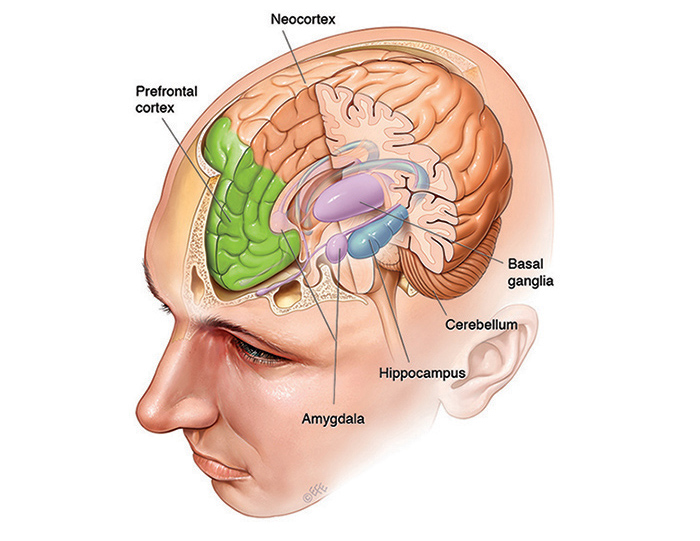
First of all, “Memories aren’t stored in just one part of the brain. Different types are stored across different, interconnected brain regions. For explicit memories – which are about events that happened to you (episodic), as well as general facts and information (semantic) – there are three important areas of the brain: the hippocampus, the neocortex and the amygdala. Implicit memories, such as motor memories, rely on the basal ganglia and cerebellum. Short-term working memory relies most heavily on the prefrontal cortex.”


The researchers found that “remembering entails neural time travel, replaying patterns that were previously established in the brain.” In other words, when something happens, it lays down a path from the senses to the cortices where the particulars will be stored.

For example, I walk into a bakery and smell a hard ginger snap cookie and fall in love with it. I buy trays of them for years. Then I move away and am gone for years, missing the bakery. Then on an unexpected trip, I go back to the spot – and it’s gone. Depressed and dejected, I’m walking through the mall and I smell a very peculiar, gingery cookie smell – and the memory returns full force of the joy of those cookies and the specific place I first smelled it.

That memory is stored in the cortices; those and many more. As Alzheimer’s progresses, more of the recent memories erode; but the oldest remain. “…long-term memory is not located in just one specific area of the brain. The hippocampus is the catalyst for long-term memory, but the actual memory traces are encoded at various places in the cortex.” Hence, the reason an Alzheimer’s patient remembers all sorts of odd memories.

So, how does the hippocampus catalyze long term memories?

According to wiki: “During the acquisition process, stimuli are committed to the short term memory stage. Then, consolidation is where the hippocampus along with other cortical structures stabilize an object within the long term memory stage, a process strengthening over time and time again, and is a process for from whom a number of theories have arisen to explain to as of why and how it actually works. After encoding, the hippocampus is capable of going through the retrieval process. The retrieval process consists of accessing stored information; this allows learned behaviors to experience conscious depiction and execution. Encoding and retrieval are both affected by neurodegenerative and anxiety disorders and epilepsy.”

OK – now put it all together and then tying that how the Stanford study is hinting at:

Things happen to people; some stuff just slides over us (like how many times I breathed while doing this post); some things happen fairly often, that they only make a vague impression (like what I had for lunch last Thursday); other things we will never forget (the day my dad died after a long, long decline). Why is that?

The memories are always stored in the brain, but you have to THINK about the memory in order to strengthen that memory. The more you think it, the more you remember it.

Alzheimer’s comes in and starts to eliminate recent and vague memories. It ALSO messes with the storage of new memories.

The Sanford study found that the more we go over our memories, the better they will withstand both the aging process and Alzheimer’s memory erosive progress, it may also defend against the disease itself gaining a foothold in the brain.

Many people live life “in the moment” and experience as much as they can with gusto, then move on to the NEXT intense experience. Certain religions suggest that we “be present in the now” and not worry about the future OR THE PAST.

Stanford University’s study MAY be suggesting that a life lived in reflection rather than in thoughtless indulgence may help us remember our lives...if or when Alzheimer’s strikes.