Showing posts with label Translating the Doctors. Show all posts

Sunday, May 8, 2022

GUY’S GOTTA TALK ABOUT BREAST CANCER #49…Almost the Day For the Explant

From the first moment my wife discovered she had breast cancer, there was a deafening silence from the men I know. Even ones whose wives, mothers or girlfriends had breast cancer seemed to have received a gag order from some Central Cancer Command and did little more than mumble about the experience. Not one to shut up for any known reason, I started this blog…


So, tomorrow, we report to the hospital for the explant surgery, aka implant removal surgery.

My heart still skips a beat, not because I’m ACTUALLY afraid, rather because of a vague sense of anxiety for the future.

After the original mastectomy, which was essentially an emergency once the breast cancer diagnosis was verified – medical care was reduced to countless visits to hospitals and clinics for pre-op, post-op, then chemotherapy consults, followed by weeks of chemo administered at a clinic across town, then the OTHER clinic visits for Neulasta to control what the chemo did to the did to my wife’s immune system, followed by more pre-sessions…

Two years later, we did another round because the breast cancer appeared to be gone…then my wife jammed her finger against a wall, a doctor said, “Don’t worry.” And then she had full scale lymphedema (which at the time wasn’t considered the business of the breast cancer community on any level, and was “just bad luck, oh well, thank you very much for your concern, *slam!*”).

And so today, after a revolution within the breast cancer community declared that lymphedema was real, but there was no cure for it and very little help…we’ve just learned to deal with it and learned to navigate the things we need to do.

Then the breast implant surgery, followed by ten years of pain…and now here we are. To say that the past eleven years have been a roller coaster begs me to point out that it was an amusement park roller coaster – it was a roller coaster IN AGONIZINGLY SLOW MOTION.

Tomorrow morning, we hope to enter the absolutely final step of this expedition Explant Surgery. What is Explant Surgery? “Explant Surgery and En Bloc Capsulectomy/Implant removal (or explant surgery) is an option for patients who are having problems with their breast implants, or who now simply prefer to be implant-free.

“The procedure removes the implant, usually along with part or all of the surrounding scar capsule. ‘En bloc’ capsulectomy involves removal of the implant and [scar tissue] capsule as one specimen... When performed alone, explant surgery is usually an outpatient procedure. The incision used to remove the implant is usually based on the patient's prior surgical history. The amount of capsule that needs to be removed in conjunction with explant surgery is [also] influenced by several factors (…diagnosis, surgical plan, patient preferences, etc), and is determined on a case-by-case basis.)”

As well, because there were two methods of doing the implant surgery – either UNDER the chest muscle or ON TO OF the chest muscle – hers will be removal from under the muscles. That requires the repair of the chest muscles and necessitates two weeks of extremely restricted movement, followed by two more weeks of limited lifting.

Two weeks from today, I’ll have more to say. As for now, “anticipatory stress” is all I have to deal with. And my wife is doing very well – she’s been baking, cleaning, preparing for the month of inaction, so she’s got things in a good perspective.

I’ll let you know more later!

Resource: https://www.bustle.com/wellness/explant-surgery-breast-implant-removal-experts, https://www.breastimplantcancer.org/treatment/#:~:text=What%20Is%20an%20Explant%3F,response%20to%20a%20foreign%20object.
Image: http://wrex.images.worldnow.com/images/23784252_SA.jpg

Sunday, April 24, 2022

GUY’S GOTTA TALK ABOUT BREAST CANCER #48: END OF AN ERA – Removing the Implants…

From the first moment my wife discovered she had breast cancer, there was a deafening silence from the men I know. Even ones whose wives, mothers or girlfriends had breast cancer seemed to have received a gag order from some Central Cancer Command and did little more than mumble about the experience. Not one to shut up for any known reason, I started this blog…


Yesterday, my wife went in for a consultation to – after nearly 10 years with discomfort that began almost immediately – remove the breast implants that, along with a platform and removal of several muscles, were the “breast cancer reconstruction”. The removal of breast implants is also called an “explant”.

I did an entire series starting in April of 2013 and if you want to read it, the links are at the end of this essay.

Needless to say, the date of the consultation, originally made two years ago…and then cancelled due to the global COVID-19 pandemic…was met with (for me) incomprehensible trepidation. In other words, deep fear that was truly impossible for me to understand.

My wife had seen the surgeon on a television interview on a local news station, and unlike the male surgeon who performed the initial reconstruction, was a woman. She seemed to be the perfect match for my wife, in that she was also an oncologist. If anything were to go wrong, this is the doctor who would know what to do next.

So yesterday, my wife set off for the long, long delayed consultation, with her oldest and closest friend at her side…because I was sitting with my middle school grandson who had come down with influenza (which was, of course, sweeping through the middle school…which is a surging mass of coughing, sneezing, touching pre-and-mid-adolescents…don’t get me wrong, I really loved my decade as an 8th grade Earth science teacher. I WAS however burned out and gladly advanced to teaching high school…albeit BARELY more civilized ninth graders.)

At any rate, the two coincided and I sat while my wife and her best female friend headed to the clinic. I can’t give you details of what transpired there, but she went in pensive and mostly silent while I was in the car. The biggest concern was if the surgeon would still do the surgery with the threat of lymphedema hanging over her head.

I won’t draw it out, but she texted me 45 minutes later (BARELY enough time for them to get to the clinic, let alone enough time to discuss the explant and make plans!) she was on her way to pick me up from my grandson (who was fast asleep)...

But that’s what happened. The doctor was very matter-of-fact, sympathetic, and authentic. My wife liked her, and they discussed what the expectations are for both the end result and the actual surgery. As might be imagined both the surgery and the recovery are significantly less invasive than the reconstruction was. The explant is standard procedure for any woman with implants, and should take place between 10 to 15 years. (See this link for an article on what, precisely is done: https://breastcancerreaper.blogspot.com/2022/03/related-medical-issues-right-now-6.html)

Recovery will involve the same kinds of adaptations to post-surgery procedures: chest drains, restricted lifting, stretching, reaching, or other day-to-day movements that will have to be approached with caution until healing is complete. They talked about other issues, but one unexpected bonus, was that the doctor gave my wife a contact for getting her compression sleeves covered by our insurance.

So, we wait today for the date of surgery to be assigned – and a few more blog entries on the subject in the future.

THE RECONSTRUCTION ERA Series
Part 1: https://breastcancerreaper.blogspot.com/2013/04/the-reconstruction-era-part-1.html
Part 2: https://breastcancerreaper.blogspot.com/2013/05/the-reconstruction-era-part-2.html
Part 3: https://breastcancerreaper.blogspot.com/2013/06/the-reconstruction-era-part-3.html
Part 4: https://breastcancerreaper.blogspot.com/2013/06/the-reconstruction-era-part-4.html
Part 5: https://breastcancerreaper.blogspot.com/2013/07/the-reconstruction-era-part-5.html
Part 6: https://breastcancerreaper.blogspot.com/2013/09/the-reconstruction-era-part-6.html
Part 7a: https://breastcancerreaper.blogspot.com/2013/10/the-reconstruction-era-part-7a.html
Part 7b: https://breastcancerreaper.blogspot.com/2013/10/the-reconstruction-era-part-7b.html
Part 8: https://breastcancerreaper.blogspot.com/2013/11/the-reconstruction-era-part-8.html
Part 9: https://breastcancerreaper.blogspot.com/2014/01/the-reconstruction-era-part-9.html
Part 10: https://breastcancerreaper.blogspot.com/2014/02/the-reconstruction-era-part-10.html
Part 11: https://breastcancerreaper.blogspot.com/2014/04/the-reconstruction-era-part-11.html
Part 12: https://breastcancerreaper.blogspot.com/2014/05/the-reconstruction-era-part-12.html
Part 13: https://breastcancerreaper.blogspot.com/2014/06/the-reconstruction-era-history-and.html

Image: http://wrex.images.worldnow.com/images/23784252_SA.jpg

Sunday, March 27, 2022

BREAST CANCER RESEARCH RIGHT NOW! #82: Radical increase in the effectiveness of breast cancer immunotherapy!

From the first moment my wife discovered she had breast cancer, there was a deafening silence from the men I know. Even ones whose wives, mothers or girlfriends had breast cancer seemed to have received a gag order from some Central Cancer Command and did little more than mumble about the experience. Not one to shut up for any known reason, I started this blog…

Every month, I’ll be highlighting breast cancer research that is going on RIGHT NOW! Harvested from different websites, journals and podcasts, I’ll translate them into understandable English and share them with you. Today: How a new treatment might make triple-negative breast cancer cells vulnerable to immune therapy.


First of all, what IS immunotherapy? “Cancer immunotherapy is a form of cancer treatment that uses the power of the body’s own immune system to prevent, control, and eliminate cancer.”

The immune system of your body is what fights against infections. There are a bunch of cells in it that fight against infections. White blood cells (aka wbc’s) are the ones you usually hear about. If you are sick, a doctor may order a white cell count. When there are high numbers, then you have some sort of infections. The main organs of the immune system is called the lymph system. There’s NO lymph “heart”, instead, you just moving around pushes the lymph around her bodies.

The nodes and cells in the lymph system are full of different kinds of “immunoglobulin”, which is abbreviated “Ig”. There are a WHOLE BUNCH of kinds of Ig that are labeled just by a letter of the alphabet. Each kind does something different. For example, IgG is the major immunoglobulin class in the body and is found in the blood stream and in body tissues, like muscles, heart, brain, and many other places – including the breasts.

So, the immunoglobulins recognize a virus or germ as foreign, attaches to it and sets off a chain of events that bring together many other parts of the immune system that then work together to destroy the germ.

The wbc’s that help the immunoglobulins are gathered in what are called “lymph nodes”. You find them alongside all of your joints, especially in your neck “I have swollen glands! I must be sick!), armpits, and groin – but also your inside elbow and knee joints, wrists, and ankles. That’s because that’s where you move and that pushes the lymph around your body.

Anyone who has had breast cancer surgery that has progressed to Stage 2 or higher, may have had lymph nodes surgically removed.

All right, now you’re up to speed.

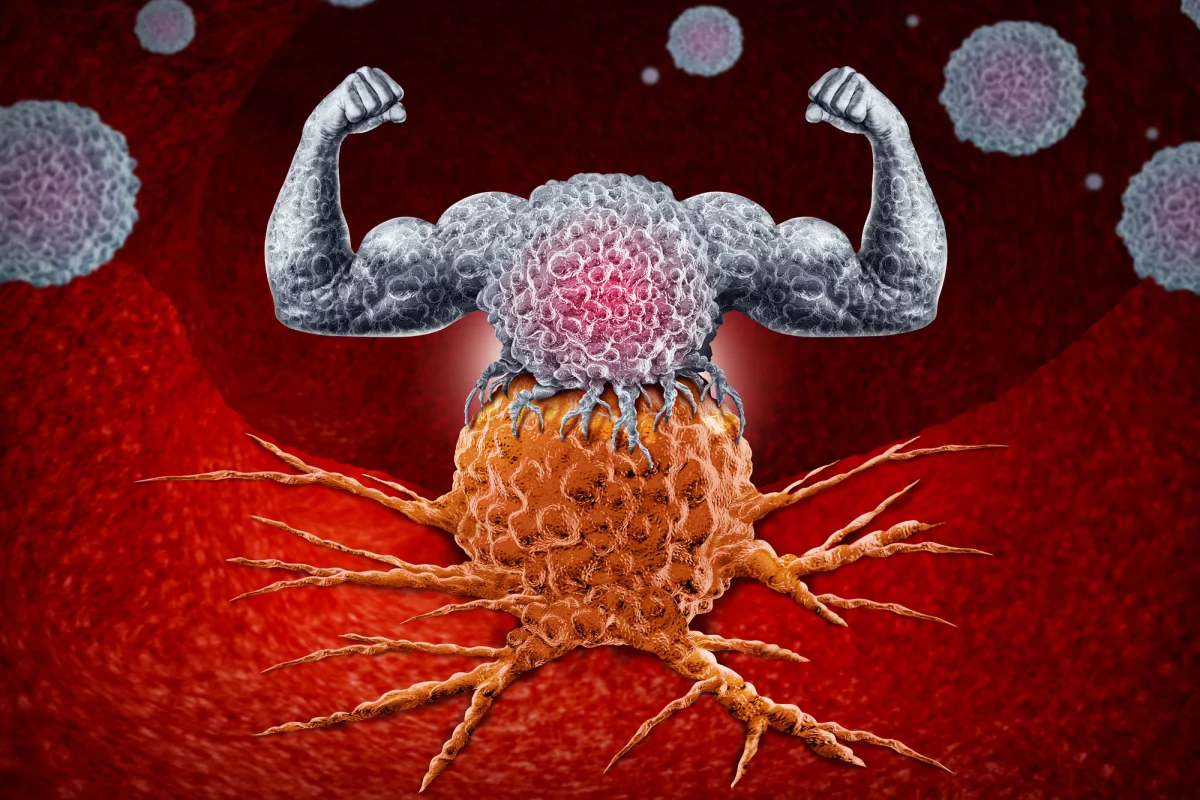
The most aggressive types of tumors are what cause “triple-negative breast cancer”. The worst part about this kind of BC is that even though only 15% of cases are triple-negative, it’s one of the most rapidly growing and it affects younger patients. The problem has been all along, that breast cancer (and ANY kind of cancer) cells “hide” from the immune systems by messing with the outside of the cancer cells. In this work, researchers found that tumor stem cells are the main cause of immunotherapy resistance and THAT’S because these cells are invisible to the immune system, making immunotherapy ineffective.

Their “cloaking device” is a chemical called the LCOR factor. The cancer cell doesn’t produce enough of the LCOR factor for the immunoglobulins and the other lymph system cells to SEE them. And if they can’t SEE them, then there’s no way to kill something that’s in stealth mode because our chemotherapy can’t see cancer cells to kill them.

If our own, natural immune system can’t see them, then the chemotherapy drugs can’t see them to kill them, either.

While this isn’t a TREATMENT yet, the researchers, inspired by the technology used in the design of the vaccines that are taming COVID-19 are using a similar strategy to transport and deliver LCOR genes into tumor cells, in super tiny bag-like structures. These bags carry this LCOR gene as a message to the cell (the “message is called RNA). The cell takes the information and were shown to do so successfully. Once it gets into the cell, it triggers the RIGHT function, the cancer cell makes “too much” LCOR, and stands out like a neon green spray-painted beach ball – and the immunoglobulins and all the other germ-death cells attack. This would be one of the many treatments for preventing, managing, or treating different cancers and it would probably be used along with surgery, chemotherapy, radiation, or targeted therapies to improve their effectiveness.

Remember, this isn’t a TREATMENT…yet…but it IS a promise!

Resources: https://www.sciencedaily.com/releases/2022/03/220317120351.htm, https://www.cancerresearch.org/immunotherapy/what-is-immunotherapy?gclid=Cj0KCQjw0PWRBhDKARIsAPKHFGilSbHi2YI7CCJCwCqQDo4GvpK3WdPGtEAUBtR9n8wbY-hABOUPFvYaAuOpEALw_wcB, https://primaryimmune.org/immune-system-and-primary-immunodeficiency#:~:text=The%20cells%20of%20the%20immune%20system%20can%20be%20categorized%20as,%2C%20antibodies%2C%20and%20complement%20proteins.
Image: https://assets.newatlas.com/dims4/default/bdbf594/2147483647/strip/true/crop/2000x1333+0+0/resize/1200x800!/format/webp/quality/90/?url=http%3A%2F%2Fnewatlas-brightspot.s3.amazonaws.com%2F39%2Ff0%2Fdf48dd224c8789e14f0b9adcd858%2Fdepositphotos-321601022-l-2015.jpg


Sunday, February 6, 2022

RELATED MEDICAL ISSUES RIGHT NOW! #6: Lepidic Growth Adenocarcinoma – A Cancer I’ve Never Heard Of…

From the first moment my wife discovered she had breast cancer, there was a deafening silence from the men I know. Even ones whose wives, mothers or girlfriends had breast cancer seemed to have received a gag order from some Central Cancer Command and did little more than mumble about the experience. Not one to shut up for any known reason, I started this blog…

From the first moment I discovered my dad had been diagnosed with Alzheimer’s, it seemed like I was alone in this ugly place. Even ones who had loved ones suffering in this way; even though people TALKED about the disease, it felt for me like they did little more than mumble about the experience. Not one to shut up for any known reason, I added a section to this blog…

The immediate crisis that was Breast Cancer and Alzheimer’s have passed. There are, however ancillary issues like testing and treatments that may not be directly related to BC or A but intersect with them. Harvested from different websites, journals and podcasts, I’ll translate them into understandable English and share them with you. Today: A cancer I’ve never heard of…


“Lepidic growth adenocarcinoma is defined as tumor cells proliferating along the surface of intact alveolar walls without stromal or vascular invasion pathologically (1). The traditional viewpoint has been that of Noguchi, who demonstrated that localized bronchioloalveolar carcinoma (LBAC) showed replacement growth of alveolar-lining epithelial cells with a relatively thin stroma, that LBAC with foci of structural collapse of alveoli were in situ peripheral adenocarcinoma, and that lung cancer patients with these LABCs achieved 100% survival after lobectomy.”

OK – so first of all, I know it’s a form of lung cancer.

I’ve looked at breast cancer that has metastasized to the lungs here: https://breastcancerreaper.blogspot.com/2018/12/encore-100-metastatic-breast-cancer.html. NOT the same thing, but it’s going to give me a foundation on which to build.

“Nearly 40% of lung cancers are adenocarcinomas, which usually originate in peripheral lung tissue. Most cases of adenocarcinoma are associated with smoking; however, among people who have smoked fewer than 100 cigarettes in their lifetimes ("never-smokers"), adenocarcinoma is the most common form of lung cancer. A subtype of adenocarcinoma, the bronchioloalveolar carcinoma, is more common in female never-smokers, and may have a better long-term survival. This cancer usually is seen peripherally in the lungs, as opposed to small cell lung cancer and squamous cell lung cancer, which both tend to be more centrally located.”

“Adenocarcinomas In-Situ lesions are classified as small tumors <3 cm with abnormal type II pneumocyte cell growth that is limited to the alveolar spaces i.e. without invasion into the stroma, pleura, or vasculature. This type of growth is termed ‘lepidic’ and is characteristic of adenocarcinoma of the lung in its earliest stages.”


OK – so here’s what I now understand. The word itself – adenocarcinoma, is derived from adeno-, meaning ‘pertaining to a gland’, and carcinoma, which describes a cancer that has developed in the epithelial cells.” This cancer grows INSIDE the tiny sacs in the lungs called the “alveoli”. Like all cancers, this is about cells growing out of control rather in their normal, programmed way. Instead of doing their job of replacing worn cells in the alveoli, they begin to grow out of control, creating areas of this wild cell growth called lesions.

The word “lepidic” means creating scales or a scaly covering. “The number of alveoli and alveolar sacs are what give your lungs a spongy consistency. Now remember that the alveoli are TINY! Each alveolus is about 0.2 millimeters in diameter (about 0.008 inches). [Comparison: the period at the end of a sentence is 1 and a half mm across; an alveoli is less than half of that across. There are about 600 million alveoli in your lungs and if you stretched them out, they would cover an entire tennis court.]

Each alveolus is cup-shaped with very thin walls. When you take a breath, each alveoli with expand into a little balloon, and when you exhale, they deflate – sort of like a deflated basketball (when it forms a sort of bowl). The “scales” look make it hard for the “balloon” to inflate.

So, to freely interpret: these cancer cells, instead of being flexible balloon-like sacs in your lungs are thicker and don’t’ stretch – which means the alveoli can’t expand. If they don’t expand, they can take in CO2; and they can’t get rid of it, so you feel short-of-breath…which is one of the symptoms of any kind of lung cancer.

The GOOD thing here is that, they believe they caught it early and that (as of the email) it’s only in one lung. Based on that and a generic reading on the internet: “Relative survival rates for non-small-cell lung cancer (NSCLC): Almost 90% of lung cancers are this type. The National Cancer Institute’s database breaks down the cancers by how far the tumors have spread. These relative survival rates are the average percentages of people who are alive 5 years after diagnosis. Localized (cancer is confined to one lung): 60%.” I’m sure I’ll hear more details as time goes on; and I’ll be able to pray over the cancer more specifically.

Until then, I’ll be praying based on my research.

Resources: https://www.ncbi.nlm.nih.gov/pmc/articles/PMC5059295/#:~:text=Lepidic%20growth%20adenocarcinoma%20is%20defined,that%20of%20Noguchi%20et%20al., https://en.wikipedia.org/wiki/Adenocarcinoma, https://www.drugtargetreview.com/news/64834/proteomic-map-of-human-lung-adenocarcinoma-revealed/, https://kidshealth.org/en/kids/lungs.html#:~:text=At%20the%20end%20of%20each,cover%20an%20entire%20tennis%20court.
Image: https://encrypted-tbn0.gstatic.com/images?q=tbn:ANd9GcQWFDJVgpz0G9kdb-eRXgRxMiv-Qz-Moaiw9w&usqp=CAU

Sunday, May 30, 2021

RELATED MEDICAL ISSUES RIGHT NOW! #2: Osteoporosis And YOU! (What???)

From the first moment my wife discovered she had breast cancer, there was a deafening silence from the men I know. Even ones whose wives, mothers or girlfriends had breast cancer seemed to have received a gag order from some Central Cancer Command and did little more than mumble about the experience. Not one to shut up for any known reason, I started this blog…
From the first moment I discovered my dad had been diagnosed with Alzheimer’s, it seemed like I was alone in this ugly place. Even ones who had loved ones suffering in this way; even though people TALKED about the disease, it felt for me like they did little more than mumble about the experience. Not one to shut up for any known reason, I added a section to this blog…

The immediate crisis that was Breast Cancer and Alzheimer’s have passed. There are, however ancillary issues like testing and treatments that may not be directly related to BC or A but intersect with them. Harvested from different websites, journals and podcasts, I’ll translate them into understandable English and share them with you. Today: Osteoporosis!


My wife recently had a DEXA Scan (DEXA is an acronym for a truly incomprehensible medical procedure: Dual Energy X-ray Absorptiometry.), though the author of the article, who is a retired med tech, notes, “a mouthful of a term that actually tells a lot about this procedure”…I would argue that it doesn’t mean ANYTHING to a normal person!

So let’s break it down. First of all, it’s a special kind of x-ray. OK, that’s pretty easy. X-rays are something we all understand (I marvel that it’s no longer necessary to “develop the film”. It all pops up on a computer screen now, pretty much instantly!)

“As the scanning arm is moved slowly over your body, a narrow beam of low-dose X-rays will be passed through the part of your body being examined. This will usually be your hip and lower spine to check for weak bones (also called osteoporosis)”.

The doctor looks at the how thick (which is (mostly) what “density” is) and she makes a determination based on what’s normal and what’s not.

There are two scores they give you, the T-score and the Z-score. I'll stick with the more understandable T-score!

The T-score compares your bone density to the BEST bone density for your gender. [For the mathematically inclined: “It is reported as the number of standard deviations below the average, which is based on the bone density of a healthy 30-year-old adult.”] If it’s more than -1 your bone density is normal. Between -1 to -2.5 shows something called “osteopenia” means it’s less dense than it SHOULD be, but not disaster yet. You are at some risk of developing osteoporosis. But if it’s less than -2.5 (-2.7, -3.0, -3.2, etc.) that generally means osteoporosis.

What’s osteoporosis? Simple: It’s the weakening of bones in the body. It is caused by lack of calcium deposited in the bones. That means that when you DO smack a bone and you have osteoporosis, the bone’s more likely to break – rather than just getting a bone bruise.

What can you do if you have osteopenia (pre-osteoporosis) or actual osteoporosis? Well, listen to your doctor for one! But what about BEFORE the emergency?

Include plenty of calcium in your diet.
Good sources of calcium include dairy products, almonds, broccoli, kale, canned salmon with bones, sardines and soy products, such as tofu. If you find it difficult to get enough calcium from your diet, ask your doctor about supplements.

Pay attention to vitamin D.
Your body needs vitamin D to absorb calcium. Good sources of vitamin D are salmon, trout, whitefish and tuna. Also, mushrooms, eggs and fortified foods, such as milk and cereals, are good sources of vitamin D. Plain old being out in the sun also contributes to the body's production of vitamin D.

Include physical activity in your daily routine.
(Isn’t it WEIRD how doing exercise can help you feel better and live longer?) Weight-bearing exercises, such as walking, jogging, and climbing stairs, can help you build strong bones and slow bone loss.

Avoid substance abuse.
Don't smoke. Woman should avoid drinking more than one alcoholic beverage a day. Men? No more than two alcoholic drinks a day.

There’s stuff you can do before an emergency. And if you’ve hit the panic button? The same things are helpful, PLUS doing what the doc says!

Resources: https://www.verywellhealth.com/what-is-a-dexa-scan-190167, https://www.mayoclinic.org/healthy-lifestyle/adult-health/in-depth/bone-health/art-20045060
Image: https://encrypted-tbn0.gstatic.com/images?q=tbn:ANd9GcQWFDJVgpz0G9kdb-eRXgRxMiv-Qz-Moaiw9w&usqp=CAU

Saturday, May 12, 2018

BREAST CANCER RESEARCH RIGHT NOW! #61: Breast Cancer Cells Power Themselves Differently Than Regular Cells – and There May Be A Way To TURN THEM OFF!


From the first moment my wife discovered she had breast cancer, there was a deafening silence from the men I know. Even ones whose wives, mothers or girlfriends had breast cancer seemed to have received a gag order from some Central Cancer Command and did little more than mumble about the experience. Not one to shut up for any known reason, I started this blog…

Every month, I’ll be highlighting breast cancer research that is going on RIGHT NOW! Harvested from different websites, journals and podcasts, I’ll translate them into understandable English and share them with you.

There are lots of kinds of sugar – lactose is one of them (as in, “Leonard Hofstadter is lactose intolerant.”) Another kind of sugar is sucrose – that’s the kind that clings to Apple Jacks. The third type most people recognize is glucose, most often when paired with another word, as in “blood glucose”.

OK – we got that. Sucrose, when we eat a bowlful of Chocolate Frosted Sugar Bombs (Calvin and Hobbes), is broken down in the body into glucose and fructose – another sugar some people are familiar with, also known as “fruit sugar” by enzymes whose purpose is to snap the bonds to make sugars the body can use.

Usually, a cell will take the glucose that is moved around the body through the bloodstream, pull it inside itself and let the super tiny organs (the science word is “organelles”) that are the powerhouse of the cell (aka “mitochondria”) break it down even farther so that the cell can use the energy to grow, divide, and stay healthy.

Cancer cells do that to some extent, but scientists have long known that cancer cells FERMENT sugar for energy. Most of us know what fermenting sugar does: it makes alcohol. The cancer cell takes that product, breaks it down further. One of the proteins – an enzyme, actually – that causes a cancer cell to ferment glucose instead of sending it to the mitochondria is called SRC-3. It's this enzyme that can turn on the genes in a cell and set it on its way to becoming a cancer.

Fermentation doesn’t make as much energy as the mitochondria can, but according to researchers, when the cell ferments glucose instead of metabolizing it in the mitochondria, they discovered than an enzyme (SRC-3) “which is overproduced in most cancer cells…transforms [another molecule that] can turn on genes involved in abnormal growth, invasion, metastasis and resistance to anti-cancer drugs. If cancer cells modify [a different molecule by adding a chemical group, the molecule] becomes hyperactive, a hallmark of many tumors.”

While the discovery and discussion is far from being a treatment, the study group found that if they interfere with either molecule, they can stop the cancer cell cold and prevent breast cancer that has been cured from returning or breaking out and growing somewhere else in the body (metastasizing). So don't ask your doctor for the "sugar treatment" next week -- BUT there are some good signs that this might be a new way to treat metastasis.

I’ll be watching for more news as time goes on!


Saturday, January 6, 2018

GUY’S GOTTA TALK ABOUT…Alzheimer’s #13 – Research Into Diabetes Leads To Possible Treatment for Alzheimer’s!

Dad’s diagnosis of Alzheimer’s stayed hidden from everyone until I took over the medical administration of my parents in 2015. Once I found out, there was a deafening silence from most of the people I know even though virtually all of them would add, “My _____ had Alzheimer’s…” But there was little help, little beyond people sadly shaking heads. Or horror stories. Lots of those. Even the ones who knew about the disease seemed to have received a gag order from some Central Alzheimer’s Command and did little more than mumble about the experience. Not one to shut up for any known reason, I started this part of my blog…

I’ll also be trying to keep up with current research in Alzheimer’s treatments as well as research into understanding exactly what the diseases does…and I’ll be looking HARD for research on Alzheimer’s prevention – as that one has some real importance for me and my siblings.

Today, I’ve found some hopeful research on “curing” the disease. Mind you, it’s ONLY in the mouse-testing phase, but given the number of people suffering from it, it would seem to me that finding a way to prevent Alzheimer’s from occurring in the first place would be high on SOMEONE’S research list.

Here’s the actual, untranslated abstract (sort of like the summaries we had to do in middle school about the books we read):

“Type 2 diabetes mellitus (T2DM) is a risk factor for Alzheimer disease (AD). Previous studies have shown that the incretin hormones glucagon-like peptide-1 (GLP-1) and glucose-dependent insulinotropic polypeptide (GIP) that have anti-diabetic properties show very promising effects in animal models of AD. Glucagon (Gcg) is a hormone and growth-factor, and the Gcg receptor is expressed in the brain. Here we test the effects of a triple receptor agonist (TA), which activates GLP-1, GIP and glucagon receptors at the same time. In the present study, the effects of the TA were evaluated in the APP/PS1 transgenic mouse model of AD. The TA was injected once-daily (10 nmol/kg i.p.) for two months. The results showed that treatment with TA significantly reversed the memory deficit in the APP/PS1 mice in a spatial water maze test. Moreover, the drug reduced levels of the mitochondrial pro-apoptotic signaling molecule BAX, increased the anti-apoptotic signaling molecule Bcl-2 and enhanced the levels of BDNF, a key growth factor that protects synaptic function. Levels of synaptophysin were enhanced, demonstrating protection from synaptic loss that is observed in AD. Neurogenesis in the dentate gyrus was furthermore enhanced as shown in the increase of doublecortin positive cells. Furthermore, TA treatment reduced the total amount of β-amyloid, reduced neuroinflammation (activated microglia and astrocytes), and oxidative stress in the cortex and hippocampus. Thus, these findings show that novel TAs are a promising lead for the design of future treatment strategies in AD.”

Like I used to do for my wife’s breast cancer diagnosis and treatments, I’m going to make an attempt to translate this. [To lend a little bit of credibility: I have a BS in Biology and an MS in School Counseling. I have been a science geek since I was a teenager, I love language, and I read and understand technical papers in both fields. Science is full of jargon – but all jargon is, is an attempt to communicate something as precisely as possible. You can probably find someone else to translate for you, but they’d need more schooling than I’ve had…]

The abstract begins by saying that people who are Type 2 diabetic (This means that they started having insulin problems AFTER adolescence. Type 1 diabetics were called “juvenile onset” at one time) have a higher risk of getting Alzheimer’s. It’s not a guarantee (and my dad wasn’t diabetic), but there’s an increased risk there.

The researchers made a “cocktail” of three different hormones that would lock into the brain

Research has shown that two hormones that prevent people from becoming diabetic, ALSO appears to protect people from developing Alzheimer’s. In the abstract, they name the hormones, then abbreviate them, then continue to use LOTS of abbreviations (for example, AD = Alzheimer’s Disease).

One of the hormones contributes to growth in the human body. When the hormone travels to the brain, there is a SPECIFIC site that it can hook into that is there; the hormone can then signal the brain to grow more nerve cells that connect you to your memories. The other two are the ones that protect the body from becoming diabetic.

The researchers injected a mixture of the hormone and diabetes protectors into mice every day for two months. At the end of that period, a NUMBER of really good things had happened!

First of all, the treatment reversed memory loss! Moreover, the drug reduced the molecule that makes a brain cell commit suicide and increased the amounts of molecules that both stop the brain cell suicide and created TWO chemicals that stimulates growth and a chemical that protects the nerves from attack by the molecule that starts the cell-suicide process.  It also acts on a part of the brain called the “hippocampus” (I know, sounds like a place where zoo animals go to school). It causes the growth of new nerves in a place called the “dentate gyrus” (NOT someone who meditates on dentures), a place the guides the “formation of new episodic memories, the spontaneous exploration of novel environments, and other functions.” The injections reduced the amount of brain plaque that has become associated with Alzheimer’s, and finally made the swelling in the lining of the nerves go down.

All-in-all, the research delivered a lot of what researchers are looking for. HOWEVER – this is at the “injecting mice stage”. It’s a long, long way away from the “Hey, Doc! Can I get me a set of those daily injections so I can get my memory back?” In other words, this research won’t lead to a competitor for PREVAGEN (a miracle drug (ABSOLUTELY NOT BEING SERIOUS HERE!!!). It’s years from being a real, clinical treatment.

Then again, it’s way better than the bad news we’ve been feasting on since the first attempt to deal with the beta-amyloid plaques and Tau protein tangles the first Alzheimer’s drug tried to attack in 1987…three decades ago.

I’m not going to hold my breath. As with any research on finding a cure for any disease or condition, much remains to be seen.


Saturday, May 6, 2017

GUY’S GOTTA TALK ABOUT…Alzheimer’s #7: The Science of Sundowning – Part 1

Dad’s diagnosis of Alzheimer’s stayed hidden from everyone until I took over the medical administration of my parents in 2015. Once I found out, there was a deafening silence from most of the people I know even though virtually all of them would add, “My _____ had Alzheimer’s…” But there was little help, little beyond people sadly shaking heads. Or horror stories. Lots of those. Even the ones who knew about the disease seemed to have received a gag order from some Central Alzheimer’s Command and did little more than mumble about the experience. Not one to shut up for any known reason, I started this part of my blog…

Dad’s sundowning is getting worse.

Last night he called me several times, confused in many ways. Once he insisted he wasn’t at the care facility where he has lived for the past two years. Another time he called asking me about a battery being charged. A third time he called worried about how he’d get to work tonight – and when I asked a bit for details he stumbled about somehow know BOTH that he’d been retired since 1993 and that he needed to get to work. When I wondered what he did there, he said, “Oh, whatever needs to be done.”

The last call was for me to come and get him and take him home – yet when I asked where, he said, “To the place I’m supposed to be.” We talked for some time, until I finally got him to agree that he’d stay there for the night and we’d talk in the morning…

As I often did when exploring my wife’s breast cancer, I pulled up a recent journal article and I’ll interpret what it says, “Neuropsychiatric symptoms (NPSs) are characterized by a marked interindividual variability. Their prevalence and severity change over the course of the disease. Moreover, multiple interacting variables and pathophysiological mechanisms may influence their occurrence and phenotypic expression. These aspects have been frequently hindering the application of standardized clinical and analytic approaches to NPS, as well as the identification of targeted pharmacological interventions.”

In essence, the authors are telling me that there are so many things that go into how an Alzheimer’s patient experiences sundowning, that there IS no standard treatment – because there is no “normal” expression of the disease. Because it’s so highly individualistic, “…the sundown syndrome has so far drawn limited clinical and scientific interest compared to other specific NPS and behavioral disturbances occurring in dementias (e.g., apathy, depression, psychotic symptoms). As a proof, the available data concerning its prevalence (mostly obtained in institutional/residential settings) are scarce and markedly discordant in the literature. Moreover, no randomized controlled trial (RCT) specifically investigating the effectiveness of pharmacological and non-pharmacological strategies in managing this condition among demented patients has been yet conducted. Several aspects may account for this low attention, such as the lack of commonly agreed definitions, the absence of specific screening and assessment tools and the multiplicity of factors that may trigger or affect its occurrence…the sundown syndrome does not appear in the recent fifth revision of the Diagnostic and Statistical Manual of Mental Disorders.”

To be perfectly frank with y’all, because there’s no target for a drug, no doctor or pharmaceutical company is going to pay for research because there’s no pot of gold at the end of Alzheimer’s rainbow. With nothing apparent to show a “dramatic recovery” when a patient gets a shot or pops a pill, no one is going to see if there’s anything to be done.

This attitude toward sundowning also reminds me of the state of education – there’s no clear definition of WHAT education is. There are very vague and woo-woo sounding ones, like this from Wikipedia: “Education is the process of facilitating learning, or the acquisition of knowledge, skills, values, beliefs, and habits….[it] frequently takes place under the guidance of educators, but learners may also educate themselves. Education can take place in formal or informal settings and any experience that has a formative effect on the way one thinks, feels, or acts may be considered educational.” Now if that isn’t vague, contradictory, and completely unhelpful, imagine what it’s like to try to justify what you do to your friends, community, and congressional bodies!

This appears to be that same for sundowning.

I’m going to stop now and continue with this discussion in future Alzheimer’s posts.

Later.


Saturday, March 4, 2017

ENCORE #57! – Bone Density Scan

From the first moment my wife discovered she had breast cancer, there was a deafening silence from the men I know. Even ones whose wives, mothers or girlfriends had breast cancer seemed to have received a gag order from some Central Cancer Command and did little more than mumble about the experience. Not one to shut up for any known reason, I started this blog…That was four years ago – as time passed, people searching for answers stumbled across my blog and checked out what I had to say. The following entry appeared in August of 2014.

The word today is “osteoporosis”.

My wife just had a “bone density scan” done and the doctor said that the indications are that she has the beginning stages of this disease.

So I thought I’d take a step back and do a “translating the doctors” column.

First of all – why does the bone density of a breast cancer patient matter. (I won’t be using the last letter of the alphabet, a question mark or the mathematical symbol for nothing – they have stopped working.) At any rate, bone density matters: “Osteoporosis is a condition in which the bones become less dense and more likely to fracture.”

Sounds simple enough. Factors that figure into the disease are on this site, too. The problem is that: “Women who have had breast cancer treatment may be at increased risk for osteoporosis and fracture for several reasons. First, estrogen has a protective effect on bone, and reduced levels of the hormone trigger bone loss…Studies suggest that chemotherapy also may have a direct negative effect on bone. In addition, the breast cancer itself may stimulate the production of osteoclasts, the cells that break down bone.”

In order to monitor patients during treatment and afterwards, doctors do something called a “bone scan”. What’s THAT mean (question mark)

Here’s a simple explanation of what happens: “The DXA (= Dual-energy X-ray Absorptiometry) machine sends a thin, invisible beam of low-dose x-rays with two distinct energy peaks through the bones being examined. One peak is absorbed mainly by soft tissue and the other by bone. The soft tissue amount can be subtracted from the total and what remains is a patient's bone mineral density…it feature[s a] special software to compute and display the bone density measurements on a computer monitor.”

The question now is does this mean you should panic – and the doctor’s advice is “NO!” While osteoporosis can’t be “cured”, you can take steps to lessen the effects. “Getting enough calcium and vitamin D is essential to building strong, dense bones when you're young and to keeping them strong and healthy as you age.”

And you do that by eating well “…food is the best source of calcium. Dairy products, such as low-fat and non-fat milk, yogurt and cheese are high in calcium. Certain green vegetables and other foods contain calcium in smaller amounts. Some juices, breakfast foods, soymilk, cereals, snacks, breads and bottled water have calcium that has been added. If you drink soymilk or another liquid that is fortified with calcium, be sure to shake the container well as calcium can settle to the bottom.”

In our case, my wife is planning to increase her calcium intake – while she uses the chocolate “calcium chews”, she’ll add in the foods.

So if SHE’S not panicking, no reason for anyone else to panic! Be smart and eat well and take the drugs prescribed. If we end up going that route, I’ll do another post. But for now, this is what we know!


Saturday, January 9, 2016

BREAST CANCER RESEARCH RIGHT NOW! #41: A Return To “Translating The Doctors” – What is Venlafaxine and WHAT’s It Do? (Part 1)


From the first moment my wife discovered she had breast cancer, there was a deafening silence from the men I know. Even ones whose wives, mothers or girlfriends had breast cancer seemed to have received a gag order from some Central Cancer Command and did little more than mumble about the experience. Not one to shut up for any known reason, I started this blog…

Every month, I’ll be highlighting breast cancer research that is going on RIGHT NOW! Harvested from different websites, journals and podcasts, I’ll translate them into understandable English and share them with you. Today: http://www.mayoclinic.org/drugs-supplements/venlafaxine-oral-route/description/drg-20067379

“Venlafaxine is used to treat depression. It is also used to treat general anxiety disorder, social anxiety disorder, and panic disorder.”

It seems logical to me that anyone who has faced a life-threatening, long-term, life-changing, potentially debilitating disease might have something to be depressed about.

As a high school counselor who deals with students who are under regular treatment for depression, I am familiar with the regimen of both diagnosis and treatment of depression. I am also familiar with the stigma of both depression and the treatment of depression.

You would think that since “Major depressive disorder is one of the most common mental disorders in the United States. Each year about 7% of U.S adults experience major depressive disorder” that there would be a general acceptance that it is an issue in this society.

But among breast cancer survivors, “...who had survived at least 2 years after a cancer diagnosis [and] were considered long-term survivors…researchers found that depression was about 14% more common [and] anxiety was about 29% more common in long-term survivors compared to undiagnosed people.”

Breastcancer.org characteristically does NOT recommend drug therapies. It notes: “Research suggests there are several factors that seem to be associated with a greater chance of good emotional health: Having a good support network; being and staying in good physical shape; having an excellent relationship with your doctor, [possibly] aromatherapy, guided imagery, hypnosis, journaling, massage, meditation, yoga, tai chi...”

Yet with depression and anxiety resulting from chemical imbalances in the brain, why does this site (one people constantly refer to), eschew a medical rebalancing of a chemistry traumatized by both invading cells and combative drugs?

This subject is clearly complex and fraught; so I will leave us here for now and return later to continue what may very well be a series of essays on this issue.

Sunday, September 20, 2015

BREAST CANCER RESEARCH RIGHT NOW! : Diabetes = Peripheral Neuropathy; Chemotherapy = Peripheral Neuropathy…What If You Have BOTH?


http://ecx.images-amazon.com/images/I/41S6QJ638WL.jpgFrom the first moment my wife discovered she had breast cancer, there was a deafening silence from the men I know. Even ones whose wives, mothers or girlfriends had breast cancer seemed to have received a gag order from some Central Cancer Command and did little more than mumble about the experience. Not one to shut up for any known reason, I started this blog…

Every month, I’ll be highlighting breast cancer research that is going on RIGHT NOW! Harvested from different websites, journals and podcasts, I’ll translate them into understandable English and share them with you. Today I’ll be referencing a number of different sources – let me state immediately and LOUDLY:

I AM NOT A DOCTOR. I AM READING THE SOURCES I NOTE BELOW AND SUMMARIZING, SOMETIMES CHANGING TECHNICAL TERMS INTO MORE COMMON ENGLISH DEFINITIONS. THIS IS NOT MEANT TO BE A DIAGNOSIS OR TREATMENT BLOG BUT A THOUGHT-PROVOKING ONE.

“Peripheral neuropathy is a set of symptoms caused by damage to the nerves that are away from the brain and spinal cord. These distant nerves are called peripheral nerves. They carry sensations (feeling) to the brain and control the movement of our arms and legs.”

Some of the symptoms of PN are: “pain that might be present all the time or come and go, like shooting or stabbing pain); burning; tingling; loss of feeling; it’s hard to pick up things and you drop things more often; balance problems; trouble with tripping or stumbling while walking; more sensitive to cold, heat, touch, or pressure; shrinking muscles; muscle weakness; trouble swallowing; constipation; trouble passing urine; blood pressure changes; as well as decreased or no reflexes.”

What causes PN?

Diabetes can. Chemotherapy with certain drugs can.

What if you have diabetes AND have been successfully treated for breast cancer?

Over a decade ago, it seems that the treatment was essentially: MORE DRUGS! (http://www.ncbi.nlm.nih.gov/pmc/articles/PMC2430688/)

Doctors today are taking a closer look at dealing with it: “In a recent…analysis…the…prevalence of [neuropathy caused by breast cancer chemotherapy] was 48%. Within the first month of completing chemotherapy, the prevalence of [neuropathy] was 68%; after 6 or more months of completing chemotherapy, the prevalence of [neuropathy] decreased to 30%.”

What’s the solution here?

There isn’t one yet. There are hopeful signs, however: “Clinical trials investigating… acupuncture and massage therapy are under way. A few small trials have investigated the use of Scrambler therapy, a device that provides noninvasive cutaneous electrostimulation, to treat [neuropathy]. The use of topical menthol...is also being investigated...”

That’s breast cancer.

How about diabetic neuropathy treatments?

Quite plainly: “There are currently no curative options for people with diabetic neuropathy; instead the condition is treated through pain relief or blood glucose control to stop the condition getting worse.”

In the same article from which the above quote was taken, there seems to be some hope in using stem cells FROM THE PATIENT THEMSELVES (“Mesenchymal stem cells can be obtained from several sources in the body, including fat tissue, tendons, umbilical cord blood and bone marrow. The most successfully transplanted MSCs have been those from the bone marrow.”)

Currently, doctors treat diabetic neuropathy “...based on three major approaches: intensive glycemic control and risk factor management, treatments based on pathogenetic mechanisms, and symptomatic pain management. Clinical guidelines recommend pain relief...through the use of antidepressants…opioids and topical agents such as capsaicin…[other drugs are listed] [But]...there is a growing need for studies to evaluate the most potent drugs or combinations for the management of [neuropathy] to maximize pain relief and improve quality of life. A number of agents are potential candidates for future use in PDN therapy, including [a sodium ion channel that in humans is encoded by the SCN9A gene]antagonists, calcium channel blockers, NGF antibodies, and angiotensin II type 2 receptor antagonists.”]

So – drugs, drugs, and more drugs...

You DID notice that the treatments for chemotherapy-induced neuropathy and diabetic neuropathy DON’T have anything in common, right?

If you GOOGLE “diabetic neuropathy, chemotherapy-induced neuropathy, treatment”…you get nothing that includes both. With 11 million women in the US with diabetes (https://diabetessisters.org/women-diabetes) and 300,000 dealing with breast cancer in the US alone (http://www.cancer.org/acs/groups/content/@research/documents/document/acspc-042725.pdf), you’d think that someone, somewhere, would link the two and do a teensy bit of research.

Anyone care to join me in politely asking the medical community to “GET ON THE STICK!!!!!”


Saturday, February 14, 2015

GUY’S GOTTA TALK ABOUT...#12 – What The Heck Does “Metastasize” MEAN?


From the first moment my wife discovered she had breast cancer, there was a deafening silence from the men I know. Even ones whose wives, mothers or girlfriends had breast cancer seemed to have received a gag order from some Central Cancer Command and did little more than mumble about the experience. Not one to shut up for any known reason, I started this blog…

We got news a few days ago that a friend of mine with skin cancer may have had a site that it had metastasized to.

With a swelling knee, he went to the doctor. Fearfully, he reported that the clinic was afraid that his cancer had spread. He underwent a full day of blood tests, ultrasounds, and had fluid withdrawn from the area as well.

While the upshot is that his skin cancer HAD NOT SPREAD (hallelujah!), it got me to wondering.

I did a series of articles on metastatic breast cancer a few years ago – two of them are the most read on the blog. My own recent brush with skin cancer has made me very aware of the possibility of my own cancer spreading.

So I did some reading. The type of skin cancer that I had has a microscopically small chance of metastasizing. My friends type does in fact spread.

How EXACTLY does breast cancer, skin cancer, and other kinds of cancer spread? “By metastasizing, dummy!"

“Yeah, yeah, yeah,” I would reply. (I’d also make a smart aleck remark about the Beatles.) “But HOW does it spread? How do cancer cells get from the skin to the knee or from the breast to the bones? Do they just pack up their little twisted chromosomes, wave to their family of twisted cells, and head on our into the Wide World of the body they’ve coopted for their evil intent?”

So, I did my research, starting (and I ONLY start here, I use the primary sources shortly afterward!) with Wikipedia.

Wiki defines metastasis as “the spread of a cancer or disease from one organ or part to another not directly connected with it.”

Hmmm…while that’s simple to understand, it doesn’t bring me any closer to WHAT happens. I don’t understand! Turns out, neither does the medical community, exactly: “Metastasis is a complex series of steps in which cancer cells leave the original tumor site and migrate to other parts of the body via the bloodstream, the lymphatic system, or by direct extension.”

When DOCTORS say the steps to metastatic cancers spreading, it often means that they don’t know exactly what’s happening. Great – that should be the next Great Discovery, “How To Stop The Spread Of Cancer Cells”…

So, here goes.

“Cancer occurs after a one single cell in a tissue is progressively genetically damaged to produce cells with uncontrolled proliferation.” The question I have is WHAT is it that does the genetic damage? With over a hundred different cancers, the list is probably just as long. There ARE things we know of that can damage cells on a genetic level – the ultraviolet rays of sunlight can damage cell genes, switching on the cell to grow uncontrollably. This, naturally, leads to skin cancer.

The chemicals in cigarette smoke (which contains 7000 (!!!) DIFFERENT substances) are mostly harmless. But of those several thousand, seventy are known to damage the genetic components of cells – plus the RADIATION that tobacco plants pick up and concentrate in their leaves. The obvious end result here is lung cancer.

Other chemicals in the environment, as well as carrying a family history of different kinds of cancer also damage cells and create the “runaway effect” that characterizes ANY cancer.

So WHAT happens then?

Cells grow out of control resulting forming a tumor. In the case of my own skin cancer, simple removal of the offending (or affected) area stops the cancer. Monitoring over the rest of my life will be a part of every checkup from now until the day I die. In my wife’s case, chemicals specifically targeted to annihilate breast cancer cells were introduced to her body after the source of the cancer cells – breast tissue – was surgically removed in a double mastectomy. She is now cancer-free, as is the wife of a good friend of mine and one of my colleague teachers. Again, monitoring over the rest of my wife’s life will be a part of every checkup and physical.

The effort to first destroy the SOURCE of the cancer and then destroy those cells wherever they may have “landed” using chemicals, radiation, and physical excision of tissue is how doctors stop the spread of cancer.

But there's LOTS more. I've gone on enough. Next time around, I’ll be delving deeper into this whole concept of METASTASIS...