Saturday, April 13, 2019

ENCORE #107! – The NEXT Five Years – Anastrazole!!! What’s It DO???

From the first moment my wife discovered she had breast cancer, there was a deafening silence from the men I know. Even ones whose wives, mothers or girlfriends had breast cancer seemed to have received a gag order from some Central Cancer Command and did little more than mumble about the experience. Not one to shut up for any known reason, I started this blog…That was four years ago – as time passed, people searching for answers stumbled across my blog and checked out what I had to say. The following entry first appeared in December of 2011.

All right – the mastectomy is done (not OVER, there are still deep emotions attached to that surgery that will never “disappear”). The chemotherapy is done (same thing there: deep emotions and memories that will be carved into my mind forever). While it’s never completely gone, the gut-wrenching worry has passed.

What now?

For the next FIVE years, in addition to some cosmetic surgery, checkups and maintenance, there are more DRUGS. Specific to breast cancer is the one I’ll talk about today: anastrozole (say it, “an-AS-troe-zole”).

Chemically, this is called 2,2'-[5-(1H-1,2,4-triazol-1-ylmethyl)-1,3-phenylene]bis(2-methylpropanenitrile) – it’s the picture you see above.

But what’s it DO?

In a nutshell it slows down the production of estrogen in a human body (BTW – men make estrogen, too, just not as much as women do. Women make testosterone, just not as much as men do).

So?

Estrogen, which at puberty initiates the maturation of a woman, causes among other things, the increased growth of the cells in the breast. This estrogen comes from the ovaries and is a totally normal response to a person growing up. Estrogen levels in the blood increase during every menstrual cycle – which means it stimulates the growth of breast cells.

Estrogen doesn’t just stop affecting the woman after puberty. “…life-long exposure to estrogen…plays an important role in determining breast cancer risk…the number of menstrual cycles a woman has, and hence the length of exposure to estrogen during her lifetime, affects her risk for breast cancer.”

So every time a woman has her period, estrogen travels through the blood. The molecule of estrogen affects cells in the body – but only certain kinds of cells like the ones found in the breast and uterus. These cells have “keyholes” in their walls that are called estrogen receptors. The estrogen and the estrogen receptor hook together to make a single molecule that enters the nucleus of the cell. Once it locks on the cell’s DNA, it directs it to do many things. Among the things it tells the cell to do is GROW.

You know by now that cancer happens when cells grow totally out of control. So every time the breast cells get a message from the estrogen, they grow. Breast cancer is the out-of-control growth of breast cells stimulated by estrogen.

Anastrazole BLOCKS estrogen from giving its message to breast (and other) cells. On the website listed below, the author states: “…the medication is directed at preventing recurrence [of cancer] other than just in  breast tissue….The American Society of Clinical Oncologists stated recently: ‘To lengthen disease-free survival and lower risk for [cancer] recurrence in nearby tissues or distant tissues…’”

So in a single sentence – Anastrazole blocks estrogen from giving its message to cells that like to take up estrogen and start growing wildly.

Image: https://c2.staticflickr.com/6/5527/10893068965_1d328e8f71_b.jpg

Saturday, April 6, 2019

GUY’S GOTTA TALK ABOUT…Breast Cancer #45 ****! Bone Cancer In A Friend, AGAIN


From the first moment my wife discovered she had breast cancer, there was a deafening silence from the men I know. Even ones whose wives, mothers or girlfriends had breast cancer seemed to have received a gag order from some Central Cancer Command and did little more than mumble about the experience. Not one to shut up for any known reason, I started this blog…

I know, I know, RIGHT after I say that there’s nothing else to say, something happens…not with the love of my life, but with a friend of ours.

After she got a “clean bill of health” and the doctors said that the cancer was in remission, they discovered multiple lesions of bone cancer scattered through her body. For a second, I’m going to ENCORE! The post on bone cancer from December 2011:

But just what IS bone cancer and why did she get it?

The cancer, while it can certainly occur by itself, is what is called metastatic breast cancer. It happens when cancer cells from the breast escape into the blood stream or the lymph system and invade MORE new flesh.

Bone cancer is the most common form of metastatic breast cancer (MBC) – 70% of MBCs are of this ilk – the other 30% is made up of brain cancer (10%) and lymph, lung and liver cancer. Let me emphasize here that these cancers are NOT the peculiar type of cancer cells that initiate these diseases in people who have never had breast cancer. These cancers are BREAST CANCER cells that have invaded other organs and therefore are called MBC. The word “metastatic” was used in the 1570s and comes from the Greek metastasis which means "transference, removal, change.” The roots are meta which means “over, across” plus the word histanai which means “to place, cause to stand.” Literally, “to cross over to another place to stand”, the medical use for “shift of disease from one part of the body to another” dates from 1660s in English.

Bone cancer caused by the invasion of breast cancer cells into the bones can first show up as back, bone, or joint pain lasting more than two to three weeks that seems to be getting worse; numbness or weakness in a particular part of the body; a change in bowel or bladder activity, such as problems with incontinence or not being able to urinate or have a bowel movement. This may be a sign that the nerves in your backbone are getting pinched by the cancer.

As well, blood tests can reveal a buildup of calcium or tumor markers (special proteins in the blood) like CEA (carcino-embryonic antigen), CA (cancer antigen) 15-3 or CA 27-29 that suggest the cancer might be in the bones. Calcium build up might also show up in a routine bone scan. These tests are NOT usual and are typically ordered only if the symptoms appear.

Metastatic bone disease (MBD) caused by invading breast cancer often behaves in a “mixed osteolytic (destroys bone cells) and osteoblastic (causes abnormal growth of bone cells) manner”. Bone destroying or bone growing MBD occurs because the different cancer cells give off chemicals that interfere with the naturally occurring cells in the bone and cause bone destruction, new bone formation, or both. MBD weakens the affected bones, people with the disease are prone to fractures. Broken bones caused by MBD are termed "pathological fractures."

The most common treatment options for MBD include radiation and medications to control pain and prevent further spread of the disease, and surgery to stabilize bone that is weak or broken. By killing the cancer cells, radiation relieves pain, stops the tumor from growing and can prevent the bone from breaking. Radiation can also be used to control the cancer after surgery to fix a broken bone.
MBD is a systemic (body-wide) problem and radiation therapy may be use just to lessen symptoms and pain in more advanced cases, or to completely destroy disease in the affected bone.

Different cancers respond differently to radiation. Several types of radiation therapy are available. Local field radiation is the most common type of radiation used to treat MBD in which radiation is directed at the metastatic tumor and the immediate adjacent tissue. Entire bone segments or multiple bones can be targeted by local field radiation, depending upon how many areas are affected by the disease. This usually results in complete pain relief in 50% to 60% of cases and partial relief in more than 80% of cases. How well MBD responds to radiation depends on many things, including cancer type (for example, breast cancer typically responds very well to radiation, while kidney cancer does not), and where the tumor is located.

Pain usually begins to subside in the first 1 to 2 weeks, but maximum relief may take several months. Therefore, pain medication is prescribed throughout the radiation treatment course.

OK, enough textbook talk.

The upshot has to be that while it’s treatable and manageable, it must be demoralizing in the extreme. To have been told “it’s in remission!” and then to hear, “Oops. It’s back…” has to come close to crushing the spirit.

So…I know that I usually stay away from religious stuff, but in this one case, I’m going to ask anyone who reads this to hold this friend of ours up in prayer, or unconditional positive regard, or meditate on this woman’s pain that it might be removed or lessened, send positive energy, hold her in your thoughts, empathically absorb her pain then wring it out of your mind (?) …anything that works for you when you are considering the pain of another.

Thank you.


Saturday, March 30, 2019

ENCORE #106! – Adriamycin!!! What’s It DO???

From the first moment my wife discovered she had breast cancer, there was a deafening silence from the men I know. Even ones whose wives, mothers or girlfriends had breast cancer seemed to have received a gag order from some Central Cancer Command and did little more than mumble about the experience. Not one to shut up for any known reason, I started this blog…That was four years ago – as time passed, people searching for answers stumbled across my blog and checked out what I had to say. The following entry appeared in October of 2011.

Though I talked very briefly some time ago about what the various chemotherapy drugs that my wife was treated with were “for”, I never really went into any kind of detail.

Now that chemo is “over”, I wanted to explore what some of the long-term and lasting effects of the treatment are. Because she reached that time – what with the odd numbing of her upper lip, the incision pains, swollen ankles and dry skin, I’d like to know which of those things is chemo-derived and which ones are not.

So we’ll g0 here next:

Adriamycin is the “second” drug of the cocktail she was force fed through the tubes and into her port every three weeks for six months. At first we called it the “red devil” because it WAS red and delivered in two, brat-thick syringes attached to the port tube. The nurse always came dressed in surgical gown, goggles, gloves and a mask – because getting Adriamycin on your skin could cause BLISTERING. (“And you’re injecting that into my wife because…”

This all came clear after research:

“In the 50s, an Italian research company was trying to find anticancer compounds from germs that live in the ground. They found one that was promising in an area surrounding the Castel del Monte, a 13th century castle. A germ that was related to the common “strep” bug and was bright red worked in trials against certain kinds of cancer tumors. Some French researchers discovered the same kind of compound that the strep germ made, so they combined the name of an ancient tribe that had lived near the castle and the French word for ruby red and came up with the name of the compound: Dauno-rubicin.

They tested it against leukemia (blood cancer) and lymphoma (lymph node cancer) and it worked – but they found that it also damage the heart.

They tried mutating it and they got another, related drug that worked as well, but wasn’t so damaging to the heart. They named this new compound Adriamycin, after the Adriatic Sea. The name was later changed to “doxorubicin” to conform to the established naming habits of the drug and chemical industry.

Adriamycin acts by jamming itself in between pieces of DNA in cancer cells. Any cell needs to make new DNA to make new cells. Adriamycin messes up the work of an enzyme that uncoils DNA so it can copy itself – it forces the DNA to stay open so it can’t close up and start splitting the cell to make new ones. The original cells age, then die, never having made any new baby cancer cells to continue the destruction of a human being.

But Adriamycin is DANGEROUS. Aside from the usual nausea, vomiting, and irregular heartbeats, it can also kill white blood cells (that’s why my wife got a Neulasta shot the day after chemo), as well as causing complete hair loss. “A more mild side effect is discoloration of the urine, which can turn bright red for up to 48 hours after dosing.” (My daughter wrote about this one in her first or second blog post, “Toxic Pee”: http://twenty.o-my-soul.net/?p=24). From a Georgia Tech manual for handling toxic compounds, we find this:

“Doxorubicin (trade name Adriamycin)…is a mutagen, carcinogen, and teratogen, and is highly irritating to the eyes, skin, mucous membranes and upper respiratory tract.  Statistically significant…genetic damage have been reported in hospital pharmacists and nurses exposed to [it].  The toxic effects of doxorubicin may be experienced if swallowed, inhaled, ingested or exposed to the skin.”

Sheesh! No wonder the whole scenario creeped us out!

So besides slaughtering cancer cells, what’s the “rest of the story”? Grave indeed – “the risks of developing cardiac side effects…dramatically increase.” Doxorubicin makes the mitochondria (the place that makes the power to run a cell) in the heart muscles less able to make ATP – which is the energy used to run a cell: less energy, less strength for beating. Also, when Adriamycin reacts with the iron in blood, it can damage the heart cells, causing the fibers that tighten and loosen (making the heart beat) to disappear as well as eating holes in the cell’s jelly-like insides. Also, some patients may have weeping sores on the palms of the hand or soles of the feet, swelling, pain and a rash-like reddening of the skin – sometimes making the skin or hair a different color.

So there you go – a brief but chilling rundown of what THIS drug does to your beloved…

Image: https://c2.staticflickr.com/6/5527/10893068965_1d328e8f71_b.jpg
Saturday, March 23, 2019

BREAST CANCER RESEARCH RIGHT NOW! #65: Ketoprofen and Lymphedema – Something to HELP?


From the first moment my wife discovered she had breast cancer, there was a deafening silence from the men I know. Even ones whose wives, mothers or girlfriends had breast cancer seemed to have received a gag order from some Central Cancer Command and did little more than mumble about the experience. Not one to shut up for any known reason, I started this blog…

Every month, I’ll be highlighting breast cancer research that is going on RIGHT NOW! Harvested from different websites, journals and podcasts, I’ll translate them into understandable English and share them with you. Today: Ketoprofen…

Everyone know what NSAIDS are…right?

Non-Steroidal Anti-Inflammatory Drugs, right?

Ibuprofen? Naproxen?

Aleve? Advil? Motrin?

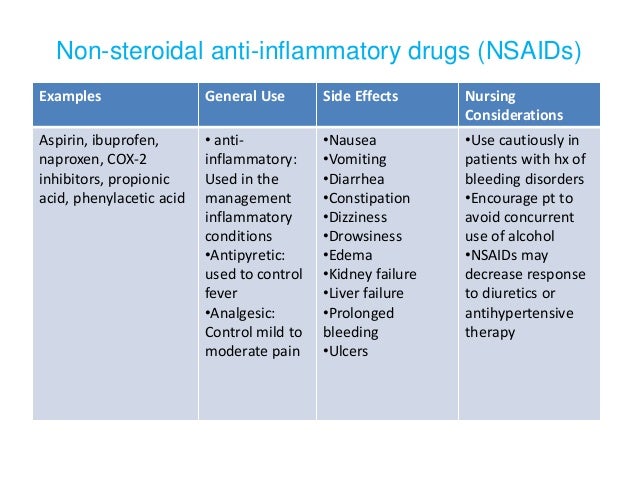
Ah! Now you got it! The family of drugs we call “aspirin” and lump together with the original aspirin, Tylenol, and the ones I just mentioned above are all over-the-counter drugs most of us take when we ache. (Hey! That sounds like a slogan!) This chart pretty much covers all of them: https://image.slidesharecdn.com/rhemutoidarthritis-150806083338-lva1-app6891/95/rhemutoid-arthritis-21-638.jpg?cb=1438850086

At any rate, a research team started wondering about what EXACTLY lymphedema is. There is NO KNOWN CURE for the condition, just “treatments” ranging from wearing compression garments for the rest of your life, to limb massage for the rest of your life.

Oh, and throw in, “If you fly, you HAVE to wear your compression sleeve” (implying that catastrophic consequences result if you don’t. I always had the impression that they were trying to tell you that if you didn’t wear it, you’d swell up like Veruca Salt, who didn’t listen to Willie Wonka, ate the candy…and blew up like a MONSTROUS blueberry!)

Current research however, while they emphasize that it’s not a cure, there may now be an actual treatment that reduces lymphedema swelling.

An initial pair of studies were performed at Stanford University in Californina in 2011 and written up in the American Society for Clinical Investigation in March of 2018. “Because ketoprofen, an NSAID, has been therapeutic in experimental lymphedema, we evaluated its efficacy in humans.”

What they found was that “The ketoprofen recipients demonstrated reduced skin thickness, as well as improved composite measures of histopathology and decreased plasma granulocyte CSF (G-CSF) expression. These 2 exploratory studies together support the utility of targeted anti-inflammatory therapy with ketoprofen in patients with lymphedema. Our results highlight the promise of such approaches to help restore a failing lymphatic circulation.”

So, as I have done in the past, what does all of this mean?

“…demonstrated reduced skin thickness” – one of the problems with lymphedema is that it causes changes in the skin: “…cellulitis may cause the limb to become red, hot, painful and swollen…pitting or non-pitting edema…when a mark is left in the skin by applying pressure from a finger, hand or object…hyperkeratosis is an overgrowth of the skin like a very thick callus…or papillomas…raised wart-like growths…skin can become hardened with a leathery feel. The color of the skin can become darker with a brownish tint.”

Also, “improved composite measures of histopathology and decreased plasma granulocyte CSF (G-CSF) expression.”

What’s it mean? “improved histopathology” is a decrease in the “sickness” of the cells in the limb with lymphedema, as well as a decrease of “…leukocytes [which are the “formed elements” of blood, like red blood cells and platelets] but only the leukocytes can leave the blood stream through the walls of capillaries and venules and enter either connective or lymphoid tissues.”

The leukocytes are “a colorless cells that circulate in the blood and body fluids and are involved in counteracting foreign substances and disease; a white (blood) cell. There are several types, all amoeboid cells with a nucleus, including lymphocytes, granulocytes, monocytes, and macrophages.” In other words, when you get a cut, the leukocytes are there to fight the infection, and it gets red and swollen while they’re doing their work.

It also hurts like Hades.

That’s what these researchers have discovered that is happening in lymphedema – the body responds by sending leukocytes and you get swelling.

Ketoprofens apparently REDUCE the swelling caused by the leukocytes trying their darndest to defeat the infection…while at the same time causing the swelling of the limb identified.

There’s no CURRENT treatment that I can find, but you can count on me keeping an eye out for the use of ketoprofen in the future!


Saturday, March 16, 2019

ENCORE #105! – Cytoxan!!! What’s It DO???


From the first moment my wife discovered she had breast cancer, there was a deafening silence from the men I know. Even ones whose wives, mothers or girlfriends had breast cancer seemed to have received a gag order from some Central Cancer Command and did little more than mumble about the experience. Not one to shut up for any known reason, I started this blog…That was four years ago – as time passed, people searching for answers stumbled across my blog and checked out what I had to say. The following entry first appeared in November of 2011.

Though I talked very briefly some time ago about what the various chemotherapy drugs that my wife was treated with were “for”, I never really went into any kind of detail.

Now that chemo is “over”, I wanted to explore what some of the long-term and lasting effects of the treatment are. Because she reached that time – what with the odd numbing of her upper lip, the incision pains, swollen ankles and dry skin, I’d like to know which of those things is chemo-derived and which ones are not.

So we’ll g0 here next:

Cytoxan is the “third” drug of the cocktail she was force fed through the tubes and into her port every three weeks for six months. “Cytoxan is a cyclophosphamide that has been converted into a non-toxic ‘transport form’. This transport form is a ‘pro-drug’, subsequently actively transported into the cancer cells. Once in the cells, enzymes convert the drug into the active, toxic form that kills the cancer cell.”

Plain English, please!

OK – first stunning surprise is that Cytoxan is a cytotoxic chemotherapy agent similar to mustard gas.

Although used today as anti-cancer drugs, they can theoretically also be used for chemical warfare. Nitrogen mustards add chlorine atoms to the DNA of cancer cells, in effect poisoning the cancer cell.

Mustard gas was stockpiled by several nations during the Second World War, but it was never used in combat. Mustard gas and its related compounds are strong and long-lasting blister agents. Production and use is restricted.

How did we get from WWII mustard gas to anti-breast cancer drugs? During WWII nitrogen mustard gases were studied at Yale University and classified human clinical trials of nitrogen mustards for the treatment of cancer started in December 1942. Also during WWII, an incident during the air raid on Bari, Italy led to the release of mustard gas that affected several hundred soldiers and civilians. Medical examination of the survivors showed a decreased number of white blood cells. After WWII was over, the Bari incident and a Yale study came together prompting a search for other similar compounds. The nitrogen mustard became the first chemotherapy drug mustine.

Many people taking cytoxan do have serious side effects. Side-effects life nausea, vomit, bone marrow suppression, stomach ache, diarrhea, darkening of the skin/nails, hair loss or thinning of hair, changes in color and texture of the hair, and lethargy. Cytoxan can cause cancer, it can lower the body's ability to fight an infection as well as an unusual decrease in the amount of urine, mouth sores, unusual tiredness or weakness, joint pain, easy bruising/bleeding, existing wounds that are slow healing.


Saturday, March 9, 2019

Encouragement (In Suffering, Pain, and Witnessing Both…) #6: And Then There’s Peace…

The older I get, the more suffering and pain I’ve experienced; and the more of both I stand witness to. From my wife’s (and many, many of our friends and coworkers) battle against breast cancer; to my dad’s (and the parents of many of our friends and coworkers) process as he fades away as this complex disease breaks the connections between more and more memories, I have become not only frustrated with suffering, pain, and having to watch both, I have been witness to the suffering and pain among the students I serve as a school counselor. I have become angry and sometimes paralyzed. This is my attempt to lift myself from the occasional stifling grief that darkens my days…

If you skim this blog, you know that my dad died a bit over a month ago of…while not precisely complications of Alzheimer’s, then a series of events precipitated by his Alzheimer’s symptoms.

I guess it’s hard for me to say that Dad “died of Alzheimer’s, because it’s not a “deadly disease” like measles or breast cancer or bubonic plague or influenza. The end result was the same no matter what.

During the years-long experience – I started my Alzheimer’s portion of this blog in September of 2016 – I learned a lot and I felt a lot. I learned the language of Alzheimer’s and how others treated people with Alzheimer’s.

But perhaps the hardest part for me was watching my dad’s personality drain away. At his funeral, people at the gathering repeatedly mentioned that my dad “liked to have a good time”. A few people shared stories and everyone there was able to imagine ANOTHER instance where it was obvious that he enjoyed life and enjoyed enhancing it with sports – both playing and watching, as well as hosting and going to parties. The parties started when he met my mother! That’s a lot of years of parties!

By the time he passed on February 4, 2019, we were lucky if he spoke while we were sitting with him in his apartment for an hour – and this was before he had his stroke. He was often virtually silent when I went to spend short periods of time with him several times a week. He seemed distant, not intentionally, but because he simply seemed to be living in a moment and didn’t see much reason to comment on anything that he’d already commented on over the previous 87 years.

That was hard until I learned to just sit. Just “be” as the Mindfulness people say. When I quit fretting; quit enumerating the things I “had to do”, I started enjoying my time with him more; not because of the sparkling conversation, or physical humor, or streams of jokes (THAT’S how I deal with one of my brothers), but just sitting with him. Sometimes we didn’t talk for the entire time, only occasionally looking at each other, usually with a TV on between us, but sometimes in silence. We never did do music, except for when the recreational director led singing or we went to a concert together in the second floor theater. Then he’d sing and laugh and clap.

When he did pass away, I was at peace with it. Of course I missed him, but I felt as if I’d spent “quality time” with him as we sat in his dimly lit, very warm apartment. It’s hard to understand now, but this period of simply sitting with him came out of an article I commented on here, https://breastcancerreaper.blogspot.com/2018/11/guys-gotta-talk-aboutalzheimers-20-what.html

Dad’s reality was very different from mine. He was sometimes frustrated because, as an active man, he’d rarely stay in one place, let alone sit still. But as Alzheimer’s progressed, he slowed down – not by choice, but because his brain wasn’t functioning at peak efficiency. But slowing down sometimes offers us a chance to see the world from a different perspective; again, he didn’t WANT this, but it was his reality and it was slower than the one he’d spent his first 85 years in. Though it frustrated him, it gave me a glimpse into what it would be like to slow down a bit for myself. I’ve taken to sitting by our fireplace more often now, sometimes even in the morning before I go to work.

He’s at peace now, but I think he imparted a little bit of that peace to me even before he passed away. I’d like to continue to cultivate that sense as I grow older, myself.

Job 5: 23 says, “For you will be in league with the stones of the field, And the beasts of the field will be at peace with you.”

Image: http://www.quoteambition.com/wp-content/uploads/2017/04/encourage-quotes-destiny.jpg

Saturday, March 2, 2019

ENCORE #105! – Taxotere!!!! But What’s it DO?


From the first moment my wife discovered she had breast cancer, there was a deafening silence from the men I know. Even ones whose wives, mothers or girlfriends had breast cancer seemed to have received a gag order from some Central Cancer Command and did little more than mumble about the experience. Not one to shut up for any known reason, I started this blog…That was four years ago – as time passed, people searching for answers stumbled across my blog and checked out what I had to say. The following entry first appeared in October 2011.

Though I talked very briefly some time ago about what the various chemotherapy drugs that my wife was treated with were “for”, I never really went into any kind of detail.

Now that chemo is “over”, I wanted to explore what some of the long-term and lasting effects of the treatment are. Because she reached that time – what with the odd numbing of her upper lip, the incision pains, swollen ankles and dry skin, I’d like to know which of those things is chemo-derived and which ones are not.

So we’ll start here:

Taxotere:  (This is the “brand name” drug, its generic name is docetaxel) anti-mitotic chemotherapy medication (that is, it interferes with cell division). This is the “simple” answer I gave on May 7 (http://breastcancerreaper.blogspot.com/2011/05/bust-drug.html). But what exactly does it do and does it have long-term side-effects and any OTHER impact on the Human body?


“You may have a higher risk of developing certain serious side effects such as low levels of certain types of blood cells, severe mouth sores, severe skin reactions, and death. Docetaxel injection may cause low levels of white blood cells in the blood…fever, chills, sore throat, or other signs of infection…serious or life-threatening fluid retention. Fluid retention does not usually start immediately, and most commonly occurs around the fifth dosing cycle. If you experience any of the following symptoms, call your doctor immediately: swelling of the hands, feet, ankles, or lower legs; weight gain; shortness of breath; chest pain;cough; hiccups; rapid breathing; fainting; lightheadedness; swelling of the stomach area; pale, grayish skin; or pounding heartbeat…nausea, vomiting, diarrhea, constipation, changes in taste, extreme tiredness, muscle, joint, or bone pain, hair loss, nail changes, increased eye tearing, sores in the mouth and throat, redness, dryness, or swelling at the site where the medication was injected, blistering skin, numbness, tingling, or burning sensation in the hands or feet, weakness in the hands and feet, unusual bleeding or bruising, nosebleeds.”

OK – yes to some of those, no to lots of them.

From Wikipedia Taxotere:

“Docetaxel is partly-synthetic copy of Taxol, an extract from the bark of the rare Pacific yew tree. Due to scarcity of the tree, Taxotere was extracted from the common European yew tree.”

“Docetaxel is a white powder and is the active ingredient in Taxotere. The solution is a clear brown-yellow…a single dose contains ethanol, saline, sodium chloride or glucose for administration plus polysorbate 80…vials may be stored for 24 months below 25°C away from light.”

“The cell-killing activity of docetaxel promotes and stabilizes microtubule assembly (microtubules make up the cell structure called a “spindle” – it’s that happens when cells divide. It also prevents microtubule disassembly in the absence of GTP. This leads to a significant decrease in free tubulin, needed for microtubule formation and results in inhibition of mitotic cell division between metaphase and anaphase, preventing further cancer cells from forming. Because microtubules do not disassemble in the presence of docetaxel, they accumulate inside the cell and cause initiation of cell suicide (apoptosis).”

“Docetaxel is a chemotherapy drug and is a cell killing compound and so is effectively a biologically damaging drug...docetaxel is toxic to all dividing cells in the body. This includes tumour cells as well as hair follicles, bone marrow and other germ cells.”


“Long-term effects are side effects or complications of therapy that persist when therapy is completed, requiring patients to develop compensatory treatment programs to relieve or control these side effects…chemotherapy can cause damage to vital organs, such as heart, lungs, kidneys, and the gastrointestinal tract. Older persons over 65 and 70 may have pre-existing heart, lung, kidney, gastrointestinal, or liver problems, which can be accentuated with anti-cancer therapy, as these organs may be more susceptible to side effects from treatment. 
Peripheral neuropathy, for example, pain, numbness, tingling, loss of sensation or heat/cold sensitivity in extremities or body, is often a side effect for patients receiving Taxotere...”


“Melanie Haiken, (Caring.com senior editor) notes: Taxotere (brand name Taxol) has many of the same side effects of other chemo drugs, but some are better than others, some are worse…taxotere caused a lot of bone pain and muscle aches. Some say their arms and legs ache, while others say the pain is worst in the neck, back, and shoulders; neuropathy, or nerve damage, which makes feet and hands feel tingly or numb…The good news is that taxotere seems to cause less nausea for many cancer patients than other chemo drugs, such as the A/C it often follows. Hair loss may also be less of a problem…Side effects are very individual, and they also vary according to dosage.”

So, we’re still on the journey and while I by no means “understand” what’s been going on, others have and there are places to find information.

Keep looking; keep learning!