Saturday, June 1, 2019

ENCORE #110! – Another “HOLD ON THERE BABA LOUIE!” Moment With a 2019 UPDATE!


From the first moment my wife discovered she had breast cancer, there was a deafening silence from the men I know. Even ones whose wives, mothers or girlfriends had breast cancer seemed to have received a gag order from some Central Cancer Command and did little more than mumble about the experience. Not one to shut up for any known reason, I started this blog…That was four years ago – as time passed, people searching for answers stumbled across my blog and checked out what I had to say. The following entry first appeared in May of 2012.

Doctors harp on exercise.

Despite the harping – or in my case, perversely because of it – I avoid exercise like the plague.

Even so, as I read more and more sites promoting the “exercise makes you better if you have breast cancer” meme, I found that almost none of them give any kind of evidence as to WHY exercise fights cancer and promotes healing.

So I dug into the sites and finally found some evidence supporting this wild, “Do this one weird thing…” kind of meme. This week, it’s number:

1)                  Physical activity appears to enhance proliferation of lymphocytes, increases the number of natural killer cells and increases lymphokine-activated killer cells activity.

What’s a “lymphocyte”?

What’s a “natural killer cell”?

What’s “lymphokine-activated killer cell activity”?

To tell you the truth, these appear to fade from easily definable to mumbo-jumbo-ish, so let’s have at it!

But we need to take one more step backward and start with White Blood Cells.

In contrast to the RED blood cell, which are the cells that make up the visible part of the blood. The red blood cells – or rbc’s – are the part of the blood that makes it RED! It’s red because each of the rbc’s has many heme molecules in it. The heme molecules are the ones that carry a tiny iron atom in their center. It’s the iron atom that OXYGEN grabs hold of so that the rbc’s can carry oxygen to the lungs allowing us to BREATHE. There are zillions of these little suckers in your bloodstream at all times and THEY come from the marrow in your bones.

So white blood cells – or wbc’s – don’t have heme in them; therefore they are, by comparison, WHITE. But they still travel in the bloodstream. Instead of carrying oxygen, they attack and destroy any germs that get into your body. They also take care of any other junk that gets in.

Lymphocytes are a kind of wbc. There are three kinds of lymphocytes – natural killer cells, T cells and B cells. Another name for the natural killer cells are NK cells. T cells are the kind of cells that the Human Immunodeficiency Virus (HIV) targets.

NK cells have the specific duty of protecting the body from tumors and viruses by “popping” the cells to destroy them; the other two handle the release of cytokines, lysis and immune regulation and creating antibodies.

The effect of exercise on NK cells however, seems to be blasted out of the water by the study referenced below and quote here: “…latent CMV infection is associated with lowered numbers of NK-cells expressing inhibitory receptors and a blunted mobilization of NK-cells in response to acute exercise. This may indicate a compromised immune response to ‘fight-or-flight’ situations in those infected with CMV.”

Conversely, “Moderate exercise has been reported to produce an anti-inflammatory environment and thus reduce the risk of infection. Conversely, continuous, intense exercise may increase oxidative stress (an overproduction of reactive oxygen species compared to the body’s ability to detoxify), inflammatory responses, as well as the risk for infection.”

And blasting back from the other side: “Longitudinal training studies in previously sedentary people have failed to show marked changes in T and B cell functions provided that blood samples were taken at least 24 h after the last exercise bout.” Also: “Evidence suggests that the prophylactic effect of exercise may, to some extent, be ascribed to the anti-inflammatory effect of regular exercise mediated via a reduction in visceral fat mass and/or by induction of an anti-inflammatory environment with each bout of exercise (e.g. via increases in circulating anti-inflammatory cytokines including interleukin (IL)-1 receptor antagonist and IL-10). To understand the mechanism(s) of the protective, anti-inflammatory effect of exercise fully, we need to focus on the nature of exercise that is most efficient at alleviating the effects of chronic inflammation in disease. The beneficial effects of endurance exercise are well known; however, the anti-inflammatory role of strength training exercises are poorly defined. In addition, the independent contribution of an exercise-induced reduction in visceral fat versus other exercise-induced anti-inflammatory mechanisms needs to be understood better. There is consensus that exercise training protects against some types of cancers. Training also enhances aspects of anti-tumour immunity and reduces inflammatory mediators. However, the evidence linking immunological and inflammatory mechanisms, physical activity, and cancer risk reduction remains tentative.”

Translated: “We don’t know enough yet to say if exercise is magic”.

UPDATE: February 2016: “In Brief, the beneficial effects of exercise are countless. Pedersen et al. now link exercise, cancer, and immunity and reveal that exercise decreases tumor incidence and growth by over 60% across several mouse tumor models through a direct regulation of NK cell mobilization and trafficking in an epinephrine- and IL6-dependent manner.”

So it appears that, four years later, there is strong evidence that exercise isn’t magic, but science! Dang…now where’s my bike helmet?


Saturday, May 25, 2019

GUY’S GOTTA TALK ABOUT…Alzheimer’s #24 – “If I forget where I left my keys, do I have Alzheimer’s?”


Dad’s diagnosis of Alzheimer’s stayed hidden from everyone until I took over the medical administration of my parents in 2015. Once I found out, there was a deafening silence from most of the people I know even though virtually all of them would add, “My _____ had Alzheimer’s…” But there was little help, little beyond people sadly shaking heads. Or horror stories. Lots of those. Even the ones who knew about the disease seemed to have received a gag order from some Central Alzheimer’s Command and did little more than mumble about the experience. Not one to shut up for any known reason, I started this part of my blog…

I know the question above sounds dumb, but…

If you have a parent, or spouse, or partner who has been diagnosed with Alzheimer’s or one of several dementias (Creutzfeldt-Jakob disease, dementia with Lewy bodies, frontotemporal dementia, Parkinson's disease, Huntington's disease, mixed dementia, and normal pressure hydrocephalus, and others as well), you may have started wondered if you were going to get the diagnosis someday, too.

If you haven’t, maybe you’d better START thinking about it. I’m pretty sure Mom and Dad never thought about it, so that when Dad was diagnosed by his doctor, he denied it. Vehemently. Violently. To the point that, honest to God, we thought MOM was crazy. We thought MOM was the one with dementia.

When I took over their medical matters – and managing dentist visits, drug regimens, checkups, and appointments – I found the words clearly written in a 2014 visit. Dad continued to deny it until…well, he continued to deny it until he was in a memory care unit. The only way we got him THERE was because when Mom reached her last days, the care facility they were living in offered hospice care (they offered it in ANY of the units, but we told Dad it was just downstairs). He moved in and ever after that, would talk about living in another room and wanting to go back there.

I out-and-out lied to him, telling him he and Mom had been in the unit from the beginning. Who knows, maybe that made the Alzheimer’s worse; I’ll never know.

There were lots of incidents and issues Dad had leading up to his death, but one of them was continually forgetting where he’d left things. His wallet was absolutely key there. He’d get frantic if he didn’t know where it was. When they lived in a townhouse, once he’d put his wallet in a half-used box of checks which was actually sitting on the ledge in the kitchen. But we searched for two days for that one. By the time he got to the memory care unit, there were only a few places he’d put it (the oddest being in his pillow case…) but there were times when it would “disappear” and I’d search for it until I’d pretty much turned the entire (tiny) apartment upside down. He’d always find it a couple days later. I SWEAR he was hiding it in his underwear!

Let’s come to me (because, you know, in caring for Alzheimer’s patients, even if you’re not actually DOING the care, “It’s all about ME!”). When I can’t remember where I left something or forgot to go to an appointment, or I KNOW I did something, but it’s clearly not been done, I think for a horrifying moment that I’ve finally reached the point where Alzheimer’s is about to claim another victim.

The “logical” me (and there’s a big part of me that IS…I’m a SCIENCE teacher!) knows that simple short term memory lapses are a part of the aging process. As the article referenced below asks: “When does an ordinary memory lapse indicate something more serious, like early Alzheimer’s disease or another form of dementia?”

Here are some things we can watch out for – with the help of spouse, family, friends, and co-workers:

“…forgetfulness and other symptoms may develop over a period of many years.

“Increasingly, research indicates that feeling you are forgetful may be cause for concern. A study conducted by Dr. Reisberg and colleagues found that seniors with subjective memory complaints are, over many years, 4.5 times more likely to develop mild cognitive impairment or dementia than those who do not have such memory complaints. That’s one reason why it’s important to pay attention for signs of being forgetful, and to seek medical attention about early signs of dementia and a possible dementia evaluation and work-up…it helps to consider some key symptoms of mild cognitive impairment and the early stages of dementia.

“Forgetting a friend’s name or not remembering a lunch date is something that most people without dementia do from time to time. Someone with early dementia, though, might repeatedly forget names or plans, and forget all about the incident soon afterward. Curiously, while someone with early dementia may forget something that happened the previous evening, they may recall in detail events that happened in the more distant past, last year, say, or during their childhood.

“At these early stages of dementia, family members, friends and colleagues may begin to notice that something seems wrong…Such situations may, understandably, trigger feelings of anger and defensiveness. They can also produce anxiety, which can in turn make anyone even more forgetful. The anxiety may be particularly pronounced in someone in the early stages of dementia.

“…those in the early stages of dementia may also have problems with judgment and planning. Someone with early dementia might, for example, become distracted in preparing a recipe or forget the rules of a card game…[or]…find it impossible to do everyday chores, like balancing a checkbook, that they used to find easy…Unusual changes in personality can also occur, like showing bursts of anger for no reason…and while many of us plop down on the couch to watch TV after a long day at work, someone with dementia may show little or no initiative in reaching out to friends and stare at the TV for hours or sleep all day.”

So far, I don’t THINK these have been happening to me, but it pays to be aware.  NOT paranoid, but aware, and above all, HONEST. I will NOT reach the point Dad did, denying that there’s any problem…


Saturday, May 18, 2019

ENCORE #109! – *AN UPDATE!!!* on HOLD ON THERE BABA LOUIE!” – Exercise “reduces cytokines in adipose tissue” might be PURE HYPE!


From the first moment my wife discovered she had breast cancer, there was a deafening silence from the men I know. Even ones whose wives, mothers or girlfriends had breast cancer seemed to have received a gag order from some Central Cancer Command and did little more than mumble about the experience. Not one to shut up for any known reason, I started this blog…That was four years ago – as time passed, people searching for answers stumbled across my blog and checked out what I had to say. The following entry first appeared in June of 2012...

And now, the original post PLUS AN UPDATE, seven years later...

Doctors harp on exercise.

Despite the harping – or in my case, perversely because of it – I avoid exercise like the plague.

Even so, as I read more and more sites promoting the “exercise makes you better if you have breast cancer” meme, I found that almost none of them give any kind of evidence as to WHY exercise fights cancer and promotes healing.

So I dug into the sites and finally found some evidence supporting this wild, “Do this one weird thing…” kind of meme. This week, it’s number:


1)                  Increased levels of pro-inflammatory factors and decreased levels of anti-inflammatory factors have been linked with increased cancer risk. Physical activity might reduce systemic inflammation alone or in combination with reduction in body weight or composition through reducing inflammatory cytokines in adipose tissue.

What are pro and anti-inflammatory factors?

Let’s start with CYTOKINES and let me warn you, even researchers are still a bit fuzzy about these molecules, which explains the “might” in the paragraph above. We’ll take this subject as a “details at 11” kind of thing – it’s changing every day, but TODAY and to the best of our knowledge, we can say that we’re pretty sure that cytokines are small molecules that are given off by numerous cells and are used to communicate with each other. Cytokines are a large and diverse family of molecules with many jobs. One thing we are pretty sure they do to control the immune system – that collection of white blood cells and chemicals that spring to work when you’re hurt or sick and the body has to fight off an infection. The line between cytokines and hormones is also pretty blurry but PROBABLY, cytokines come from lots of places and there are only set amounts in the blood – though that amount can leap up during trauma or infection. Hormone levels are steady. Many cells produce cytokines. Most hormones come from specific glands (adrenal, pancreas, etc). Also, while usually specific, some cytokines act like hormones to have an effect on the entire body. Last of all, some cytokines act outside the immune system and affect the development of the human body.

As to breast cancer, at least one cytokine affects both the presence of and severity of breast cancer: “In a study published in the January 15th issue of Cancer Research…researchers showed that activation of the CXCR4 [cytokine] receptors [on the cancer cells] resulted in increased tumor growth and metastasis…and less dependent on estrogen for continued growth…to become metastatic and resistant to endocrine therapy…[in] A second study published in the current issue of Surgery…authors reported that all benign breast tissues had no detectable CXCR4 levels, whereas all 101 breast cancer patients showed at least some level of this cytokine receptor.  Of these breast cancer patients, 79 had low levels of CXCR4 and 22 had high levels of CXCR4.  These high CXCR4 levels were linked with increased breast cancer recurrence and worse chances of survival…overexpression of CXCR4 cytokine receptors is linked to worse breast cancer outcomes…blocking this pathway might become a valuable breast cancer treatment for patients overexpressing this cytokine receptor.”

The big “might” up above has given breast cancer, cytokines and exercise a high level of interest. The third reference below cites a study that, as of my referencing of it, was still recruiting participants.

So – I’m going to label THIS particular aspect of exercise and breast cancer as a big MAYBE, LET’S WAIT AND SEE. So don’t go spreading the word that exercise reduces cytokines and decreases breast cancer.

Nobody knows enough yet to say one way or the other.

Update: Not so fast!

Seven years later, there seems to be some evidence (in mouse research) that exercise can mitigate cytokine effects on cancer. I’ve condensed the abstract of the study referenced below. In essence it says, “Biological aging is associated with progressive damage accumulation, loss of organ reserves, and systemic inflammation…which [may lead to] a wide spectrum of chronic diseases, including several types of cancer. In contrast, aerobic exercise training (AET) reduces inflammation, lowers all-cause mortality, and enhances both health and lifespan…Lifelong, voluntary [mice who were trained to regular] wheel-running [experienced much less] age-related declines in…motor coordination…[and experienced]…partial protection against sarcopenia, dynapenia, testicular atrophy, and overall organ pathology…chronic elevation in…cytokines…was…[greatly reduced]…circulating SPARC [a protein in the body that,] when it accumulates, causes…“tissue fibrosis, nephropathy, retinopathy, and non-alcoholic fatty liver disease, while [when it’s removed] protects against the same…”…malignant tumours were also completely absent in [exercising mice], whereas they were present in the brain (pituitary), liver, spleen, and intestines of sedentary mice. Collectively, our results indicate that early-onset, lifelong running dampens inflammaging, protects against multiple cancer types, and extends healthspan of naturally-aged mice.”

So there you go. NOT A TREATMENT FOR HUMANS, but evidenced by the newest research.


Saturday, May 11, 2019

BREAST CANCER RESEARCH RIGHT NOW! #66: Surprising SUPER Star Spokeswoman!


From the first moment my wife discovered she had breast cancer, there was a deafening silence from the men I know. Even ones whose wives, mothers or girlfriends had breast cancer seemed to have received a gag order from some Central Cancer Command and did little more than mumble about the experience. Not one to shut up for any known reason, I started this blog…

Every month, I’ll be highlighting breast cancer research that is going on RIGHT NOW! Harvested from different websites, journals and podcasts, I’ll translate them into understandable English and share them with you. Today:

We’ve seen her in several favorite movies like Failure to Launch, The Blind Side, Midnight in Paris, in the big hit TV series lBig Bang Theory, as well as hearing her voice (albeit unknowingly) in Charlotte’s Web.

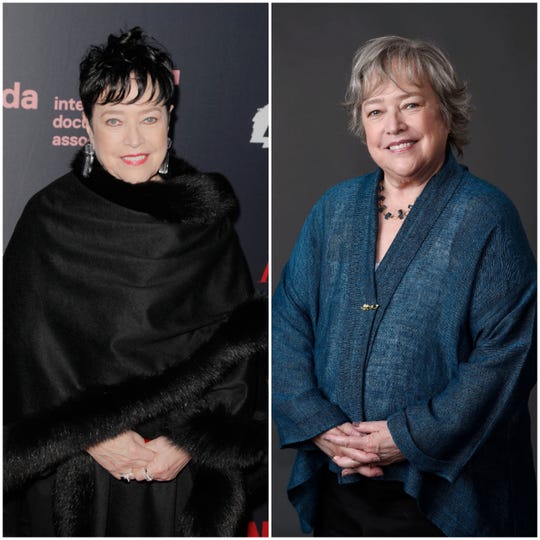
Actor Kathy Bates, I discovered today, is also a spokeswoman and lobbyist for the Lymphatic Education & Research Network (LE&RN.)

“Kathy Bates has successfully battled ovarian cancer since her diagnosis in 2003. In September 2012, she revealed via Twitter that she had been diagnosed with breast cancer two months earlier and had undergone a double mastectomy. In 2014, at the New York Walk for Lymphedema & Lymphatic Diseases, Bates announced via pre-recorded audio that, due to the double mastectomy, she has lymphedema in both arms. At that time, Bates became the National Spokesperson for the LE&RN and has been actively involved in lymphedema and lymphatic disease advocacy. On May 11, 2018, Bates led advocates in a Capitol Hill Lobby Day to garner Congressional support for research funding. The next day, May 12, Bates addressed supporters at the first-ever DC/VA Walk to Fight Lymphedema & Lymphatic Diseases at the Lincoln Memorial. She was awarded the 2018 WebMD Health Heroes ‘Game Changer’ award for her role in raising awareness of this chronic lymphatic disease.”

What does that mean, having a spokesperson? How can that make a difference?

In 2016, WBUR reporter Carey Goldberg interviewed Dr. Michele Berman, co-author of the book, "Reimagining Women's Cancers: The Celebrity Diagnosis Guide To Personalized Treatment and Prevention." She and her husband, Dr. Mark Boguski, run CelebrityDiagnosis.com. In that interview, after discussing the then-new Angelina Jolie diagnosis of a rare form of breast cancer and her double mastectomy, Goldberg asked,So ultimately, the moral of this Angelina effect story is...?”

 Dr. Berman said, “Celebrity stories are really double-edged swords. They can be very helpful. They can be very educational. But if the information given is just put out there on its own, without appropriate commentary by people who know what they're talking about, people can get wrong ideas. They can go looking for cures where there may not be any; they can go looking for testing where they may not need it.

“It's obvious these celebrities are not doing this to cause anyone harm. Their intentions are very good. But their story just doesn't always necessary translate to other people's stories. The message got out; people learned some more, which is a good thing. But the message didn't necessarily target the people who were most at risk.”

Honestly? I can’t add anything more to this. So there you go!


Saturday, May 4, 2019

ENCORE #108! – Neulasta – What’s It DO???? (Plus some new thoughts…)

From the first moment my wife discovered she had breast cancer, there was a deafening silence from the men I know. Even ones whose wives, mothers or girlfriends had breast cancer seemed to have received a gag order from some Central Cancer Command and did little more than mumble about the experience. Not one to shut up for any known reason, I started this blog…That was four years ago – as time passed, people searching for answers stumbled across my blog and checked out what I had to say. The following entry appeared in November of 2011.

Though I talked very briefly some time ago about what the various chemotherapy drugs that my wife was treated with were “for”, I never really went into any kind of detail.

Now that chemo is “over”, I wanted to explore what some of the long-term and lasting effects of the treatment are. Because she reached that time – what with the odd numbing of her upper lip, the incision pains, swollen ankles and dry skin, I’d like to know which of those things is chemo-derived and which ones are not.

So we’ll g0 here next:

What’s “neulasta” and what does it do?

Chemically, “neulasta” is N-(3-hydroxypropyl)methionyl, 1-ether-alpha-methyl-omega-hydroxypoly(oxyethylene). Complex. Lots of chemicals.

But what’s it DO?

“Neulasta”, is a special protein that’s based on sugar (an oligo-saccharide, meaning that the molecule has only a few small units, in this case a sugar ) that’s attached to a protein to form a glycoprotein.

The glycoprotein is a very important part of a cell wall – the cells that are being targeted are white blood cells. The white blood cells are also called neutrophils, granulocytes and stem cells and are the main part of the blood that destroys microscopic body invaders like bacterial infections, viruses or other germs. The glycoproteins help the white blood cells recognize the germs.

Neulasta makes the marrow in bones produce more white blood cells to replace the ones killed by Cytoxan, Adriamycin and Taxotere (which I talked about esrlier) while they are busy killing cancer cells that are growing out of control.

The “colony” in the “colony stimulating factor” is the white blood cells in the bone marrow.

So – “neulasta” is injected just under the skin and gets into the bloodstream. It goes along until it reaches the bone marrow where it forces (also known as “stimulating”) the growth of new white blood cells to take the place of the older ones killed off by the chemicals in chemotherapy.

Side-effects? Sure. Any one of us who’s seen the Red Devil injected in his wife, mother or girlfriend knows what I’m talkin’ about here. With stuff like THAT going into a human body, to expect NO side-effects would be the crazy thing! There are “minor effects” – did any of the researchers experience any of these symptoms? If they had, would they have called the effects “minor”? – of the injection, things like hives; difficulty breathing; swelling (face, lips, tongue, or throat) as well as bone pain; pain in your arms or legs; or bruising, swelling, pain, redness, or a hard lump where the injection was given.

More serious side-effects (though according to the test trials, these rarely happened: sudden or severe pain in your left upper stomach spreading up to your shoulder; severe dizziness, skin rash, or flushing; rapid breathing or feeling short of breath; signs of infection such as fever, chills, sore throat, flu symptoms, easy bruising or bleeding (nosebleeds, bleeding gums), loss of appetite, nausea and vomiting, mouth sores, or unusual weakness.

My wife didn’t seem to experience any of the side-effects. In fact, though we expected WORSE, the chemotherapy (while horrible in its own right) only threw us a few curves. Because of the neulasta injections, she didn’t seem to catch any sort of germ at all and stayed (on the chemotherapy scale of things in our “new normal” world) pretty healthy.

------------------------------------------------------------

There are other thoughts I’ve had about the use of neulasta (pegfilgrastim) and I might look at those soon. As for the use of the drug in conjunction with chemotherapy, as with all things produced by the “Big Pharma” industry, the price of an injection of neulasta while remaining roughly the same at roughly $6000, has stimulated (pardon the pun) some competition from a new product, Udenyca. It’s on the market currently and costs less as long as you use a “coupon” (can you “clip coupons” for your cancer treatment now?) reducing the cost of an injection to $4000…from a starting point of $20,651…) This competition MAY be explained by the experimental use of neulasta in treating arthritis…

Hmmm…


Saturday, April 27, 2019

GUY’S GOTTA TALK ABOUT…Alzheimer’s #23: Catharsis and Lingering Thoughts


Dad’s diagnosis of Alzheimer’s stayed hidden from everyone until I took over the medical administration of my parents in 2015. Once I found out, there was a deafening silence from most of the people I know even though virtually all of them would add, “My _____ had Alzheimer’s…” But there was little help, little beyond people sadly shaking heads. Or horror stories. Lots of those. Even the ones who knew about the disease seemed to have received a gag order from some Central Alzheimer’s Command and did little more than mumble about the experience. Not one to shut up for any known reason, I started this part of my blog…

You don’t have to read past this because it is, if I do say so, something of a downer. As I am writing this AFTER I wrote the words below, I realize that there was something cathartic about it…So if you DO read past this, don’t blame me for not warning you…

Yesterday afternoon, I drove past the senior residence where my parents spent the final years of their lives.

Amazingly, nothing had changed.

Amazing to me, but not to anyone else, because there are only a few of us for whom the entire world changed when Dad passed away almost 3 months ago.

I make jokes with my wife sometimes, saying, “Oh! I have to out to see Dad!” We both laugh, but deep down inside of me…I don’t feel anything.

My dad and I; in fact my parents and I, to be truthful, had an odd relationship. They were 1950s distant – not that they slept in different beds like Ozzie and Harriet or Ricky and Lucy Ricardo, but they ascribed to the 1950s dictum that you raise your kids then ignore them after they get married (except for obligatory seasonal family get-togethers and visits to see grandchildren).

At least that’s the way it was for me until my parents reached their declining years. I didn’t go shopping with my mom or to sporting events with my dad. We hadn’t shared those things while I was growing up, so we didn’t share those things when I was older. I rarely socialized with my parents outside of familial obligations…until their decline reached a point where they needed me to transport them and start to keep track of appointments and take them to the hospital and intervene in their medication dosing regimens.

By then, there was no time left to have fun. By then, I assumed the role of caretaker (though I have no idea if anyone other than my wife and daughter had any idea how invested I was in that. The answer was so deeply that my life became little more than work and parents.) Even when they moved to the senior care facility I started this essay with, and there were people there to care for them, I was constantly on call. After my mother passed away, I was literally on-call as I was the child who lived closest to the facility. For the two years following Mom’s passing, I went to the place at least once a week – to reset the TV, get groceries (even though they provided meals and snacks, Dad never wanted to depend on that. He always kept soda, milk, cereal, crackers, cookies, and candy…uh…handy.) Toward the end, the milk would sit until I had to throw out an untouched bottle and everything but the soda and candy went uneaten.

Honestly? I felt as if I were taking care of strangers and then a stranger. That made it even more uncomfortable when Dad would tell me that I was the only one he could count on; or that I was his only friend…

Why did it make me so uncomfortable? Because, horrible person that I am, I didn’t care anymore. It took my breath away when I realized that I actually may not have EVER cared. I’d felt misplaced in my family since adolescence; an outlier with little or no interest in the things that consumed the others. My family and I camped, wrote, biked, traveled, read, gardened, and not a single one of us ever joined a sports team – except my son ran track in eighth and ninth grade. We had no “equipment closet” (filled with smelly hockey equipment, usually!) because I couldn’t have cared LESS about sports. Religion was important  to me, too (it became important to my siblings later in their lives. It was important to me when I was a teenager and served to accentuate my weirdness. By the time I started college, I rarely spoke with any of them. I continued to live at home, drive to college, and work, but in every way, I was just a “lodger”.

And suddenly I found myself filling the role of intimate (in more ways than one…) for my parents. I may very well be processing that for a long, long time…


Saturday, April 20, 2019

Easter Saturday Reflections EIGHT Years Since I Started This Blog

From the first moment my wife discovered she had breast cancer, there was a deafening silence from the men I know. Even ones whose wives, mothers or girlfriends had breast cancer seemed to have received a gag order from some Central Cancer Command and did little more than mumble about the experience. Not one to shut up for any known reason, I started this blog…

Four hundred and ten posts, two hundred and sixty weeks.

Good Friday was last night.

Why do they call it good? Strangely enough, the best explanation I have ever heard or seen popped up on Friday on my niece’s Facebook post in the form of a comic strip drawn by legendary artist, Johnny Hart, creator of the strip “B.C.” and co-creator of the strip, “The Wizard of Id”:
This is the only reason such a day, such a celebration could be called “good”.

Seven years ago, my daughter and I were talking about Good Friday on the way to the service and back. She observed that this was the only specifically Christian Holy Day that the secular world has been unable to coopt. We decided that there’s no way that such an event could be made cute or represented by cuddly animals, people in costumes or from which candy companies might not spin adorable commercials or bunnies laying chocolate eggs. Any attempt to “cute-i-fy” Good Friday is doomed to failure by the nature of the day.

It’s grim. Gruesome. Dark. It’s all about torture and execution.

Outsiders – those who don’t know of, believe, or otherwise acknowledge Christianity – find it offensive and inexplicable; perhaps even insane. “Why would you possible want to remember the horrific execution of your rabbi and teacher?”

Last night I was reminded again that the events leading up to the execution of the Christ are NOT about the failure of God to accomplish His mission on Earth. The crucifixion was NOT a backup plan and a bad one at that.

The events prior to Good Friday were an exhibit  of everything that is rotten in Humanity and a display of ample proportions of exactly why it needed forgiveness and saving.

The infant Jesus was born a slave to an empire both global and cruel. His birth sparked the slaughter of hundreds of other innocent newborns by decree. His life exposed the tedious, unremarkableness of thirty years of growing old in an ancient world and the loss of his father during adolescence; his three years of ministry exposed him to corrupt government, avarice and greed, ridicule by the intelligentsia, betrayal and abandonment by friends, public adulation turned mockery, lies, a corrupted justice system that did not represent slaves; gambling and drug abuse.

What does this have to do with my wife’s breast cancer? One night, I was shamed by His suffering because I have for some time now begged and challenged Him to explain, “Why have you made me suffer so?”

He hadn’t answered my plea until that night five years ago when He said, “I can’t explain that, Guy. But I can say that I have been with you in that suffering because I understand suffering. I understand despair. I get you. That’s why I haven’t cast a lightning bolt in your direction for your impertinence. I understand, as few others can, your suffering, and I’ll stand by you and answer what questions I can. Look at your blog – lots of answers there. Not ‘the answer’, that won’t come until we can talk face-to-face; but you got a lot of them. See you later, bud.”

I know this isn’t about breast cancer exactly; I suppose I pulled a Johnny Hart on you all. Be that as it may, my prayer is that you might find some answers to your suffering. If you can’t find answers, then I’d be happy to talk with you. Just leave me a comment and I’ll reply…