Saturday, April 28, 2018

GUY’S GOTTA TALK ABOUT…Alzheimer’s #15: The Wedding Ring


Dad’s diagnosis of Alzheimer’s stayed hidden from everyone until I took over the medical administration of my parents in 2015. Once I found out, there was a deafening silence from most of the people I know even though virtually all of them would add, “My _____ had Alzheimer’s…” But there was little help, little beyond people sadly shaking heads. Or horror stories. Lots of those. Even the ones who knew about the disease seemed to have received a gag order from some Central Alzheimer’s Command and did little more than mumble about the experience. Not one to shut up for any known reason, I started this part of my blog…

Dad lost his wedding ring a few days ago.

This time, I searched for it by moving all the furniture and bringing in my industrial flashlight. In the bathroom; under the dorm refrigerator; under the couch – those three were long shots. He lost his wedding ring while fiddling with and seated on the edge of his bed.

It’s a simple ring, actually – something like the one above, though not quite. I couldn’t find an exact copy…

At one time, the sterling silver had been diamond cut, but wearing it for sixty-two years had worn it essentially smooth. It wasn’t fancy and had matched my mom’s wedding ring, which is resting with her now these past twenty months. His had known hard use – construction sites, home repair, auto repair, lawn mowing, deck building, tree planting, driving long distances, touring Europe, running spotlight, discipling children, moving furniture, remodeling, playing softball, drinking beer, holding grandchildren, holding great-grandchildren, and an endless procession of life’s small but meaningful events that called for gripping with a hand bearing a ring that promised fidelity until death stepped in to cause a permanent part.

I don’t know if we’ll find it. We’ve found the wallet and apartment keys that have vanished only to reappear a few days or weeks or months later. But I don’t know this time. It’s such a small thing…

The worst part for me?

For a man whose memory is slipping away, the wedding ring was a concrete reminder of sixty-three years spent with one person with whom he had made more memories than any other person…


Saturday, April 21, 2018

ENCORE #86! – 10 Exercise TIPS for Cancer Folk (and don’t forget the significant others!)

From the first moment my wife discovered she had breast cancer, there was a deafening silence from the men I know. Even ones whose wives, mothers or girlfriends had breast cancer seemed to have received a gag order from some Central Cancer Command and did little more than mumble about the experience. Not one to shut up for any known reason, I started this blog…That was four years ago – as time passed, people searching for answers stumbled across my blog and checked out what I had to say. The following entry appeared in December of 2015.

“You should just exercise! It will take away the stress! It will help you heal faster! Exercise will make you better!”

Cool.

Fine. Sign me up for the next Grandma’s Marathon! Running twenty-six miles should be good for at least one chemotherapy session, right?

Exercise…

What exactly does this mean? How do I turn “exercise is good for you” into something I can DO? Oh, and is the “exercise is good for you” mantra only for the loved one with cancer? What about me – who put on something over ten pounds during the chemo sessions and can’t seem to shake the weight now?

The answers to these questions a literally scattered all over the internet, so I’ll try and analyze and condense them here into TEN workable breast cancer treatment and after-treatment practical exercise tips (ALWAYS TALK TO OR CALL YOUR CANCER CARE CENTER BEFORE YOU START ANY KIND OF EXERCISE TO SEE IF IT’S SAFE FOR YOU):

1)      “‘You don't have to be Lance Armstrong,’ stresses Dr. Julia Rowland of the National Cancer Institute, speaking from a survivorship meeting this month that highlighted exercise research. ‘Walk the dog, play a little golf.’” Walk the dog, walk to the end of the block, walk somewhere. Several people recommended finding a neighborhood indoor mall that opens early and walk the perimeter before the stores open. Walk!

2)     “Researchers think exercising together may help both partners stick with it. They also are testing whether the shared activity improves both physical functioning and eases the strain that cancer puts on the caregiver and the marriage.” Walk with a loved one (in my case, ME! I should be walking and exercising WITH my wife. WALKING. Doing DANCE FEVER to an enjoyable music routine. Life weights – or cans of soup if you don’t have weights. A little weight lifted a number of times during a day counts as exercise! Hide the weight in your work locker or in a desk drawer – or leave it out and tell people what you’re doing. You will find a remarkable amount of support.

3)     “For example, Schmitz led a major study that found careful weight training can protect against lymphedema, reversing years of advice to coddle the at-risk arm…” See #2 – lift anything! (By the way, this is called resistance training – the weight “resists” being lifted.)

4)     “…at-home exercises with some muscle-strengthening, plus a better diet, could slow physical decline.” There are dozens of DVD exercise programs. If you can’t buy one, check one out from your local library or ask to borrow one from a local gym, YMCA or school. Do as much as you can, then stop. (See #1 above!) Also, lifting the DVD into the player is exercise! Here’s the address for a DVD specifically for breast cancer survivors: http://www.strengthandcourage.net/

5)     Arms at your side, hold a towel in both hands. Using the unaffected arm, pull the other behind the back. Alternate Pain is to be respected and the stretch should be held to the point of discomfort not pain .The stretches should be held from 5-10 seconds at first, gradually increasing the length of time. It’s better to do this several times during the day, rather than all at once. With arms bent (on either side of the head), hold a towel in both hands. Using the unaffected arm, pull the other behind the head.

6)      “If lymphedema is a concern, you…should be fitted with a sleeve which is worn while exercising especially when lifting weights. Progress…slowly and start with a light weight – ONE pound is just fine.”

7)     Walking and cycling are quite beneficial as are swimming, cross training, or aerobics. It is best to begin with a 5-10 minute walk to judge...if a long period is too much, multiple shorter aerobic sessions are fine. Your goal will be to gradually increase the time period engaged in aerobic exercise and to slowly increase your exercise tolerance.

8)    Doing yoga can provide flexibility benefits as well as instruction in stress reduction techniques that can prove beneficial. [I know nothing about yoga, so start with a library visit or a YouTube video: http://www.youtube.com/watch?v=H3vLZqPZxZE]

9)     Yep, I’m sayin’ it again: “Walking, a common fitness choice, offers the benefits of aerobic exercise without overly straining the body. According to a 2005 study in the Journal of the American Medical Association, the benefits of walking peak when a breast cancer patient or survivor walks 3 to 5 hours weekly at a pace of 2 to 3 miles per hour.”

10) Find a swimming pool and join a waterobics class; if you can’t join a class, get this CD: http://www.maryessert.com/bcr.htm This site lists the exercises and exactly how to do them!

Image: https://c2.staticflickr.com/6/5527/10893068965_1d328e8f71_b.jpg

Saturday, April 14, 2018

GUY’S GOTTA TALK ABOUT #41…Gilda’s Club & New Directions


From the first moment my wife discovered she had breast cancer, there was a deafening silence from the men I know. Even ones whose wives, mothers or girlfriends had breast cancer seemed to have received a gag order from some Central Cancer Command and did little more than mumble about the experience. Not one to shut up for any known reason, I started this blog…

I haven’t said much about Gilda’s Club because after my brief interest, I found I really didn’t have time to do much with the information.

A week or so ago, Gilda’s Club Twin Cities reached out to the local school districts, inviting someone from the district to attend Imagine A Place Breakfast, A Free Fundraiser to Benefit Gilda’s Club (http://www.gildasclubtwincities.org/news/imagine-a-place-breakfast-thursday-april-26/) “…we regularly get calls from schools asking how we can provide support when a student, teacher, or staff member is impacted by cancer. In the next few years, we will be more fully developing our children, teen, and family programming. As part of this, we are looking to work closely with local school districts to create awareness of our program as a community-based resource. Additionally, we are developing creative programs such as a teen essay contest as well as a “Gilda on the Go” program that will take elements of our program out into the community, with schools being a key partner…I am inviting leadership from the surrounding school districts to our Imagine a Place Breakfast…it is also a powerful hour of inspiration and education to learn more about the psychosocial impact cancer has on our community and how Gilda’s Club addresses these needs…I thought this might be ideal timing to learn about our local resource…We would love for you and/or individuals from the Robbinsdale School District to attend to learn more.”

I had never heard of Gilda’s Club until a few years ago, when my daughter interviewed there for a position as a sort of “field test” or “pre-internship” in her master’s degree program in art therapy.

According to Wikipedia, “Gilda's Club was founded by Joanna Bull, Radner's cancer psychotherapist along with Radner's widower, Gene Wilder (himself a cancer survivor) and broadcaster Joel Siegel (who died after a long battle with the disease). The first club opened in New York City in 1995, after a long fundraising campaign that included movie trailers featuring Wilder in theaters around the country. The organization took its former name from Radner's comment that cancer gave her "membership to an elite club I'd rather not belong to".”

My first reaction was, “WHERE THE F…WAS THIS PLACE WHEN WE STARTED THE HIDEOUS JOURNEY THROUGH CANCER?”

Yeah, my reaction, in my head, really WAS that strong.

The main reason we didn’t know about it was that it wasn’t here. Gilda’s Club opened here in 2014. We started our journey in March of 2011. We’ll be “celebrating” the fifth anniversary of that date this year.

I confess, I still have bitter (VERY) feelings about the lack of support we got at the beginning. My daughter shared something of the same sense after she started working at Gilda’s Club a few weeks ago. In fact, she mentioned that this experience AS a therapist intern might actually BECOME therapeutic for her.

It’s still been a lonely slog. I KNOW I have nearly 50,000 hits here over the past seven years, yet I still don’t talk to any other “male caregiver” about the journey. Even though one of the men I work with and chat with on occasion is also a “male caregiver”. The atmosphere at work isn’t conducive to talking at depth, even though I am, ironically, a counselor!

And so I continue on pretty much in silence, except for these blog entries.

Anyway, it’s GOOD to know that others won’t have to go it alone anymore. Gilda’s Club has twenty-something affiliates in places like New York, Chicago, Seattle, Palm Desert, Fort Lauderdale, Davenport, and besides here, another fifteen or so places. If you want a place near you, click on the link below in Resources. If you’re in the Twin Cities, email me and I can give you a little bit of info.

I’d like to try going to GC, but I still haven’t decided if I want to wallow in my bitterness a little longer or maybe find other men willing to talk about being a caregiver of a breast cancer survivor. I’ll keep you posted.

I’ll be going to the breakfast with the intent of getting the tools necessary for me to create a Fight Cancer group at the high school I work at (I was thinking of using a different name, but I’m pretty sure Admin wouldn’t much care for it, though I think we can call it that among ourselves (You might want to read this to get the gist of my true feelings… http://breastcancerreaper.blogspot.com/2016/03/guys-gotta-talk-about-23f-cancer.html)

Again, I’ll keep you posted!


Saturday, April 7, 2018

ENCORE #85! – Diabetes = Peripheral Neuropathy, Chemotherapy = Neuropathy…What If You Have BOTH?


From the first moment my wife discovered she had breast cancer, there was a deafening silence from the men I know. Even ones whose wives, mothers or girlfriends had breast cancer seemed to have received a gag order from some Central Cancer Command and did little more than mumble about the experience. Not one to shut up for any known reason, I started this blog…That was four years ago – as time passed, people searching for answers stumbled across my blog and checked out what I had to say. The following entry appeared in September of 2015.

Today I’ll be referencing a number of different sources – let me state immediately and LOUDLY:

I AM NOT A DOCTOR. I AM READING THE SOURCES I NOTE BELOW AND SUMMARIZING, SOMETIMES CHANGING TECHNICAL TERMS INTO MORE COMMON ENGLISH DEFINITIONS. THIS IS NOT MEANT TO BE A DIAGNOSIS OR TREATMENT BLOG BUT A THOUGHT-PROVOKING ONE.

“Peripheral neuropathy is a set of symptoms caused by damage to the nerves that are away from the brain and spinal cord. These distant nerves are called peripheral nerves. They carry sensations (feeling) to the brain and control the movement of our arms and legs.”

Some of the symptoms of PN are: “pain that might be present all the time or come and go, like shooting or stabbing pain); burning; tingling; loss of feeling; it’s hard to pick up things and you drop things more often; balance problems; trouble with tripping or stumbling while walking; more sensitive to cold, heat, touch, or pressure; shrinking muscles; muscle weakness; trouble swallowing; constipation; trouble passing urine; blood pressure changes; as well as decreased or no reflexes.”

What causes PN?

Diabetes can. Chemotherapy with certain drugs can.

What if you have diabetes AND have been successfully treated for breast cancer?

Over a decade ago, it seems that the treatment was essentially: MORE DRUGS! (http://www.ncbi.nlm.nih.gov/pmc/articles/PMC2430688/)

Doctors today are taking a closer look at dealing with it: “In a recent…analysis…the…prevalence of [neuropathy caused by breast cancer chemotherapy] was 48%. Within the first month of completing chemotherapy, the prevalence of [neuropathy] was 68%; after 6 or more months of completing chemotherapy, the prevalence of [neuropathy] decreased to 30%.”

What’s the solution here?

There isn’t one yet. There are hopeful signs, however: “Clinical trials investigating… acupuncture and massage therapy are under way. A few small trials have investigated the use of Scrambler therapy, a device that provides noninvasive cutaneous electrostimulation, to treat [neuropathy]. The use of topical menthol...is also being investigated...”

That’s breast cancer.

How about diabetic neuropathy treatments?

Quite plainly: “There are currently no curative options for people with diabetic neuropathy; instead the condition is treated through pain relief or blood glucose control to stop the condition getting worse.”

In the same article from which the above quote was taken, there seems to be some hope in using stem cells FROM THE PATIENT THEMSELVES (“Mesenchymal stem cells can be obtained from several sources in the body, including fat tissue, tendons, umbilical cord blood and bone marrow. The most successfully transplanted MSCs have been those from the bone marrow.”)

Currently, doctors treat diabetic neuropathy “...based on three major approaches: intensive glycemic control and risk factor management, treatments based on pathogenetic mechanisms, and symptomatic pain management. Clinical guidelines recommend pain relief...through the use of antidepressants…opioids and topical agents such as capsaicin…[other drugs are listed] [But]...there is a growing need for studies to evaluate the most potent drugs or combinations for the management of [neuropathy] to maximize pain relief and improve quality of life. A number of agents are potential candidates for future use in PDN therapy, including [a sodium ion channel that in humans is encoded by the SCN9A gene]antagonists, calcium channel blockers, NGF antibodies, and angiotensin II type 2 receptor antagonists.”]

So – drugs, drugs, and more drugs...

You DID notice that the treatments for chemotherapy-induced neuropathy and diabetic neuropathy DON’T have anything in common?

If you GOOGLE “diabetic neuropathy, chemotherapy-induced neuropathy, treatment”…you get nothing that includes both. With 11 million women in the US with diabetes (https://diabetessisters.org/women-diabetes) and 300,000 dealing with breast cancer in the US alone (http://www.cancer.org/acs/groups/content/@research/documents/document/acspc-042725.pdf), you’d think that someone, somewhere, would link the two and do a teensy bit of research.

Anyone care to join me in politely asking the medical community to “GET ON THE STICK!!!!!”


Saturday, March 31, 2018

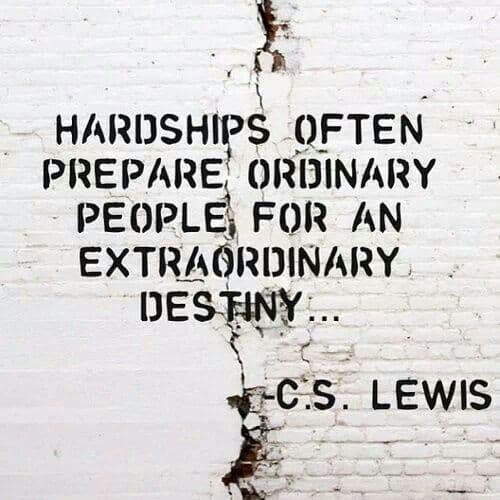
Encouragement (In Suffering, Pain, and Witnessing Both…) #2: Relay For Life 2018!

The older I get, the more suffering and pain I’ve experienced; and the more of both I stand witness to. From my wife’s (and many, many of our friends and coworkers) battle against breast cancer; to my dad’s (and the parents of many of our friends and coworkers) process as he fades away as this complex disease breaks the connections between more and more memories, I have become not only frustrated with suffering, pain, and having to watch both, I have been witness to the suffering and pain among the students I serve as a school counselor. I have become angry and sometimes paralyzed. This is my attempt to lift myself from the occasional stifling grief that darkens my days…

I can find no more encouraging even than the Relay For Life series hosted all across the country.

As in the past five years, I’m participating again and I’d appreciate any support anyone who reads this blog might offer. As part of the Super Cooper Staff, I am thrilled every year when this time rolls around.


I’ll post more in upcoming weeks as the event draws near. For now, here are links to the past events I’ve written about! My hope is that you find some encouragement in the ongoing fight against cancer.

The ones that have touched my own life? Breast Cancer in my wife and her best friend. Liver cancer in my brother-in-law. Testicular cancer in a good friend. Skin cancer in my dad, brothers, and sister. Prostate cancer in my dad. Lung cancer in my mother-in-law. Leukemia in the son of some very old friends of mine. It’s everywhere – and we can DO something to end it.


Resources:
Image: http://www.quoteambition.com/wp-content/uploads/2017/04/encourage-quotes-destiny.jpg

Saturday, March 24, 2018

ENCORE #84 ! – Why Do So Many Women Have Breast Cancer?


From the first moment my wife discovered she had breast cancer, there was a deafening silence from the men I know. Even ones whose wives, mothers or girlfriends had breast cancer seemed to have received a gag order from some Central Cancer Command and did little more than mumble about the experience. Not one to shut up for any known reason, I started this blog…That was four years ago – as time passed, people searching for answers stumbled across my blog and checked out what I had to say. The following entry appeared in June of 2011.

The roommate of our foster daughter is somewhat estranged from her mother and through the grapevine last week, discovered that her mother had had a preliminary diagnosis of breast cancer. It turned out to be benign cysts, but my wife raised the immediate question: Why do so MANY women have breast cancer?

A legislator in the district in which I live sent an email to her constituency that she had finished a recent session (though it ended deadlocked and a special session is in the works). She also shared that she was in the final stages of ovarian cancer and she was in hospice. We all raised the question: Why do so MANY women have cancer?

Is it something in the environment? Is it the fast food and processed foods we eat constantly? Is it because we’re living longer that cancers get a chance to grow? Is it because we’re better at detection now and deaths that were at one time “unexplained” now have a clear cause?

Well, a dose of the facts never hurt anyone – it only shakes preconceived notions and perceptions.

FACT: Incidence of Breast Cancer

1975-80 –       held steady at 110/100,000 women
1980-87 –       increased by 4% per year
1987-1994 –   held steady at 140/100,000 women
1994-99 –       increased by 2% per year
1999-2006 – decreased by 2% per year to 120/100,000 women


What causes breast cancer? The short, concise answer is: “Don’t know, trying to find out.”

There are risk factors – none of which are related to the environment or food additives. In order, they are advancing age, family history, use of hormones, high doses of radiation (ie – nuclear reactor), obesity, booze and a fatty diet.

So as people get older and exercise less they increase the risk of breast cancer. The perception that it’s everywhere, while frightening, isn’t exactly true – HOWEVER the fact that the longer you live the more friends you have is an observable phenomenon. That increase in the number of friends makes it a statistical certainty that your chance of knowing someone with breast cancer will approach 100%.

This all means…what?

For me it means I will continue to write this blog; next year I will join one of the endurance events targeting fund raising to find a cure for breast cancer and I’ll speak at Cooper’s Relay For Life like they asked me to do this year.

It means we’ll all keep fighting, bankrolling, inspiring and looking for ways that a cure for one kind of cancer can apply to another kind of cancer.


Saturday, March 17, 2018

BREAST CANCER RESEARCH RIGHT NOW! #60: COMING SOON – I, Robot Nanites Fight Breast Cancer!


From the first moment my wife discovered she had breast cancer, there was a deafening silence from the men I know. Even ones whose wives, mothers or girlfriends had breast cancer seemed to have received a gag order from some Central Cancer Command and did little more than mumble about the experience. Not one to shut up for any known reason, I started this blog…

Every month, I’ll be highlighting breast cancer research that is going on RIGHT NOW! Harvested from different websites, journals and podcasts, I’ll translate them into understandable English and share them with you. Today: https://www.nature.com/articles/nature23657

Most of this article is behind a paywall, but reading the abstract (science term that sort of means the “summary” of what the paper’s about), I can see the application possibilities. I’d LOVE to read it in full, but NATURE makes its money selling the right to read the papers for absurd amounts…

In the online magazine, Science, an online science news magazine, they translate the abstract into reasonably understandable English (http://www.sciencemag.org/news/2017/08/nanomachines-drill-holes-cancer-cells)

Even so, it’s still pretty heavy stuff, so I’m going to take a stab at it here.

The basic idea is that by using chemicals, light, and even sound, scientists have created clusters of atoms that hang together and perform in particular ways. It sounds wild, but if you think of a all the parts it takes to run your car – or even more simply, your bicycle – it’s nothing radically different. It’s just the scale that’s amazing and the tools they use.

By the way, the things they create – they’re called nanomachines. They first four letters are Latin and means “one-millionth”. So, these nanomachines (if you ever say Will Smith’s movie, I, ROBOT, they used “nanites” (another word for namomachines and WAY easier to say), to destroy the crazy computer VIKI.) can be programmed to do certain things. Sort of like a set of screwdrivers. I can’t use one of those weird square-nosed ones to take out a Phillips screw. I can certainly try, but it strips the head and makes the job of taking out a zillion times more work.

What nanite scientists do is count on how atoms attach to each other and set them up so that they can attach together in the right way. In other words, that can set up a nanite so that it’s attracted to a breast cancer cell – in the nanoworld, a breast cancer cell will have certain chemicals around it and on its surface. The nanite looks for the “smell” of the cancer cell and then attaches to it.

They’ve also given their nanite a sort of “drill bit” on one end – a tail on one end to get around, a drill bit on the other to dig into a cancer cell. Wrapped inside of the nanite is a little surprise for the cancer cell – a molecule of chemo drug. Once it’s drilled through the wall of the cancer cell, it shoves the chemo in, then shuts down, its weapon delivered.

Zillions of these little machines seek out and destroy cancer cells, so instead of the chemo taking out hair cells along with the cancer cells, ONLY the cancer cells get zapped.

That’s the theory, and now these articles detail how scientists have made it work in the lab. The next step, of course, will be to see if it works in something alive – usually mice – and finally seeing if it will work in the complex universe (remember how small nanites are – 50,000 of them could line of end-to-end and just make it across the width of a Human HAIR! If you lined up 50,000 people, laying down, feet to head, that would stretch 52 miles) that would be a Human body.

So, we shall see!