From the first moment my wife discovered she had breast cancer in March of 2011, there was a deafening silence from the men I knew. Even ones whose wives, mothers or girlfriends had breast cancer seemed to have received a gag order from some Central Cancer Command and did little more than mumble about the experience. Not one to shut up for any known reason, I started this blog…That was four years ago – as time passed, people searching for answers stumbled across my blog and checked out what I had to say. The following entry first appeared in June of 2012 – almost ten years ago…
One of the main events of my life (after my wedding day, birth of my kids, marriage of my son, and birth of my grandkids) is my almost annual Young Authors Conference.
The event is planned and executed with elan and has been held at various colleges in the Minneapolis/St. Paul area for the past 22 years. I’ve been a part of the event – first as a chaperone and eventually as one of the workshop leaders – for at least fifteen of those years. There are lots and lots of people who have made those events special, but there was one yesterday that makes me smile and feel warm inside…
I’ll back up a little to explain that about a year ago, early on in my wife’s breast cancer story, a god friend of ours ordered (what she thought) was a pair of very, very pink shoelaces. She found out, on delivery, that she’d ordered TEN pairs of shoelaces. I took a pair for my own black Reeboks and laced them up.
As I am [was] a high school counselor who was recently a classroom science teacher, I come into contact with 14-18 year olds on a daily, moment-by-moment basis. The day after I put in the laces, a student dashed into my office, stopped abruptly and said, “I like your shoelaces.”
“Oh,” I replied, “I got them because my wife was diagnosed with breast cancer.”
“Oh, man, I’m sorry Mr. Stewart. I hope she gets better…”
From that day forward, I get some sort of comment or other on the shoelaces at LEAST once a week.
Yesterday at the Young Authors Conference, I was heading downstairs for the last time, pulling a suitcase full of books behind me. Passing a pair of young ladies – probably 7th or 8th graders – one of them snickering, said, “I like your suitcase!”
Smiling grimly and knowing EXACTLY how me – a big, old, fat white guy – must look pulling a hot pink suitcase on rollers (that actually belongs to my daughter!), I laughed and said, “Thanks!”
Then she said, “I like your shoelaces, too!”
I stopped, held out my foot and said, “Oh, I wear these because my wife is a breast cancer survivor – a little over a year now!”
Her eyes got big and her face went from teasing laughter to seriousness as she said, “Oh! My grandma had breast cancer!”
Right there, we had a connection – the horror of the initial diagnosis, pain of watching someone we loved go through the treatment, and the joy in a clean diagnosis after a terrible nightmare. For a moment our lives touched and we smiled at each other, two people who had been able to do nothing but love a suffering “someone” we knew and be there for them and pray for them and do anything else we could possibly think of…like wear something pink so that we identify ourselves as a sort of “Pink Horde”…
That made my day. It made my week. It made me thankful for the support I’ve gotten and the support I’ve been able to give.
It made me thankful my wife is healthy, happy and very much alive!
Image: https://c2.staticflickr.com/6/5527/10893068965_1d328e8f71_b.jpg
A NEWLY DIAGNOSED T2 DIABETIC, breast cancer husband's observations mixed up with an Alzheimer's son's musings
Sunday, February 27, 2022
Sunday, February 20, 2022
BREAST CANCER RESEARCH RIGHT NOW! #81: The Department of Defense Takes on Breast Cancer!
From the first moment my wife discovered she had breast cancer, there was a deafening silence from the men I know. Even ones whose wives, mothers or girlfriends had breast cancer seemed to have received a gag order from some Central Cancer Command and did little more than mumble about the experience. Not one to shut up for any known reason, I started this blog…
Every month, I’ll be highlighting breast cancer research that is going on RIGHT NOW! Harvested from different websites, journals and podcasts, I’ll translate them into understandable English and share them with you. Today: DEPARTMENT OF DEFENSE - CONGRESSIONALLY DIRECTED MEDICAL RESEARCH PROGRAMS
My son has been in the Army for the past eight years. He’s a staff sergeant and after two overseas duties (one for 4 years, with his family; one for one year, alone), in conflict zones.
To tell you the truth, I was stunned. There’s some very, very serious money involved here. Its complete name: Department of Defense Congressionally Directed Medical Research Programs (CDMRP), Breast Cancer Research Program (BCRP): Anticipated Funding Opportunities for Fiscal Year 2022.
The CDMRP originated in 1992 via a Congressional appropriation to foster novel approaches to biomedical research in response to the expressed needs of its stakeholders-the American public, the military, and Congress.
Why? “The FY22 Defense Appropriations Act is anticipated to provide funding for the BCRP to support innovative, high-impact research with clinical relevance that will accelerate progress to end breast cancer for Service Members, Veterans, and the general public.”
DANG!
What’s the outline of the plan? “Applications submitted to the FY22 BCRP must address one or more of the following overarching challenges”:
1. Primary prevention of breast cancer
2. Identify determinants of breast cancer initiation, risk, or susceptibility
3. Distinguish deadly from non-deadly breast cancers
4. Conquer the problems of overdiagnosis and overtreatment
5. Identify what drives breast cancer growth; determine how to stop it
6. Identify why some breast cancers become metastatic
7. Determine why/how breast cancer cells lie dormant for years and then re-emerge; determine how to prevent lethal recurrence
8. Revolutionize treatment regimens by replacing them with ones that are more effective, less toxic, and impact survival
9. Eliminate the mortality associated with metastatic breast cancer
The Armed Forces’ biggest initiative appears to be the identification of BC’s beginning; the risk or susceptibility of each individual to BC; to identify what drives cancer/tumor growth; and to identify why some BCs become metastatic and some do not.
The military would intend that the research they fund be aimed at first and foremost PREVENTING BC. In addition, they would expect to be able to tell if the BC is deadly or not; conquer the problem of overdiagnosis and overtreatment (from the article listed below: “Advances in the surgical management of breast cancer have an increasingly conservative approach [to the removal of BC tissue (aka “mastectomy”, my wife had a radical mastectomy)].”
They also expect that researchers would be looking for a way to determine why/how breast cancer cells lie dormant for years and then re-emerge and I imagine, use that information to find a way to prevent lethal recurrence. The expectation of the researchers is no less than revolutionizing treatment regimens by replacing them with ones that are more effective, less toxic, and impact survival. I DO know that there has been a move to that even since my wife’s treatment. Finally, their ultimate goal is to eliminate mortality associated with metastatic breast cancer.
It sounds like nothing less than a miracle. The intent, if I’m reading this right, is to disburse $61.2 million over the course 3-4 years. All focused on the prevention, identifying, determining, the revolution directed at conquering and ELIMINATING breast cancer.
Truly amazing…
Resources: https://cdmrp.army.mil/pubs/press/2022/22bcrppreann, https://www.frontiersin.org/articles/10.3389/fonc.2021.622621/full
Every month, I’ll be highlighting breast cancer research that is going on RIGHT NOW! Harvested from different websites, journals and podcasts, I’ll translate them into understandable English and share them with you. Today: DEPARTMENT OF DEFENSE - CONGRESSIONALLY DIRECTED MEDICAL RESEARCH PROGRAMS
My son has been in the Army for the past eight years. He’s a staff sergeant and after two overseas duties (one for 4 years, with his family; one for one year, alone), in conflict zones.
To tell you the truth, I was stunned. There’s some very, very serious money involved here. Its complete name: Department of Defense Congressionally Directed Medical Research Programs (CDMRP), Breast Cancer Research Program (BCRP): Anticipated Funding Opportunities for Fiscal Year 2022.
The CDMRP originated in 1992 via a Congressional appropriation to foster novel approaches to biomedical research in response to the expressed needs of its stakeholders-the American public, the military, and Congress.
Why? “The FY22 Defense Appropriations Act is anticipated to provide funding for the BCRP to support innovative, high-impact research with clinical relevance that will accelerate progress to end breast cancer for Service Members, Veterans, and the general public.”
DANG!
What’s the outline of the plan? “Applications submitted to the FY22 BCRP must address one or more of the following overarching challenges”:
1. Primary prevention of breast cancer
2. Identify determinants of breast cancer initiation, risk, or susceptibility
3. Distinguish deadly from non-deadly breast cancers
4. Conquer the problems of overdiagnosis and overtreatment
5. Identify what drives breast cancer growth; determine how to stop it
6. Identify why some breast cancers become metastatic
7. Determine why/how breast cancer cells lie dormant for years and then re-emerge; determine how to prevent lethal recurrence
8. Revolutionize treatment regimens by replacing them with ones that are more effective, less toxic, and impact survival
9. Eliminate the mortality associated with metastatic breast cancer
The Armed Forces’ biggest initiative appears to be the identification of BC’s beginning; the risk or susceptibility of each individual to BC; to identify what drives cancer/tumor growth; and to identify why some BCs become metastatic and some do not.
The military would intend that the research they fund be aimed at first and foremost PREVENTING BC. In addition, they would expect to be able to tell if the BC is deadly or not; conquer the problem of overdiagnosis and overtreatment (from the article listed below: “Advances in the surgical management of breast cancer have an increasingly conservative approach [to the removal of BC tissue (aka “mastectomy”, my wife had a radical mastectomy)].”
They also expect that researchers would be looking for a way to determine why/how breast cancer cells lie dormant for years and then re-emerge and I imagine, use that information to find a way to prevent lethal recurrence. The expectation of the researchers is no less than revolutionizing treatment regimens by replacing them with ones that are more effective, less toxic, and impact survival. I DO know that there has been a move to that even since my wife’s treatment. Finally, their ultimate goal is to eliminate mortality associated with metastatic breast cancer.
It sounds like nothing less than a miracle. The intent, if I’m reading this right, is to disburse $61.2 million over the course 3-4 years. All focused on the prevention, identifying, determining, the revolution directed at conquering and ELIMINATING breast cancer.
Truly amazing…
Resources: https://cdmrp.army.mil/pubs/press/2022/22bcrppreann, https://www.frontiersin.org/articles/10.3389/fonc.2021.622621/full
Image: PERSONAL DOWNLOADS
Sunday, February 13, 2022
ENCORE # 177! – Exercise May Improve Immune Functions! How Can THAT Happen???
From the first moment my wife discovered she had breast cancer in March of 2011, there was a deafening silence from the men I knew. Even ones whose wives, mothers or girlfriends had breast cancer seemed to have received a gag order from some Central Cancer Command and did little more than mumble about the experience. Not one to shut up for any known reason, I started this blog…That was four years ago – as time passed, people searching for answers stumbled across my blog and checked out what I had to say. The following entry first appeared in April of 2012.
Doctors harp on exercise.
Despite the harping – or in my case, perversely because of it – I avoid exercise like the plague.
Even so, as I read more and more sites promoting the “exercise makes you better if you have breast cancer” meme, I found that almost none of them give any kind of evidence as to WHY exercise fights cancer and promotes healing.
So I dug into the sites and finally found some evidence supporting this wild, “Do this one weird thing…” kind of meme. This week, it’s number:
1) Physical activity may decrease risk for various cancers by improving immune function
I was a biology major in college – not because I wanted to be a doctor when I grew up. Not because I loved animals. I was a bio major because I loved LIFE! (No, not THAT kind of life. I hated crazy parties with drunken young adults wandering around, trying to shout over obnoxiously loud music and the inevitable whiff of various and sundry “recreational substances” in use. Thanks, but no thanks…) I loved diatoms and dinosaurs; liver flukes and lilies; Euglena and elephantiasis...I didn’t have FUN with it always, but I loved it.
One of the “basic” classes I took was Immunology. I still have the text in my basement library. Published in 1978, it has absolutely NO mention of Acquired Immune Deficiency Syndrome – what we call AIDS. In fact, Immunology was an ELECTIVE class any bio major could take. No one HAD to take it because, after all, while interesting, the immune system wasn’t all THAT important in the broad sweep of things...
“The immune system is a system of biological structures and processes within an organism that protects against disease. In order to function properly, an immune system must detect a wide variety of agents, from viruses to parasitic worms, and distinguish them from the organism's own healthy tissue... [the system includes] enzymes, phagocytosis (cells that eat other cells – the white blood cell in particular), antimicrobial peptides (molecules that kill microscopic creatures), and the complement system (a biochemical cascade that attacks the surfaces of foreign cells – one you might know is “histamine” – most of you reading this have at some time or another taken Benadryl®, which is an ANTI-histamine) as well as the well-known antibodies that zap very particular body invaders and the ability to adapt over time to recognize specific pathogens more efficiently.”
So how does exercise “boost” the immune system?
“Moderate exercise has been linked to a positive immune system response and a temporary boost in the production of the cells that attack bacteria (like wbcs)...there are physiological changes in the immune system as a response to exercise...immune cells circulate through the body more quickly and are better able to kill bacteria and viruses...consistent, regular exercise seems to make these changes a bit more long-lasting...when moderate exercise is repeated on a near-daily basis there is a cumulative effect that leads to a long-term immune response...those who walk [vigorously] for 40 minutes per day had half as many sick days due to colds or sore throats as those who don't exercise.”
And how does this relate to breast cancer?
“Exercise pumps up the immune system and lowers estrogen levels. With as little as four hours of exercise per week, a woman can begin to lower her risk of breast cancer.”
“You’ll be able to maintain a healthy weight. Regular exercise can help you maintain a healthy weight by building muscle and burning fat... fat cells make estrogen; extra fat cells mean more estrogen in the body and estrogen can make hormone-receptor-positive breast cancers develop and grow.”
Lastly: “Compared with the other women in the study, the women in the exercise group also boosted their number of activated T cells, made more lymphocytes, and lowered their levels of an inflammatory marker (a kind of chemical that signals parts of the body to “swell and get warm”). That data came from blood tests done after chemotherapy and at the study's midpoint and end.”
“Improvements in T cells with post-chemo exercise were also recently reported by Canadian researchers. They say they saw the benefit in a small group of postmenopausal breast cancer survivors who worked out on stationary bikes three times per week for 15 weeks.”
What are T cells? “T lymphocytes belong to a group of white blood cells known as lymphocytes, and play a central role”…when the immune system uses CELLS to attack infections. Exercise stimulates the making of these cells in the thymus part of the brain.
So – exercise boosts the immune system in several ways: helps to circulate wbcs and T cells, lowers the chemicals that cause swelling, lowers the number of fat cells which make estrogen which strengthens breast cancer cells making them harder for the immune system to fight and regular exercise keeps the immune system working like this LONGER.
Hmmm – pretty good excuse to get on those treadmills, recliner bikes, ellipticals or just go out and WALK!
Resources: http://en.wikipedia.org/wiki/Immune_system, http://sportsmedicine.about.com/od/injuryprevention/a/Ex_Immunity.htm, http://www.foxnews.com/story/0,2933,159201,00.html
Image: https://c2.staticflickr.com/6/5527/10893068965_1d328e8f71_b.jpg
Doctors harp on exercise.
Despite the harping – or in my case, perversely because of it – I avoid exercise like the plague.
Even so, as I read more and more sites promoting the “exercise makes you better if you have breast cancer” meme, I found that almost none of them give any kind of evidence as to WHY exercise fights cancer and promotes healing.
So I dug into the sites and finally found some evidence supporting this wild, “Do this one weird thing…” kind of meme. This week, it’s number:
1) Physical activity may decrease risk for various cancers by improving immune function
I was a biology major in college – not because I wanted to be a doctor when I grew up. Not because I loved animals. I was a bio major because I loved LIFE! (No, not THAT kind of life. I hated crazy parties with drunken young adults wandering around, trying to shout over obnoxiously loud music and the inevitable whiff of various and sundry “recreational substances” in use. Thanks, but no thanks…) I loved diatoms and dinosaurs; liver flukes and lilies; Euglena and elephantiasis...I didn’t have FUN with it always, but I loved it.
One of the “basic” classes I took was Immunology. I still have the text in my basement library. Published in 1978, it has absolutely NO mention of Acquired Immune Deficiency Syndrome – what we call AIDS. In fact, Immunology was an ELECTIVE class any bio major could take. No one HAD to take it because, after all, while interesting, the immune system wasn’t all THAT important in the broad sweep of things...
“The immune system is a system of biological structures and processes within an organism that protects against disease. In order to function properly, an immune system must detect a wide variety of agents, from viruses to parasitic worms, and distinguish them from the organism's own healthy tissue... [the system includes] enzymes, phagocytosis (cells that eat other cells – the white blood cell in particular), antimicrobial peptides (molecules that kill microscopic creatures), and the complement system (a biochemical cascade that attacks the surfaces of foreign cells – one you might know is “histamine” – most of you reading this have at some time or another taken Benadryl®, which is an ANTI-histamine) as well as the well-known antibodies that zap very particular body invaders and the ability to adapt over time to recognize specific pathogens more efficiently.”
So how does exercise “boost” the immune system?
“Moderate exercise has been linked to a positive immune system response and a temporary boost in the production of the cells that attack bacteria (like wbcs)...there are physiological changes in the immune system as a response to exercise...immune cells circulate through the body more quickly and are better able to kill bacteria and viruses...consistent, regular exercise seems to make these changes a bit more long-lasting...when moderate exercise is repeated on a near-daily basis there is a cumulative effect that leads to a long-term immune response...those who walk [vigorously] for 40 minutes per day had half as many sick days due to colds or sore throats as those who don't exercise.”
And how does this relate to breast cancer?
“Exercise pumps up the immune system and lowers estrogen levels. With as little as four hours of exercise per week, a woman can begin to lower her risk of breast cancer.”
“You’ll be able to maintain a healthy weight. Regular exercise can help you maintain a healthy weight by building muscle and burning fat... fat cells make estrogen; extra fat cells mean more estrogen in the body and estrogen can make hormone-receptor-positive breast cancers develop and grow.”
Lastly: “Compared with the other women in the study, the women in the exercise group also boosted their number of activated T cells, made more lymphocytes, and lowered their levels of an inflammatory marker (a kind of chemical that signals parts of the body to “swell and get warm”). That data came from blood tests done after chemotherapy and at the study's midpoint and end.”
“Improvements in T cells with post-chemo exercise were also recently reported by Canadian researchers. They say they saw the benefit in a small group of postmenopausal breast cancer survivors who worked out on stationary bikes three times per week for 15 weeks.”
What are T cells? “T lymphocytes belong to a group of white blood cells known as lymphocytes, and play a central role”…when the immune system uses CELLS to attack infections. Exercise stimulates the making of these cells in the thymus part of the brain.
So – exercise boosts the immune system in several ways: helps to circulate wbcs and T cells, lowers the chemicals that cause swelling, lowers the number of fat cells which make estrogen which strengthens breast cancer cells making them harder for the immune system to fight and regular exercise keeps the immune system working like this LONGER.
Hmmm – pretty good excuse to get on those treadmills, recliner bikes, ellipticals or just go out and WALK!
Resources: http://en.wikipedia.org/wiki/Immune_system, http://sportsmedicine.about.com/od/injuryprevention/a/Ex_Immunity.htm, http://www.foxnews.com/story/0,2933,159201,00.html
Image: https://c2.staticflickr.com/6/5527/10893068965_1d328e8f71_b.jpg

Sunday, February 6, 2022
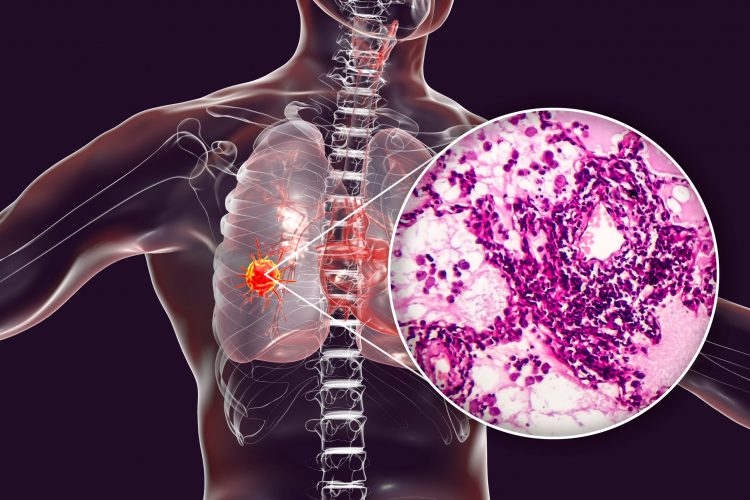
RELATED MEDICAL ISSUES RIGHT NOW! #6: Lepidic Growth Adenocarcinoma – A Cancer I’ve Never Heard Of…
From the first moment my wife discovered she had breast cancer, there was a deafening silence from the men I know. Even ones whose wives, mothers or girlfriends had breast cancer seemed to have received a gag order from some Central Cancer Command and did little more than mumble about the experience. Not one to shut up for any known reason, I started this blog…
From the first moment I discovered my dad had been diagnosed with Alzheimer’s, it seemed like I was alone in this ugly place. Even ones who had loved ones suffering in this way; even though people TALKED about the disease, it felt for me like they did little more than mumble about the experience. Not one to shut up for any known reason, I added a section to this blog…
The immediate crisis that was Breast Cancer and Alzheimer’s have passed. There are, however ancillary issues like testing and treatments that may not be directly related to BC or A but intersect with them. Harvested from different websites, journals and podcasts, I’ll translate them into understandable English and share them with you. Today: A cancer I’ve never heard of…
“Lepidic growth adenocarcinoma is defined as tumor cells proliferating along the surface of intact alveolar walls without stromal or vascular invasion pathologically (1). The traditional viewpoint has been that of Noguchi, who demonstrated that localized bronchioloalveolar carcinoma (LBAC) showed replacement growth of alveolar-lining epithelial cells with a relatively thin stroma, that LBAC with foci of structural collapse of alveoli were in situ peripheral adenocarcinoma, and that lung cancer patients with these LABCs achieved 100% survival after lobectomy.”
OK – so first of all, I know it’s a form of lung cancer.
I’ve looked at breast cancer that has metastasized to the lungs here: https://breastcancerreaper.blogspot.com/2018/12/encore-100-metastatic-breast-cancer.html. NOT the same thing, but it’s going to give me a foundation on which to build.
“Nearly 40% of lung cancers are adenocarcinomas, which usually originate in peripheral lung tissue. Most cases of adenocarcinoma are associated with smoking; however, among people who have smoked fewer than 100 cigarettes in their lifetimes ("never-smokers"), adenocarcinoma is the most common form of lung cancer. A subtype of adenocarcinoma, the bronchioloalveolar carcinoma, is more common in female never-smokers, and may have a better long-term survival. This cancer usually is seen peripherally in the lungs, as opposed to small cell lung cancer and squamous cell lung cancer, which both tend to be more centrally located.”
“Adenocarcinomas In-Situ lesions are classified as small tumors <3 cm with abnormal type II pneumocyte cell growth that is limited to the alveolar spaces i.e. without invasion into the stroma, pleura, or vasculature. This type of growth is termed ‘lepidic’ and is characteristic of adenocarcinoma of the lung in its earliest stages.”
OK – so here’s what I now understand. The word itself – adenocarcinoma, is derived from adeno-, meaning ‘pertaining to a gland’, and carcinoma, which describes a cancer that has developed in the epithelial cells.” This cancer grows INSIDE the tiny sacs in the lungs called the “alveoli”. Like all cancers, this is about cells growing out of control rather in their normal, programmed way. Instead of doing their job of replacing worn cells in the alveoli, they begin to grow out of control, creating areas of this wild cell growth called lesions.
The word “lepidic” means creating scales or a scaly covering. “The number of alveoli and alveolar sacs are what give your lungs a spongy consistency. Now remember that the alveoli are TINY! Each alveolus is about 0.2 millimeters in diameter (about 0.008 inches). [Comparison: the period at the end of a sentence is 1 and a half mm across; an alveoli is less than half of that across. There are about 600 million alveoli in your lungs and if you stretched them out, they would cover an entire tennis court.]
Each alveolus is cup-shaped with very thin walls. When you take a breath, each alveoli with expand into a little balloon, and when you exhale, they deflate – sort of like a deflated basketball (when it forms a sort of bowl). The “scales” look make it hard for the “balloon” to inflate.
So, to freely interpret: these cancer cells, instead of being flexible balloon-like sacs in your lungs are thicker and don’t’ stretch – which means the alveoli can’t expand. If they don’t expand, they can take in CO2; and they can’t get rid of it, so you feel short-of-breath…which is one of the symptoms of any kind of lung cancer.
The GOOD thing here is that, they believe they caught it early and that (as of the email) it’s only in one lung. Based on that and a generic reading on the internet: “Relative survival rates for non-small-cell lung cancer (NSCLC): Almost 90% of lung cancers are this type. The National Cancer Institute’s database breaks down the cancers by how far the tumors have spread. These relative survival rates are the average percentages of people who are alive 5 years after diagnosis. Localized (cancer is confined to one lung): 60%.” I’m sure I’ll hear more details as time goes on; and I’ll be able to pray over the cancer more specifically.
Until then, I’ll be praying based on my research.
Resources: https://www.ncbi.nlm.nih.gov/pmc/articles/PMC5059295/#:~:text=Lepidic%20growth%20adenocarcinoma%20is%20defined,that%20of%20Noguchi%20et%20al., https://en.wikipedia.org/wiki/Adenocarcinoma, https://www.drugtargetreview.com/news/64834/proteomic-map-of-human-lung-adenocarcinoma-revealed/, https://kidshealth.org/en/kids/lungs.html#:~:text=At%20the%20end%20of%20each,cover%20an%20entire%20tennis%20court.
Image: https://encrypted-tbn0.gstatic.com/images?q=tbn:ANd9GcQWFDJVgpz0G9kdb-eRXgRxMiv-Qz-Moaiw9w&usqp=CAU
From the first moment I discovered my dad had been diagnosed with Alzheimer’s, it seemed like I was alone in this ugly place. Even ones who had loved ones suffering in this way; even though people TALKED about the disease, it felt for me like they did little more than mumble about the experience. Not one to shut up for any known reason, I added a section to this blog…
The immediate crisis that was Breast Cancer and Alzheimer’s have passed. There are, however ancillary issues like testing and treatments that may not be directly related to BC or A but intersect with them. Harvested from different websites, journals and podcasts, I’ll translate them into understandable English and share them with you. Today: A cancer I’ve never heard of…
“Lepidic growth adenocarcinoma is defined as tumor cells proliferating along the surface of intact alveolar walls without stromal or vascular invasion pathologically (1). The traditional viewpoint has been that of Noguchi, who demonstrated that localized bronchioloalveolar carcinoma (LBAC) showed replacement growth of alveolar-lining epithelial cells with a relatively thin stroma, that LBAC with foci of structural collapse of alveoli were in situ peripheral adenocarcinoma, and that lung cancer patients with these LABCs achieved 100% survival after lobectomy.”
OK – so first of all, I know it’s a form of lung cancer.
I’ve looked at breast cancer that has metastasized to the lungs here: https://breastcancerreaper.blogspot.com/2018/12/encore-100-metastatic-breast-cancer.html. NOT the same thing, but it’s going to give me a foundation on which to build.
“Nearly 40% of lung cancers are adenocarcinomas, which usually originate in peripheral lung tissue. Most cases of adenocarcinoma are associated with smoking; however, among people who have smoked fewer than 100 cigarettes in their lifetimes ("never-smokers"), adenocarcinoma is the most common form of lung cancer. A subtype of adenocarcinoma, the bronchioloalveolar carcinoma, is more common in female never-smokers, and may have a better long-term survival. This cancer usually is seen peripherally in the lungs, as opposed to small cell lung cancer and squamous cell lung cancer, which both tend to be more centrally located.”
“Adenocarcinomas In-Situ lesions are classified as small tumors <3 cm with abnormal type II pneumocyte cell growth that is limited to the alveolar spaces i.e. without invasion into the stroma, pleura, or vasculature. This type of growth is termed ‘lepidic’ and is characteristic of adenocarcinoma of the lung in its earliest stages.”
OK – so here’s what I now understand. The word itself – adenocarcinoma, is derived from adeno-, meaning ‘pertaining to a gland’, and carcinoma, which describes a cancer that has developed in the epithelial cells.” This cancer grows INSIDE the tiny sacs in the lungs called the “alveoli”. Like all cancers, this is about cells growing out of control rather in their normal, programmed way. Instead of doing their job of replacing worn cells in the alveoli, they begin to grow out of control, creating areas of this wild cell growth called lesions.
The word “lepidic” means creating scales or a scaly covering. “The number of alveoli and alveolar sacs are what give your lungs a spongy consistency. Now remember that the alveoli are TINY! Each alveolus is about 0.2 millimeters in diameter (about 0.008 inches). [Comparison: the period at the end of a sentence is 1 and a half mm across; an alveoli is less than half of that across. There are about 600 million alveoli in your lungs and if you stretched them out, they would cover an entire tennis court.]
Each alveolus is cup-shaped with very thin walls. When you take a breath, each alveoli with expand into a little balloon, and when you exhale, they deflate – sort of like a deflated basketball (when it forms a sort of bowl). The “scales” look make it hard for the “balloon” to inflate.
So, to freely interpret: these cancer cells, instead of being flexible balloon-like sacs in your lungs are thicker and don’t’ stretch – which means the alveoli can’t expand. If they don’t expand, they can take in CO2; and they can’t get rid of it, so you feel short-of-breath…which is one of the symptoms of any kind of lung cancer.
The GOOD thing here is that, they believe they caught it early and that (as of the email) it’s only in one lung. Based on that and a generic reading on the internet: “Relative survival rates for non-small-cell lung cancer (NSCLC): Almost 90% of lung cancers are this type. The National Cancer Institute’s database breaks down the cancers by how far the tumors have spread. These relative survival rates are the average percentages of people who are alive 5 years after diagnosis. Localized (cancer is confined to one lung): 60%.” I’m sure I’ll hear more details as time goes on; and I’ll be able to pray over the cancer more specifically.
Until then, I’ll be praying based on my research.
Resources: https://www.ncbi.nlm.nih.gov/pmc/articles/PMC5059295/#:~:text=Lepidic%20growth%20adenocarcinoma%20is%20defined,that%20of%20Noguchi%20et%20al., https://en.wikipedia.org/wiki/Adenocarcinoma, https://www.drugtargetreview.com/news/64834/proteomic-map-of-human-lung-adenocarcinoma-revealed/, https://kidshealth.org/en/kids/lungs.html#:~:text=At%20the%20end%20of%20each,cover%20an%20entire%20tennis%20court.
Image: https://encrypted-tbn0.gstatic.com/images?q=tbn:ANd9GcQWFDJVgpz0G9kdb-eRXgRxMiv-Qz-Moaiw9w&usqp=CAU
Sunday, January 30, 2022
ENCORE! #176! – Lymphedema -- Another "For-the-Rest-of-Your-Life" Thing...
From the first moment my wife discovered she had breast cancer in March of 2011, there was a deafening silence from the men I knew. Even ones whose wives, mothers or girlfriends had breast cancer seemed to have received a gag order from some Central Cancer Command and did little more than mumble about the experience. Not one to shut up for any known reason, I started this blog…That was four years ago – as time passed, people searching for answers stumbled across my blog and checked out what I had to say. The following entry first appeared in February of 2012…
Once the surgery was over and the “main” healing begun, we talked with my wife’s cancer care team and they introduced us to lymphedema.
First of all, “What is lymphedema?”
Let’s begin with an overview of the body system affected by this. Lymph is a clear fluid that lies in between the cells of the body. It’s there to feed the cells and to carry away waste. It comes from the blood itself and (to put it as simply as possible), “leaks” out of the tiny vessels that carry blood. It leave the red blood cells behind and if it were not cleared out, it would cause a massive amount of swelling.
Another system of vessels call the lymphatic system, “vacuums up” that lymph and carries it back to the heart.
HOWEVER, where the circulatory system as the heart to push the blood around, the lymphatic system HAS NO HEART!
The only way to lymph can move around is by you and I moving. The movement of our muscles presses the lymph into the collection spots called the lymph nodes. These nodes are a gathered at very specific points in our bodies – the places where we move the most, the joints. Behind the knees, in the groin, the elbows, the armpits, the neck is where you’ll find large clusters of nodes. In addition you can find nodes in the lungs, underneath the chest muscles, along the spine as well as numerous other places in the body.
These nodes not only collect lymph to pass it back to the heart, they are also places where white blood cells made in the bone marrow, thymus, spleen and tonsils are gathered to be redistributed through the bloodstream to fight disease in the body.
The nodes are vital in moving the lymph fluid around and when some are removed during a mastectomy, the ease with which lymph can be moved is weakened. Even though there are still nodes under the muscles and in places besides the nodes – and so removal doesn’t instantly STOP the movement of lymph – it does reduce how much lymph can be moved around.
You probably already know that white blood cells fight disease. They also fight infections as well. When you get a cut or have surgery, white blood cells are moved by the body through the blood stream to the wound and often times leave the bloodstream to fight the infection. Once the infection is past, the white blood cells need to be transported back to the heart to go back into the bloodstream again.
When nodes are removed through surgery (or other damage or illness), the process takes much longer to “clear out” the white blood cells and the other extra fluid that the wound or damage caused. Because blood never stops flowing at its regular rate, fluid is still NORMALLY leaking out between cells. When you add the normal fluid leakage to the extra fluid and white blood cells from an infection, you get too much fluid in one place. This is called lymphedema (lymph of course, is what we’ve been talking about here; “edema” is a Greek word that means “to swell”).
The second question is: “What can I do about it?”
Once the surgery was over and the “main” healing begun, we talked with my wife’s cancer care team and they introduced us to lymphedema.
First of all, “What is lymphedema?”
Let’s begin with an overview of the body system affected by this. Lymph is a clear fluid that lies in between the cells of the body. It’s there to feed the cells and to carry away waste. It comes from the blood itself and (to put it as simply as possible), “leaks” out of the tiny vessels that carry blood. It leave the red blood cells behind and if it were not cleared out, it would cause a massive amount of swelling.
Another system of vessels call the lymphatic system, “vacuums up” that lymph and carries it back to the heart.
HOWEVER, where the circulatory system as the heart to push the blood around, the lymphatic system HAS NO HEART!
The only way to lymph can move around is by you and I moving. The movement of our muscles presses the lymph into the collection spots called the lymph nodes. These nodes are a gathered at very specific points in our bodies – the places where we move the most, the joints. Behind the knees, in the groin, the elbows, the armpits, the neck is where you’ll find large clusters of nodes. In addition you can find nodes in the lungs, underneath the chest muscles, along the spine as well as numerous other places in the body.
These nodes not only collect lymph to pass it back to the heart, they are also places where white blood cells made in the bone marrow, thymus, spleen and tonsils are gathered to be redistributed through the bloodstream to fight disease in the body.
The nodes are vital in moving the lymph fluid around and when some are removed during a mastectomy, the ease with which lymph can be moved is weakened. Even though there are still nodes under the muscles and in places besides the nodes – and so removal doesn’t instantly STOP the movement of lymph – it does reduce how much lymph can be moved around.
You probably already know that white blood cells fight disease. They also fight infections as well. When you get a cut or have surgery, white blood cells are moved by the body through the blood stream to the wound and often times leave the bloodstream to fight the infection. Once the infection is past, the white blood cells need to be transported back to the heart to go back into the bloodstream again.
When nodes are removed through surgery (or other damage or illness), the process takes much longer to “clear out” the white blood cells and the other extra fluid that the wound or damage caused. Because blood never stops flowing at its regular rate, fluid is still NORMALLY leaking out between cells. When you add the normal fluid leakage to the extra fluid and white blood cells from an infection, you get too much fluid in one place. This is called lymphedema (lymph of course, is what we’ve been talking about here; “edema” is a Greek word that means “to swell”).
The second question is: “What can I do about it?”
Lymphedema is treated by pushing the extra fluid back to where it belongs by helping the muscles and lymph nodes that are missing. Often this involves using massage as well as a compression garment: “The most common treatments for lymphedema are a combination of manual compression lymphatic massage, compression garments or bandaging.” Regular exercise is also helpful (see last week’s article on exercise: http://breastcancerreaper.blogspot.com/2012/01/10-exercise-hints-for-cancer-folk-and.html for some pointers!)
This is very straightforward, does not appear in any of the reading I did to be something to PANIC about…it does however require an awareness of what’s happening in your body and how to deal with it!
Image: https://c2.staticflickr.com/6/5527/10893068965_1d328e8f71_b.jpg
This is very straightforward, does not appear in any of the reading I did to be something to PANIC about…it does however require an awareness of what’s happening in your body and how to deal with it!
Image: https://c2.staticflickr.com/6/5527/10893068965_1d328e8f71_b.jpg
Sunday, January 23, 2022
RELATED MEDICAL ISSUES RIGHT NOW! #5: RACIAL DISPARITIES IN ALZHEIMER’S AND BREAST CANCER SCREENING AND TREATMEN
From the first moment my wife discovered she had breast cancer, there was a deafening silence from the men I know. Even ones whose wives, mothers or girlfriends had breast cancer seemed to have received a gag order from some Central Cancer Command and did little more than mumble about the experience. Not one to shut up for any known reason, I started this blog…From the first moment I discovered my dad had been diagnosed with Alzheimer’s, it seemed like I was alone in this ugly place. Even ones who had loved ones suffering in this way; even though people TALKED about the disease, it felt for me like they did little more than mumble about the experience. Not one to shut up for any known reason, I added a section to this blog…
The immediate crisis that was Breast Cancer and Alzheimer’s have passed. There are, however ancillary issues like testing and treatments that may not be directly related to BC or A but intersect with them. Harvested from different websites, journals and podcasts, I’ll translate them into understandable English and share them with you. Today: Racial and Socioeconomic Effects on Breast Cancer and Alzheimer’s diagnosis and treatment.
If we just take a moment to look at the world today, and the racial and socioeconomic disparities (= MAJOR differences) in how black, Latino, and Asian people are both tested for COVID-19; treated for COVID-19; and how they have been neglected in outreach by cities, states, and the Federal government – and it’s easy to imagine that the same major difference would exist in the screening and treatment for breast cancer and Alzheimer’s.
The research would easily bear out that assertion – IOW, it’s totally true. Black, Latino, and Asians have neither received the same screening opportunities nor the same treatment for breast cancer and Alzheimer’s when compared to whites.
Below you’ll find links to some of the research – and my translating comments – regarding this frustratingly common issue.
“Among the 55 678 breast cancer screenings in April to December 2019: 45,572 patients were White (about 82 percent); 54,620 patients lived in cities (98 percent), and 22 761 had their own insurance (41 percent).
“From 2019 to the same period in 2020, only half of the people who had the year before were screened! From 2019 to 2020 for women there were 64 percent fewer Hispanic who came in for BC screening. 61 percent less American Indian/Alaska Native women came in for BC screening. 55 percent fewer Asian women came in, and 54 percent less Black women were screened. The number of white women only dropped by 49 percent. Women living outside of the big cities came even LESS than city women. Finally, women who self-paid for treatment and who were insured by Medicaid experienced the largest reduction in screening.” In brief, poor women and indigenous women of color got screened for breast cancer, during COVID-19, less than their white counterparts. Those worst off? Women without insurance who lived in the country.
It MUST be different for Alzheimer’s, right? All cultures respect their elders and want to take care of them!
“Findings from two national surveys appearing in the Alzheimer’s Association report reveal that…more than 36 percent of Black Americans, 18 percent of Hispanic Americans, and 19 percent of Asian Americans (19%) believe that discrimination would be a barrier to receiving Alzheimer’s care.”
Worse still, “In addition, half or more of non-White caregivers say they have experienced discrimination when navigating health care settings for their care recipient.” This I can attest to witnessing myself. BOTH of my parents and the white care staff at the facility my parents stayed in as they deteriorated from complications of congestive heart failure (Mom) followed by age-related dementia; and Dad, who was diagnosed with Alzheimer’s six years before he died…behaved in the way cited by the study. (Linked below)
As a rule, “…health and socioeconomic disparities and systemic racism contribute to increased Alzheimer’s and dementia risk in communities of color. According to the report, older Blacks and Hispanics are disproportionately more likely to have Alzheimer’s and other dementias. In addition, both groups are more likely to have missed diagnoses than older Whites.”
Perhaps the saddest statistic I came across while reading these is this: “More than one-third of Native Americans and nearly 3 in 10 Hispanics do not believe they will live long enough to develop Alzheimer’s or another dementia."
Wow…outside of the white community, we have a long, long way to go in learning how to deal with Breast Cancer and Alzheimer’s issues…
Resources: https://www.sistersnetworkinc.org/index.html , https://www.alz.org/media/Documents/alzheimers-facts-and-figures-special-report.pdf, [A website specifically targeted to Black women and breast cancer]: https://www.sistersnetworkinc.org/index.html,
https://jamanetwork.com/journals/jamanetworkopen/fullarticle/2780067, https://www.alz.org/news/2021/new-alzheimers-association-report-examines-racial
Image: https://cdn.mos.cms.futurecdn.net/zsbWK9QgLFjUJwawbWaYnW-970-80.jpg.webp
The immediate crisis that was Breast Cancer and Alzheimer’s have passed. There are, however ancillary issues like testing and treatments that may not be directly related to BC or A but intersect with them. Harvested from different websites, journals and podcasts, I’ll translate them into understandable English and share them with you. Today: Racial and Socioeconomic Effects on Breast Cancer and Alzheimer’s diagnosis and treatment.
If we just take a moment to look at the world today, and the racial and socioeconomic disparities (= MAJOR differences) in how black, Latino, and Asian people are both tested for COVID-19; treated for COVID-19; and how they have been neglected in outreach by cities, states, and the Federal government – and it’s easy to imagine that the same major difference would exist in the screening and treatment for breast cancer and Alzheimer’s.
The research would easily bear out that assertion – IOW, it’s totally true. Black, Latino, and Asians have neither received the same screening opportunities nor the same treatment for breast cancer and Alzheimer’s when compared to whites.
Below you’ll find links to some of the research – and my translating comments – regarding this frustratingly common issue.
“Among the 55 678 breast cancer screenings in April to December 2019: 45,572 patients were White (about 82 percent); 54,620 patients lived in cities (98 percent), and 22 761 had their own insurance (41 percent).
“From 2019 to the same period in 2020, only half of the people who had the year before were screened! From 2019 to 2020 for women there were 64 percent fewer Hispanic who came in for BC screening. 61 percent less American Indian/Alaska Native women came in for BC screening. 55 percent fewer Asian women came in, and 54 percent less Black women were screened. The number of white women only dropped by 49 percent. Women living outside of the big cities came even LESS than city women. Finally, women who self-paid for treatment and who were insured by Medicaid experienced the largest reduction in screening.” In brief, poor women and indigenous women of color got screened for breast cancer, during COVID-19, less than their white counterparts. Those worst off? Women without insurance who lived in the country.
It MUST be different for Alzheimer’s, right? All cultures respect their elders and want to take care of them!
“Findings from two national surveys appearing in the Alzheimer’s Association report reveal that…more than 36 percent of Black Americans, 18 percent of Hispanic Americans, and 19 percent of Asian Americans (19%) believe that discrimination would be a barrier to receiving Alzheimer’s care.”
Worse still, “In addition, half or more of non-White caregivers say they have experienced discrimination when navigating health care settings for their care recipient.” This I can attest to witnessing myself. BOTH of my parents and the white care staff at the facility my parents stayed in as they deteriorated from complications of congestive heart failure (Mom) followed by age-related dementia; and Dad, who was diagnosed with Alzheimer’s six years before he died…behaved in the way cited by the study. (Linked below)
As a rule, “…health and socioeconomic disparities and systemic racism contribute to increased Alzheimer’s and dementia risk in communities of color. According to the report, older Blacks and Hispanics are disproportionately more likely to have Alzheimer’s and other dementias. In addition, both groups are more likely to have missed diagnoses than older Whites.”
Perhaps the saddest statistic I came across while reading these is this: “More than one-third of Native Americans and nearly 3 in 10 Hispanics do not believe they will live long enough to develop Alzheimer’s or another dementia."
Wow…outside of the white community, we have a long, long way to go in learning how to deal with Breast Cancer and Alzheimer’s issues…
Resources: https://www.sistersnetworkinc.org/index.html , https://www.alz.org/media/Documents/alzheimers-facts-and-figures-special-report.pdf, [A website specifically targeted to Black women and breast cancer]: https://www.sistersnetworkinc.org/index.html,
https://jamanetwork.com/journals/jamanetworkopen/fullarticle/2780067, https://www.alz.org/news/2021/new-alzheimers-association-report-examines-racial
Image: https://cdn.mos.cms.futurecdn.net/zsbWK9QgLFjUJwawbWaYnW-970-80.jpg.webp
Sunday, January 16, 2022
ENCORE #175! – All Quiet On The Western Front
From the first moment my wife discovered she had breast cancer in March of 2011, there was a deafening silence from the men I knew. Even ones whose wives, mothers or girlfriends had breast cancer seemed to have received a gag order from some Central Cancer Command and did little more than mumble about the experience. Not one to shut up for any known reason, I started this blog…That was four years ago – as time passed, people searching for answers stumbled across my blog and checked out what I had to say. The following entry first appeared in July of 2012…ten years ago.
Like most of you, I recognized this blog title as the name of an old book – maybe an old war movie.
I’d assumed it was about World War II, I suppose because that’s the war I’m “familiar” with.
It’s neither and it fits even better my current state of mind.
The main characters of the book are German boys sent to the Western Front – the leading edge of the German invasion into France and a place where the war essentially “stopped”. From its closest approach to Paris in September of 1914 to the position the Allies pushed them back to 1916 and where the war stagnated, little of import happened there. That is the thrust of the book. From the ground, when you are young and the horrors of war can’t possibly match anything you’ve ever seen, “nothing happens”.
The problem is that while nothing appears to change on the Front, nothing also changes back home. When you return home, while everyone is glad to see you and everything is just as you left it – you are no longer the same person who went to war. You have seen things you can’t even explain to those who remained behind.
In the book, ALL QUIET ON THE WESTERN FRONT, the main character, Paul Bäumer is a soldier who—urged on by his school teacher—joined the German army shortly after the war began, and who is all of nineteen years old. Some time later, Paul visits on leave to his home which highlights the cost of the war on his psyche. The town has not changed since he went off to war; however, he finds that he does ‘not belong here anymore, it is a foreign world.’ He feels disconnected from most of the townspeople…not understanding ‘that a man cannot talk of such things.’”
I can understand something of that feeling.
While the breast cancer threat has disappeared, we no longer have to go to chemotherapy sessions and the imminence of the cancer has seemingly faded; it’s not gone from my mind. I am still worried. I still wonder. When I rub my wife’s head, touching the soft hairs that have grown back in the months since chemo ended, everything seems so peaceful.
Everything seems “over”.
But it’s not and I can’t explain that it’s NOT over to people who only ask occasionally now, “How’s your wife?” Some of it is that I don’t have the time to talk about my fears of MBC or the long-term effects of the estrogen-blocking drug she has to take. Some of it is that I don’t want people to think I’m whining and say, “Oh, get over it! She’s fine now! The drama’s over!”
Some of it is that while the drama isn’t on stage any more under the bright lights and makeup, it continues in the body. It continues in my mind. It makes me say things like, “Liz is three-and-a-half-months cancer-free!” and smile and high five people.
It makes me feel things like I do “not belong here anymore, it is a foreign world...a man cannot talk of such things.” I suppose I’m also afraid that I’m “weird” in that I’m not “over it”; or that someone might just look at me and say, “Man! Get over it!”
I’m pretty sure now, nearly a year after the initial diagnosis, that I will never “get over it.”
And, on January 15, 2022, I haven’t…
Image: https://c2.staticflickr.com/6/5527/10893068965_1d328e8f71_b.jpg
Like most of you, I recognized this blog title as the name of an old book – maybe an old war movie.
I’d assumed it was about World War II, I suppose because that’s the war I’m “familiar” with.
It’s neither and it fits even better my current state of mind.
The main characters of the book are German boys sent to the Western Front – the leading edge of the German invasion into France and a place where the war essentially “stopped”. From its closest approach to Paris in September of 1914 to the position the Allies pushed them back to 1916 and where the war stagnated, little of import happened there. That is the thrust of the book. From the ground, when you are young and the horrors of war can’t possibly match anything you’ve ever seen, “nothing happens”.
The problem is that while nothing appears to change on the Front, nothing also changes back home. When you return home, while everyone is glad to see you and everything is just as you left it – you are no longer the same person who went to war. You have seen things you can’t even explain to those who remained behind.
In the book, ALL QUIET ON THE WESTERN FRONT, the main character, Paul Bäumer is a soldier who—urged on by his school teacher—joined the German army shortly after the war began, and who is all of nineteen years old. Some time later, Paul visits on leave to his home which highlights the cost of the war on his psyche. The town has not changed since he went off to war; however, he finds that he does ‘not belong here anymore, it is a foreign world.’ He feels disconnected from most of the townspeople…not understanding ‘that a man cannot talk of such things.’”
I can understand something of that feeling.
While the breast cancer threat has disappeared, we no longer have to go to chemotherapy sessions and the imminence of the cancer has seemingly faded; it’s not gone from my mind. I am still worried. I still wonder. When I rub my wife’s head, touching the soft hairs that have grown back in the months since chemo ended, everything seems so peaceful.
Everything seems “over”.
But it’s not and I can’t explain that it’s NOT over to people who only ask occasionally now, “How’s your wife?” Some of it is that I don’t have the time to talk about my fears of MBC or the long-term effects of the estrogen-blocking drug she has to take. Some of it is that I don’t want people to think I’m whining and say, “Oh, get over it! She’s fine now! The drama’s over!”
Some of it is that while the drama isn’t on stage any more under the bright lights and makeup, it continues in the body. It continues in my mind. It makes me say things like, “Liz is three-and-a-half-months cancer-free!” and smile and high five people.
It makes me feel things like I do “not belong here anymore, it is a foreign world...a man cannot talk of such things.” I suppose I’m also afraid that I’m “weird” in that I’m not “over it”; or that someone might just look at me and say, “Man! Get over it!”
I’m pretty sure now, nearly a year after the initial diagnosis, that I will never “get over it.”
And, on January 15, 2022, I haven’t…
Image: https://c2.staticflickr.com/6/5527/10893068965_1d328e8f71_b.jpg
Subscribe to:
Posts (Atom)

