Saturday, February 27, 2016

ENCORE #32! – “My ______ had breast cancer and...”


https://c2.staticflickr.com/6/5527/10893068965_1d328e8f71_b.jpgFrom the first moment my wife discovered she had breast cancer, there was a deafening silence from the men I know. Even ones whose wives, mothers or girlfriends had breast cancer seemed to have received a gag order from some Central Cancer Command and did little more than mumble about the experience. Not one to shut up for any known reason, I started this blog…That was four years ago – as time passed, people searching for answers stumbled across my blog and checked out what I had to say. The following entry appeared in August of 2012.

The world of breast cancer continues to grow smaller and smaller.

At a wedding we attended a few weeks ago held on Spirit Mountain in Duluth, a former student of mine wh0 has become a friend came up to us as we were leaving for the three hour drive home. He and I embraced as I got teary eyed again, then he embraced my wife and whispered in her ear. Then he got back to the groom business of greeting everyone else.

As we walked to the car, my wife said, “He whispered, ‘Keep on fighting’.”

A few days later, my wife asked me to ask him what he meant.

His reply: “My grandmother fought it for 15 years, in the end it was too much, but she never stopped fighting!!! Those 15 years, though hard fought, allowed her so many joys! [My new wife] also wishs to express her regards. All things are possible!”

Different story, shrinking world: two nights ago, we went to a dinner theater in celebration of 25 years of marriage. My wife booked us a “pot luck” table – which means that there were six seats forming one table, so that we would be sitting with four others we’d never met before.

Ours were the center seats, across from each other. Shortly the others arrived and there were introductions all around and we began to chit chat pleasantly. Dinner ended, the show began then paused for a 20 minute Dessert Intermission. Chatting some more, the woman next to my wife asked about the layered athletic bandages on her arm. My wife explained they were for lymphedema treatment due to breast cancer.

The woman began an animated monologue explaining that she was a massage therapist and frequently worked with breast cancer survivors experiencing lymphedema.

The disease is everywhere. It seems that “everyone knows someone” who is being treated for or who has survived breast cancer. It makes for a small community; it makes for sympathy and strength all around.

It’s a GOOD thing that has happened despite the horror that brought it about, and so I rejoice that my wife continues to be a survivor with a powerful word!

Saturday, February 20, 2016

GUY’S GOTTA TALK ABOUT #22: Invisible, Internal, Injuries…


From the first moment my wife discovered she had breast cancer, there was a deafening silence from the men I know. Even ones whose wives, mothers or girlfriends had breast cancer seemed to have received a gag order from some Central Cancer Command and did little more than mumble about the experience. Not one to shut up for any known reason, I started this blog…
Most of the men I know understand the sheer frustration of the “intermittent noise” from when they were young, studly, and did all of their own car work – not because they were interested in being amateur auto mechanics, but because there was no other choice. Someone from a garage working on your car was pretty much out of the question. It was do-it-yourself or stop driving.

Somewhere during the amateur auto mechanic era, you ran across the ultimate irritation: the thing that only happens sometimes. The engine only overheats…sometimes. The brakes seem to grind like two sandstone bricks. The oil light flickers when slow down to a certain speed. The engine smokes a little when you turn the steering wheel hard…

They would drive you not only crazy, but to distraction. Driving down the highway, intentionally as close to the barrier wall as you can, window rolled down so you can listen for “that weird noise”…as you drift out of the lane and on to the shoulder!

I thought those days were over until a couple weekends ago.

My wife and I were watching TV and the remote slid to the floor. We’d get it later. Then our daughter called, my wife reached to get the remote to pause the DVD; chest against the arm of the couch...and gasped, sitting up, answering the phone, and chatting with our daughter. When she hung up, she gasped, “It feels like a knife between my ribs!”

She laid back for a while, but we eventually headed to the ER of our local hospital, waiting until someone could come and tell us…pretty much nothing. “Might have torn some muscle tissue beneath the implant.” Pause. “But we can’t see anything with an X-ray, so we’ll give you some pain relievers and call it a night. See your regular doctor if you have more pain.”

OK. Helpful, but not overly helpful.

My wife had commented then and over the next few days that it seemed like something under the implant was “hitching”. I watched the following video, in particular for us: https://www.youtube.com/watch?v=2KcXt3dJI_w

While there’s nothing to “hitch” on the muscle, it certainly seems possible that some of the stitching might have torn. I know that the actual stitches are long healed; but despite scar formation, it would seem to me that the edges would be weaker than the original, uncut tissue. I’m not a surgeon, but it seems POSSIBLE.

I DID find some comments on muscle tearing, pain, and bruising under the implant last night, but I lost them when my “history” cleared overnight. I seem to recall that using a CT and/or ultrasound might be able to detect problems, but I can’t find the reference. I’ll keep looking and get back to you. For now, the pain seems to be lessening – but she still feels the “hitch”. She’ll be checking with her oncologist in March, so maybe we can find out something then…

Saturday, February 13, 2016

ENCORE #31! – The Post-Cancer Crash


https://c2.staticflickr.com/6/5527/10893068965_1d328e8f71_b.jpgFrom the first moment my wife discovered she had breast cancer, there was a deafening silence from the men I know. Even ones whose wives, mothers or girlfriends had breast cancer seemed to have received a gag order from some Central Cancer Command and did little more than mumble about the experience. Not one to shut up for any known reason, I started this blog…That was four years ago – as time passed, people searching for answers stumbled across my blog and checked out what I had to say. The following entry appeared in June 2012…

Right after the literal and economic “boom” of WWI, came the Roaring Twenties. Life was good, coming together as Americans during The War Against The Kaiser had been followed by the heady rush of becoming a World Power, and it looked like the future was going to be bright, indeed.

Right after WWII came the Fabulous Fifties when America could do no wrong and we invented everything from hula hoops to the H-bomb and Elvis Presley.

The Great Depression came crashing down on the heels of the Roaring Twenties and the Fabulous Fifties were followed by the riots and assassinations of the Tumultuous Sixties.

For me, the bravery, positive outlook, and grand support of the Diagnosis, Surgery and Treatment year has come crashing down around my ears as the Post-Cancer Crash. Chemo is done, regular “How’s your wife doing this week?”s have dwindled to the occasional, off-hand query usually briefly answered.

My pink shoelaces are tattered and my wristband is dirty and faded. I am, quite frankly, left feeling depressed. No one’s fault but my own as there appears to be no more battle to fight. There’s no more heart-stopping terror to overcome. And really? My wife is alive and hasn’t felt better in YEARS!

So what’s up with me? I should be dancing on streets of gold, lolling about in Paradise, praising God from the rooftops, the skyscraper tops. Instead, I’m feeling quietly contemplative and a bit sad.

Ecclesiastes 3:1-9 talks about the fact that there are times in a person’s life that are given over to various things. Perhaps the past year was “a time to kill (cancer)...weep...be silent...war (on cancer)...hate (cancer)”.

In the same way – and in a NOT BAD way, perhaps now is “a time to heal...build up…a time for peace.” Perhaps now is the time to start growing again as well.

Perhaps now is a time to come back to life again. Perhaps now is “a time to throw away” the bitterness, anger and fear I’ve lived with for the past 18 months.

Take a deep breath. Hold it. Now release. Repeat.

There’s a faint smile on my face right now, so this must be the right thing to do...


Saturday, February 6, 2016

BREAST CANCER RESEARCH RIGHT NOW! #42: Checkpoint Inhibitors – Using the Cancer Victim’s Body To Fight Back


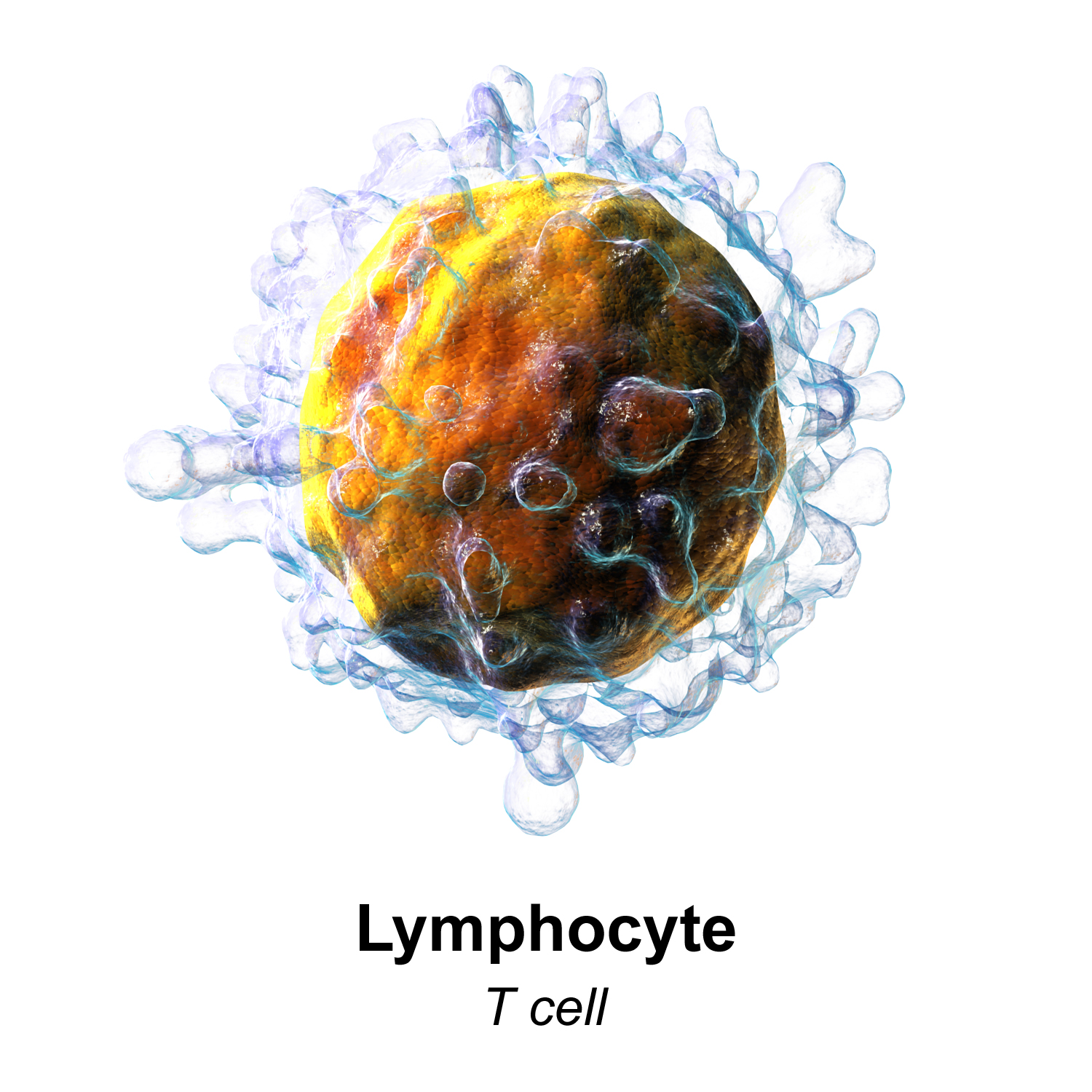
https://upload.wikimedia.org/wikipedia/commons/6/63/Blausen_0625_Lymphocyte_T_cell.pngFrom the first moment my wife discovered she had breast cancer, there was a deafening silence from the men I know. Even ones whose wives, mothers or girlfriends had breast cancer seemed to have received a gag order from some Central Cancer Command and did little more than mumble about the experience. Not one to shut up for any known reason, I started this blog…

Every month, I’ll be highlighting breast cancer research that is going on RIGHT NOW! Harvested from different websites, journals and podcasts, I’ll translate them into understandable English and share them with you. Today: See the links below!

Doctors have known about checkpoint inhibitors for years, but when dealing with cancer and the action and reaction of the body at the CELL level, it takes time and effort to understand what is happening.

For starters, we all know that cancer cells are ones that have started to grow uncontrollably, creating a tumor. There are over a hundred different cancers that affect the human body. Many of these can cause breast cancer. Even within the types that cause breast cancer, there are other, even more specific types – it’s like saying that you have DOGS. Within that kind of mammal, there are many kinds of dogs. If you choose one type, say Retrievers, you have black labs, chocolate labs, and golden labs t0 name a few. Breast cancer is like that.

What every cancer cell of any type has in common with every other type, is the ability to fool the body into thinking that it’s “just a normal cell”. When it does that, the normal body response of sending T-cells to wipe out invaders is fooled. These T-cells are strong. Very strong. If they get out of control, it can cause horrific damage through a type of reaction called an “auto-immune disease”. The best known of these is rheumatoid arthritis in which the body attacks itself. So T-cells have very tough “leashes” to keep them under control.

A T-cell arrives to attack an internal invader, but the skin of the cancer cell says, “Nobody here but us fat cells! False alarm! Go away! We’re cool!” The cancer has fooled the T-cell and gets off scot-free, continuing to grow out of control.

"Immune checkpoints are molecules in the immune system that either turn up a signal (co-stimulatory molecules) or turn down a signal. Many cancers protect themselves from the immune system by inhibiting the T cell signal.”

What’s that mean? Just that these “immune checkpoint molecules” are signals that tell the rest of the T-cells what to do and where to do it. Cancer blocks or muffles the signal so that the body doesn’t respond as strongly as it should, so the cancer keeps growing.

So what City of Hope is saying is that one of the future therapies may be to

“blockade [the] immune checkpoints” of cancer cells. Your body has many ways to stop the T-cells from getting out of control – checkpoints. You might imagine them as similar to the old “Checkpoint Charlie”, the famous gate from the Cold War through which people from East Berlin and West Berlin could pass from one city to another.

“Immune checkpoints refer to a plethora of inhibitory pathways hardwired into the immune system that are crucial for maintaining self-tolerance and modulating the duration and amplitude of physiological immune responses in peripheral tissues in order to minimize collateral tissue damage.” In plain English? These checkpoints keep your body from attacking itself as well as make NECESSARY immune responses strong and clearly aimed at the invading cells.

 “It is now clear that tumours co-opt certain immune-checkpoint pathways as a major mechanism of immune resistance”, in other words, cancer cells take over those checkpoints and tell the T-cells that they’re OK. The body stops attacking and the tumor grows out of control until it’s removed surgically, with radiation, or with chemicals.

So, there’s LOTS of research going on now to create a treatment that will boost the signal from the T-cell that encounters a cancer cell in order to tell the rest of the body that an invasion has begun. The treatment IS NOT READY, but the research is promising!


Saturday, January 30, 2016

ENCORE #30 – “HOLD ON THERE BABA LOUIE!” – Exercise “reduces cytokines in adipose tissue” might be PURE HYPE!


https://c2.staticflickr.com/6/5527/10893068965_1d328e8f71_b.jpgFrom the first moment my wife discovered she had breast cancer, there was a deafening silence from the men I know. Even ones whose wives, mothers or girlfriends had breast cancer seemed to have received a gag order from some Central Cancer Command and did little more than mumble about the experience. Not one to shut up for any known reason, I started this blog…That was four years ago – as time passed, people searching for answers stumbled across my blog and checked out what I had to say. The following entry appeared in May of 2012…

Doctors harp on exercise.

Despite the harping – or in my case, perversely because of it – I avoid exercise like the plague.

Even so, as I read more and more sites promoting the “exercise makes you better if you have breast cancer” meme, I found that almost none of them give any kind of evidence as to WHY exercise fights cancer and promotes healing.

So I dug into the sites and finally found some evidence supporting this wild, “Do this one weird thing…” kind of meme. This week, it’s number:

  1. Increased levels of pro-inflammatory factors and decreased levels of anti-inflammatory factors have been linked with increased cancer risk. Physical activity might reduce systemic inflammation alone or in combination with reduction in body weight or composition through reducing inflammatory cytokines in adipose tissue.

What are pro and anti-inflammatory factors?
 
Let’s start with CYTOKINES and let me warn you, even researchers are a bit fuzzy about these molecules, which explains the “might” in the paragraph above. We’ll take this subject as a “details at 11” kind of thing – it’s changing every day, but TODAY and to the best of our knowledge, we can say that we’re pretty sure that cytokines are small molecules that are given off by numerous cells and are used to communicate with each other. Cytokines are a large and diverse family of molecules with many jobs. One thing we are pretty sure they do to control the immune system – that collection of white blood cells and chemicals that spring to work when you’re hurt or sick and the body has to fight off an infection. The line between cytokines and hormones is also pretty blurry but PROBABLY, cytokines come from lots of places and there are only set amounts in the blood – though that amount can leap up during trauma or infection. Hormone levels are steady. Many cells produce cytokines. Most hormones come from specific glands (adrenal, pancreas, etc). Also, while usually specific, some cytokines act like hormones to have an effect on the entire body. Last of all, some cytokines act outside the immune system and affect the development of the human body.

As to breast cancer, at least one cytokine affects both the presence of and severity of breast cancer: “In a study published in the January 15th issue of Cancer Research…researchers showed that activation of the CXCR4 [cytokine] receptors [on the cancer cells] resulted in increased tumor growth and metastasis…and less dependent on estrogen for continued growth…to become metastatic and resistant to endocrine therapy…[in] A second study published in the current issue of Surgery…authors reported that all benign breast tissues had no detectable CXCR4 levels, whereas all 101 breast cancer patients showed at least some level of this cytokine receptor.  Of these breast cancer patients, 79 had low levels of CXCR4 and 22 had high levels of CXCR4.  These high CXCR4 levels were linked with increased breast cancer recurrence and worse chances of survival…overexpression of CXCR4 cytokine receptors is linked to worse breast cancer outcomes…blocking this pathway might become a valuable breast cancer treatment for patients overexpressing this cytokine receptor.”
 
The big “might” up above has given breast cancer, cytokines and exercise a high level of interest. The third reference below cites a study that, as of my referencing of it, was still recruiting participants.

So – I’m going to label THIS particular aspect of exercise and breast cancer as a big MAYBE, LET’S WAIT AND SEE. So don’t go spreading the word that exercise reduces cytokines and decreases breast cancer.

Nobody knows enough yet to say one way or the other.

Saturday, January 23, 2016

GUY’S GOTTA TALK ABOUT #21: Gilda’s Club


From the first moment my wife discovered she had breast cancer, there was a deafening silence from the men I know. Even ones whose wives, mothers or girlfriends had breast cancer seemed to have received a gag order from some Central Cancer Command and did little more than mumble about the experience. Not one to shut up for any known reason, I started this blog…

I had never heard of Gilda’s Club until a month or so ago.

Then  my daughter interviewed there for a position as a sort of “field test” or “pre-internship” in her master’s degree program in art therapy.

According to Wikipedia, “Gilda's Club was founded by Joanna Bull, Radner's cancer psychotherapist along with Radner's widower, Gene Wilder (himself a cancer survivor) and broadcaster Joel Siegel (who died after a long battle with the disease). The first club opened in New York City in 1995, after a long fundraising campaign that included movie trailers featuring Wilder in theaters around the country. The organization took its former name from Radner's comment that cancer gave her "membership to an elite club I'd rather not belong to".”

My first reaction was, “WHERE THE F…WAS THIS PLACE WHEN WE STARTED THE HIDEOUS JOURNEY THROUGH CANCER?”

Yeah, my reaction, in my head, really WAS that strong.

The main reason we didn’t know about it was that it wasn’t here. Gilda’s Club opened here in 2014. We started our journey in March of 2011. We’ll be “celebrating” the fifth anniversary of that date this year.

I confess, I still have bitter (VERY) feelings about the lack of support we got at the beginning. My daughter shared something of the same sense after she started working at Gilda’s Club a few weeks ago. In fact, she mentioned that this experience AS a therapist intern might actually BECOME therapeutic for her. When I was on the GC page, I happened to see this:

Current Social Opportunities Offerings are:

•Coloring Club

•Knits Wits

•Euro Cafe Social

•Greet & Eat: Male Caregivers Cooking for Guys Who Can’t Cook – w/ Jack’s Caregiver Coalition

•Open Circle Choir Performance

I confess I teared up. What I would have given to have discovered this group five years ago...it wasn’t there for me, and so I created this blog.

It’s still been a lonely slog. I KNOW I have nearly 30,000 hits here over the past five years, yet I still don’t talk to any other “male caregiver” about the journey. Even though one of the men I work with and chat with on occasion is also a “male caregiver”. The atmosphere at work isn’t conducive to talking at depth.

And so I continue on pretty much in silence, except for these blog entries.

Anyway, it’s GOOD to know that others won’t have to go it alone anymore. Gilda’s Club has twenty-something affiliates in places like New York, Chicago, Seattle, Palm Desert, Fort Lauderdale, Davenport, and besides here, another fifteen or so places. If you want a place near you, click on the link below in Resources. If you’re in the Twin Cities, email me and I can give you a little bit of info.

I’d like to try going to GC, but I still haven’t decided if I want to wallow in my bitterness a little longer or maybe find other men willing to talk about being a caregiver of a breast cancer survivor. I’ll keep you posted.

Image: http://wrex.images.worldnow.com/images/23784252_SA.jpg

Saturday, January 16, 2016

ENCORE #29! – NORMAL LIFE Exercise Reduces Insulin Resistance!


https://c2.staticflickr.com/6/5527/10893068965_1d328e8f71_b.jpg

From the first moment my wife discovered she had breast cancer, there was a deafening silence from the men I know. Even ones whose wives, mothers or girlfriends had breast cancer seemed to have received a gag order from some Central Cancer Command and did little more than mumble about the experience. Not one to shut up for any known reason, I started this blog…That was four years ago – as time passed, people searching for answers stumbled across my blog and checked out what I had to say. The following entry appeared in May of 2012…

Doctors harp on exercise.

Despite the harping – or in my case, perversely because of it – I avoid exercise like the plague.

Even so, as I read more and more sites promoting the “exercise makes you better if you have breast cancer” meme, I found that almost none of them give any kind of evidence as to WHY exercise fights cancer and promotes healing.

So I dug into the sites and finally found some evidence supporting this wild, “Do this one weird thing…” kind of meme. This week, it’s number:

  1. Insulin resistance, hyperinsulinaemia, hyperglycaemia and type 2 diabetes have been linked to increased risk of breast, colon, pancreas and endometrial cancers. Physical activity decreases insulin resistance, reduces hyperinsulinaemia and reduces risk for diabetes, which could explain the link between increased physical activity and reduced risk for these cancers. I talked about the connection between insulin and breast cancer earlier (http://breastcancerreaper.blogspot.com/2012/03/exercise-reduces-estrogen-in-blood-and.html), so I’ll talk more about EXERCISE here.
    But before I go on, I’d like to say something about “non-exercise exercise”. My wife and hero works with kindergartners all day long: teaching reading, going out to recess, going to lunch, chasing down stragglers and generally corralling the little munchkins so much that she comes home with aching feet.
    My question has always been: at what point does what I DO in everyday life become exercise?
    There are advocates of daily exercise that explain: “We don't expend energy doing anything. We've actually engineered regular daily physical activity out of our lives…He says a lot of things stop us from burning calories…We come to work in almost any vocation and we sit. And we sit for eight hours and then we get up and we sit in the motorcar, you know, in automobile and we go home. When we arrive at home, we sit in front of the television. We have frozen TV dinners. We have pre-prepared, prepackaged food that doesn't require energy to collect it. We don't hunt, cook it. It's mostly just put in microwaves and simple systems…We don't even chop vegetables anymore. Bauman says that's very different from the way life used to be. He cites research by a colleague who studied people living and working in a historical Australian village, recreating life in the 19th century…Their energy expenditures were three to five times the amount that people spend today. And that was just a regular person going to and from work. It wasn't a lumberjack or someone who was working on the land or someone who had a huge heavily physical job…And, of course, three to five times more energy expenditure burns a lot more calories… Physical inactivity is a major risk factor for death and for illness. It contributes to about one-sixth of heart disease, cardiovascular disease, about the same for diabetes, about 12 percent for falls in the elderly, and about a tenth of all breast cancer and colon cancer are attributable to being physically inactive.” (Interview, Bauman/Silberner)
    But what if my wife isn’t DOING that? Is what she DOES every day considered “exercise”?
    YES!
    “Even if you don’t have a 15 or 30 minute window to dedicate to yoga or a bike ride, that doesn’t mean you can’t add physical activity to your day. If you're not ready to commit to a structured exercise program, think about physical activity as a lifestyle choice rather than a single task to check off your to-do list. Look at your daily routine and consider ways to sneak in activity here and there. Even very small activities can add up over the course of a day: Clean the house, wash the car, tend to the yard and garden, mow the lawn with a push mower, sweep the sidewalk or patio with a broom; bike or walk to an appointment rather than drive, banish all elevators and use the stairs, briskly walk to the bus stop then get off one stop early, park at the back of the lot and walk into the store or office, take a vigorous walk during your coffee break. Walk while you’re talking on your cell phone; walk or jog around the soccer field during your kid’s practice, make a neighborhood bike ride part of weekend routine, play tag with your children in the yard or play exercise video games. Walk the dog together as a family, or if you don’t have your own dog, volunteer to walk a dog from a shelter. Organize an office bowling team, take a class in martial arts, dance, or yoga with a friend or spouse; gently stretch while watching your favorite show, do push-ups, sit-ups or lift light weights during the commercial breaks—you'll be amazed at how many repetitions you can fit in during the commercials of a half hour show! Better still, once a week turn off the TV and take a walk outside instead”
     
    And the benefit of all they movement?
    The very same ones as ANY form of exercise provides, and in this particular case, it results in an increased effectiveness of insulin in those who are insulin resistant!
    So MOVE! If we can do it, so can you!
     
Image: https://c2.staticflickr.com/6/5527/10893068965_1d328e8f71_b.jpg