Sunday, September 27, 2020

GUY’S GOTTA TALK ABOUT…Alzheimer’s #32: Alzheimer’s in the time of COVID19…part 2

Dad’s diagnosis of Alzheimer’s stayed hidden from everyone until I took over the medical administration of my parents in 2015. Once I found out, there was a deafening silence from most of the people I know even though virtually all of them would add, “My _____ had Alzheimer’s…” But there was little help, little beyond people sadly shaking heads. Or horror stories. Lots of those. Even the ones who knew about the disease seemed to have received a gag order from some Central Alzheimer’s Command and did little more than mumble about the experience. Not one to shut up for any known reason, I started this part of my blog…

I originally posted this six months ago on March 29. In the ensuing half year, things have NOT gotten better. The closed doors of the care facility my parents lived in have NOT opened; in fact, as of today, the total number of cases and deaths from COVID19 for the age group my parents were in (+80) are: 1987 cases; 324 deaths.

For the sake of comparison, the WORLD death rate from COVID19 is 4%; for Minnesota, the death rate for COVID19, for my parent’s age group is 16%...that’s a death rate of 1 in 6…They lived on a floor with 25 rooms, some with husbands and wives, so there were roughly 37 people there.

Statistically, six of the residents would have succumbed to COVID19…

When the governor of Minnesota, the state I live in, announced that Sheltering-In-Place was going to be mandatory, I had a sudden image of what the COVID-19 pandemic would be like for Mom (who had age-related dementia) and Dad (diagnosed Alzheimer's in 2014).

It wasn’t pretty.

All long term care facilities have closed their doors, allowing employees only to enter and leave. Mom and Dad lived in one moving in 2015, starting in assisted living. They could come and go as they chose, but as Mom’s health deteriorated, she stayed in more than she went out. Finally, she’d broken down so far that we convinced them both to move into Memory Care – because they provided Hospice Care and there was a good chance she was going to need it.

She died in 2016; dad followed three years later.

Toward both of their ends, there was a lot of delusion, a lot of imagination, a lot of confusion that only increased until they each went to meet their maker. That confusion was about normal, everyday things – meals, times, years, seasons, objects…

When I think of trying to explain the COVID-19 global pandemic to them, it gives me a headache. Especially when with Dad, I would be bound to explain it every single day – like how to work his TV or his phone or his clock...or that Mom had died weeks/months/years earlier – and he would forget twenty minutes later and call to tell me his TV wasn’t working or he’d lost his keys or his wallet.

How are families dealing with it?

“‘He hears the news, knows that routines have changed, sees that kids and grandkids are home from school or lost a job, but ‘coronavirus’ and ‘COVID-19’ don’t register.’ It can be heartbreaking and difficult to explain this pandemic to your loved ones and know what to do.”

And what happens when the facility shuts down to visitors? I can’t imagine what I would have done if I couldn’t have gone to see Dad two to seven times a week! (I would have drawn on the assurance that my siblings would take care of him. He was fine when I went to South Korea for four weeks to see my son, daughter-in-law, and grandkids. Dad had been stationed in Japan during the Korean Conflict, so he had an anchor to place me as “away”.) That might have helped during this time as well – explain that I’ll be away and will call as I can…

“It’s important to communicate changes that may cause anxiety or upset a person living with dementia. If you are unable to visit, let the person know. Set up a plan and create a new habit. This will help them to grow accustomed to new changes. Reassure them that you will keep in touch in other ways. The reasons why you can’t visit will be secondary and can be explained simply if needed.”

And the whole “Wash your hands; wash your hands; wash your hands” thing?

“Walk through the process with them, saying each step at a time…Use your hands to model what needs to be done and use a soothing tone…Since frequent handwashing can dry out skin, keep a moisturizer on hand, especially because older loved ones may already have delicate and fragile skin…Accept that people will touch their faces and just do the best you can with distractions.”

All in all, anyone reading this whose parents have Alzheimer’s or other dementias, you have my deepest sympathy. If you need to talk, you can leave a message. I'd be happy to be a shoulder to cry on...

Resource: https://www.health.state.mn.us/diseases/coronavirus/stats/covidweekly39.pdf
Image: https://upload.inkspire.org/uploads%2F1503370874800-Alzheimer-disease-patients.jpg

Sunday, September 20, 2020

ENCORE #143! – Exercise Reduces the Circulation of Female and MALE Hormones????

From the first moment my wife discovered she had breast cancer in March of 2011, there was a deafening silence from the men I knew. Even ones whose wives, mothers or girlfriends had breast cancer seemed to have received a gag order from some Central Cancer Command and did little more than mumble about the experience. Not one to shut up for any known reason, I started this blog…That was four years ago – as time passed, people searching for answers stumbled across my blog and checked out what I had to say. The following entry first appeared in May of 2012…

Doctors harp on exercise. 

Despite the harping – or in my case, perversely because of it – I avoid exercise like the plague.

Even so, as I read more and more sites promoting the “exercise makes you better if you have breast cancer” meme, I found that almost none of them give any kind of evidence as to WHY exercise fights cancer and promotes healing.

So I dug into the sites and finally found some evidence supporting this wild, “Do this one weird thing…” kind of meme. This week, it’s number: 

1.                   Studies in postmenopausal women indicate that physical activity might affect postmenopausal breast cancer and endometrial cancer risk by reducing body fat, thereby lowering circulating levels of estrogens and androgens

This one, while it seems different is an iteration of the research I’ve translated above. In the interest of screening out my chit-chatting, I’ll quote the pertinent information from previous posts:

“What hormone levels does exercise reduce? Primarily estrogen. Estrogen does things besides produce secondary sexual characteristics and feed breast cancer tumors. It also increases fat stores in the body (important for energy), increases bone formation, increases triglycerides in blood, promotes fluid balances and decreases fat deposition. Exercising to a point of fat loss causes a decrease in the number of cells in women that make estrogen in fat cells (this begins in menopause) , therefore the amount of estrogen in the blood goes down and the cancer cells grow more slowly.

“Insulin and insulin-like growth factor from the pancreas and the liver respectively, regulate the uptake of glucose and fats in the body as well as regulating cell growth. With exercise, insulin absorption and effectiveness increases which shows up as less insulin in the bloodstream and doing its job in the body – which is to cause cells in the liver, muscle, and fat tissue to take up glucose from the blood and store it as glycogen rather than allowing it to float around the bloodstream – which is toxic.” (from – Exercise Reduces Estrogen)

The fat cells are where the leptin is manufactured, therefore, when you bomb the factories with walking, eating sensible amounts and kinds of food, using your elliptical machine, parking farther out in a parking lot and walking in and taking the Pup for a quick walk to the park; you reduce the amount of leptin in your blood because you have fewer fat cells to make it!” (from – Exercise Reduces Leptin)

“In other words, the more you exercise, the more fat is metabolized (duh!); but the more you exercise, the LESS these hormones work (huh?); but because of exercise, you don’t need as MUCH of the hormone to do the work of fat destruction (“lipolytic activity”); therefore, there are fewer hormones to drive cancer cell growth. (The last sentence is a layman’s interpretation of everything I’ve read. I’m NOT a doctor. I am a biology major and I’ve read constantly and regularly both popular and scientific articles. None of the articles says this outright – but I believe that it is implied.)” (from – Exercise Reduces Metabolic Hormones)

Exercise pumps up the immune system and lowers estrogen levels. With as little as four hours of exercise per week, a woman can begin to lower her risk of breast cancer. You’ll be able to maintain a healthy weight. Regular exercise can help you maintain a healthy weight by building muscle and burning fat... fat cells make estrogen; extra fat cells mean more estrogen in the body and estrogen can make hormone-receptor-positive breast cancers develop and grow.” (from – Exercise May Improve Immune Functions)

Lastly: ANDROGENS??? Aren’t those “male hormones”?

Yes. Like testosterone.

So: “The role of endogenous steroid hormones in pre- and post-menopausal breast cancer has been investigated in EPIC in the largest studies conducted to date on this topic. We have shown that both estrogens and androgens increase breast cancer risk while SHBG decreases risk after menopause. In parallel, overweight and low physical activity increase breast cancer risk after menopause. On the contrary, before menopause, androgens increase breast cancer risk, progesterone’s decrease risk and SHBG and obesity are not associated with risk. These findings provide strong clues for further investigations of the metabolic and hormonal factors specifically related to pre- and post-menopausal breast cancer…[as a side note] We found that the consumption of fruit and vegetables is not associated with breast cancer risk. This is an important finding as it helps to narrow down the factors potentially involved in breast cancer etiology and prevention.” (from – see source below in Resources)

 I know this entry is more summary than translation – but at this point, I thought it safer to NOT reinvent the wheel and start all over again!

Resources: http://epic.iarc.fr/keyfindings.php

Sunday, September 13, 2020

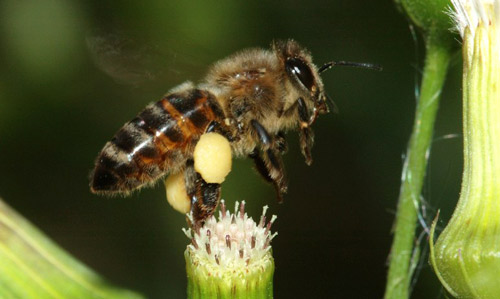
BREAST CANCER RESEARCH RIGHT NOW! #75: European Honeybee Venom Can Stop Cancer Cell Growth!

From the first moment my wife discovered she had breast cancer, there was a deafening silence from the men I know. Even ones whose wives, mothers or girlfriends had breast cancer seemed to have received a gag order from some Central Cancer Command and did little more than mumble about the experience. Not one to shut up for any known reason, I started this blog…

Every month, I’ll be highlighting breast cancer research that is going on RIGHT NOW! Harvested from different websites, journals and podcasts, I’ll translate them into understandable English and share them with you. Today: Honeybee venom and breast cancer cells…

PLEASE NOTE THAT THIS IS AN INITIAL STUDY! THERE’S NO TREATMENT YET – AND GETTING STUNG BY A HONEYBEE WILL NOT BE THE PROCEDURE!

“Western Australia's Chief Scientist Professor Peter Klinken said, ‘This is an incredibly exciting observation that melittin, a major component of honeybee venom, can suppress the growth of deadly breast cancer cells, particularly triple-negative breast cancer.’

“‘Significantly, this study demonstrates how melittin interferes with signalling pathways within breast cancer cells to reduce cell replication. It provides another wonderful example of where compounds in nature can be used to treat human diseases,’ he said.”

While it was demonstrated as early as early as 1950 that bee venom had the capacity to reduce tumors (the initial study was done on plants), it wasn’t for another 70 years passed that researchers thought to try it on cancer cells.

Also, once the study began, it became clear that it wasn’t just “honeybee venom”, it was a component of the venom called melittin that seemed to interact with a cancer cell’s ability to communicate with other cancer cells to greatly reduce cell replication.

Melittin is the main part of honeybee venom. The REASON a sting hurts so badly is that melittin and other parts of the venom attack cell walls to burst them. The resulting cellular fluid leaks out, obviously killing the cell. This creates an allergic reaction, which is when your body releases a protein that grabs onto the offending substance, in this case the venom. It can also prevent cells from reproducing, which is usually by division, which melittin interferes with.

During the initial testing – which was done with cells in a petri dish, followed by using mice who have been specially bred to grow tumors that can be tested. “A specific concentration of honeybee venom can induce 100% cancer cell death, while having minimal effects on normal cells.” They also discovered that when using an active molecule found in the venom, the melittin, “…can completely destroy cancer cell membranes within 60 minutes.”

All of this is exciting – but again, it’s far from a solution. The cells most susceptible to this treatment are “…triple-negative breast cancer and HER2-enriched breast cancer cells.”

While this is important, researchers know that there are several types of breast cancer. Carcinoma in situ is growth of low-grade cancerous or precancerous cells within  particular place, like the mammary duct without invasion of the surrounding tissue. In contrast, invasive carcinoma does not confine itself to the initial tissue compartment and can be found in several places, including nearby lymph nodes; metastatic breast cancer has spread beyond the breast and lymph nodes and may be in the bones, lungs, liver, brain, or skin (the five most common forms of metastatic bc).

As well, there are places on the surface of and inside of a breast cancer cell that can receive different kinds of chemicals that affect how the cell can act and react. Different cells can get messages based on the kinds of places on the cell – these places are called “receptors”. They can get messages from estrogen (ER), progesterone (PR), and HER2. ER+ cancer cells depend on estrogen for their growth, so they can be treated with drugs to block estrogen. ER positive and PR positive cancer victims have the best prognosis and make up about 83% of breast cancer types.

HER2+ breast cancers are generally more aggressive than HER2- breast cancers. HER2+ cancer cells respond to drugs and can now be effectively treated. However, cells that don’t have ER, PR or HER2+ are called triple-negative and are by far the most difficult to treat. They make up less than 5% of all breast cancers. Honeybee venom CAN treat this kind of breast cancer, and it appears it can treat it effectively.

At any rate, we will be keeping close eyes on the use of honeybee venom as a breast cancer treatment.


Sunday, September 6, 2020

ENCORE #142! – Exercise May Improve Immune Functions! How Can THAT Happen???


From the first moment my wife discovered she had breast cancer in March of 2011, there was a deafening silence from the men I knew. Even ones whose wives, mothers or girlfriends had breast cancer seemed to have received a gag order from some Central Cancer Command and did little more than mumble about the experience. Not one to shut up for any known reason, I started this blog…That was four years ago – as time passed, people searching for answers stumbled across my blog and checked out what I had to say. The following entry first appeared in April 2012…

Doctors harp on exercise.

Despite the harping – or in my case, perversely because of it – I avoid exercise like the plague.

Even so, as I read more and more sites promoting the “exercise makes you better if you have breast cancer” meme, I found that almost none of them give any kind of evidence as to WHY exercise fights cancer and promotes healing.

So I dug into the sites and finally found some evidence supporting this wild, “Do this one weird thing…” kind of meme. This week, it’s number:

1)                  Physical activity may decrease risk for various cancers by improving immune function

I was a biology major in college – not because I wanted to be a doctor when I grew up. Not because I loved animals. I was a bio major because I loved LIFE! (No, not THAT kind of life. I hated crazy parties with drunken young adults wandering around, trying to shout over obnoxiously loud music and the inevitable whiff of various and sundry “recreational substances” in use. Thanks, but no thanks…) I loved diatoms and dinosaurs; liver flukes and lilies;  Euglena and elephantiasis...I didn’t have FUN with it always, but I loved it.

One of the “basic” classes I took was Immunology. I still have the text in my basement library. Published in 1978, it has absolutely NO mention of Acquired Immune Deficiency Syndrome – what we call AIDS. In fact, Immunology was an ELECTIVE class any bio major could take. No one HAD to take it because, after all, while interesting, the immune system wasn’t all THAT important in the broad sweep of things...

“The immune system is a system of biological structures and processes within an organism that protects against disease. In order to function properly, an immune system must detect a wide variety of agents, from viruses to parasitic worms, and distinguish them from the organism's own healthy tissue... [the system includes] enzymes, phagocytosis (cells that eat other cells – the white blood cell in particular), antimicrobial peptides (molecules that kill microscopic creatures), and the complement system (a biochemical cascade that attacks the surfaces of foreign cells – one you might know is “histamine” – most of you reading this have at some time or another taken Benadryl®, which is an ANTI-histamine) as well as the well-known antibodies that zap very particular body invaders and the ability to adapt over time to recognize specific pathogens more efficiently.”

So how does exercise “boost” the immune system?

“Moderate exercise has been linked to a positive immune system response and a temporary boost in the production of the cells that attack bacteria (like wbcs)...there are physiological changes in the immune system as a response to exercise...immune cells circulate through the body more quickly and are better able to kill bacteria and viruses...consistent, regular exercise seems to make these changes a bit more long-lasting...when moderate exercise is repeated on a near-daily basis there is a cumulative effect that leads to a long-term immune response...those who walk [vigorously] for 40 minutes per day had half as many sick days due to colds or sore throats as those who don't exercise.”

And how does this relate to breast cancer?

Exercise pumps up the immune system and lowers estrogen levels. With as little as four hours of exercise per week, a woman can begin to lower her risk of breast cancer.”

You’ll be able to maintain a healthy weight. Regular exercise can help you maintain a healthy weight by building muscle and burning fat... fat cells make estrogen; extra fat cells mean more estrogen in the body and estrogen can make hormone-receptor-positive breast cancers develop and grow.”

Lastly: “Compared with the other women in the study, the women in the exercise group also boosted their number of activated T cells, made more lymphocytes, and lowered their levels of an inflammatory marker (a kind of chemical that signals parts of the body to “swell and get warm”). That data came from blood tests done after chemotherapy and at the study's midpoint and end.”

Improvements in T cells with post-chemo exercise were also recently reported by Canadian researchers. They say they saw the benefit in a small group of postmenopausal breast cancer survivors who worked out on stationary bikes three times per week for 15 weeks.”

What are T cells? “T lymphocytes belong to a group of white blood cells known as lymphocytes, and play a central role”…when the immune system uses CELLS to attack infections. Exercise stimulates the making of these cells in the thymus part of the brain.

So – exercise boosts the immune system in several ways: helps to circulate wbcs and T cells, lowers the chemicals that cause swelling, lowers the number of fat cells which make estrogen which strengthens breast cancer cells making them harder for the immune system to fight and regular exercise keeps the immune system working like this LONGER.

Hmmm – pretty good excuse to get on those treadmills, recliner bikes, ellipticals or just go out and WALK!


Sunday, August 30, 2020

Encouragement (In Suffering, Pain, and Witnessing Both…) #13: Just Being PRESENT


The older I get, the more suffering and pain I’ve experienced; and the more of both I stand witness to. From my wife’s (and many, many of our friends and coworkers) battle against breast cancer; to my dad’s (and the parents of many of our friends and coworkers) process as he fades away as this complex disease breaks the connections between more and more memories, I have become not only frustrated with suffering, pain, and having to watch both, I have been witness to the suffering and pain among the students I serve as a school counselor. I have become angry and sometimes paralyzed. This is my attempt to lift myself from the occasional stifling grief that darkens my days…

Sometimes encouraging someone requires us to close our mouth, sit down, and just BE with them.

When my wife went in for her double mastectomy and after all of the chatty words, most of the time was spent in silence, waiting. When my daughter had a fluid-filled cyst removed right after she got pregnant, our little group in the waiting room bantered for a while, but after hours had passed, we simply fell into silence. It wasn’t an UNCOMFORTABLE silence; it was, if I may be so bold, an expectant silence.

The Bible has three specific instances where monumental events fell into simple, companionable silence.

In Job 2:11-13, his friends hear of his suffering and show up for him, “ Now when Job’s three friends heard of all this adversity that had come upon him…they made an appointment together to come to sympathize with him and comfort him. When they lifted up their eyes at a distance and did not recognize him…they sat down on the ground with him for seven days and seven nights with no one speaking a word to him, for they saw that his pain was very great.”

In Exodus 2:1-4, Moses’ sister kept silent watch over him after his mother released him to God, “Now a man from the house of Levi went and married a daughter of Levi. The woman conceived and bore a son; and when she saw that he was beautiful, she hid him for three months. But when she could hide him no longer, she got him a wicker basket and covered it over with tar and pitch. Then she put the child into it and set it among the reeds by the bank of the Nile. His sister stood at a distance to find out what would happen to him.”

In Luke 10:38-42, “Now as they were traveling along, He entered a village; and a woman named Martha welcomed Him into her home. She had a sister called Mary, who was seated at the Lord’s feet, listening to His word. But Martha was distracted with all her preparations; and she came up to Him and said, ‘Lord, do You not care that my sister has left me to do all the serving alone? Then tell her to help me.’ But the Lord answered and said to her, ‘Martha, Martha, you are worried and bothered about so many things; but only one thing is necessary, for Mary has chosen the good part, which shall not be taken away from her.’”

There is also good psychology behind the importance of “just being there” as a form of encouragement. Among the reasons, “it’s more relaxing for your body and brain than listening to music – as measured by a lowering of blood pressure and increased blood flow to the brain.” As well, “Lowering sensory input helps us to restore our cognitive resources. We stop feeling overwhelmed…When we allow ourselves this quiet reflective time we find that, as Herman Melville wrote, ‘All profound things and emotion of things are proceeded and attended by silence.’”

A quote attributed to Abraham Lincoln notes that it is “‘Better to remain silent and be thought a fool than to speak and remove all doubt.’ This last point is that we need to learn that silence is often the best strategy not only for ourselves but for others, too.”

Sometimes, just being silent doesn’t FEEL like you’re being helpful, but I can attest that there are times when I just wanted the people around me to stay close and just “be with me”; the best of my friends knew that.


Sunday, August 23, 2020

ENCORE #141! – Exercise Reduces Metabolic Hormones and Inflammation! (Huh?)


From the first moment my wife discovered she had breast cancer in March of 2011, there was a deafening silence from the men I knew. Even ones whose wives, mothers or girlfriends had breast cancer seemed to have received a gag order from some Central Cancer Command and did little more than mumble about the experience. Not one to shut up for any known reason, I started this blog…That was four years ago – as time passed, people searching for answers stumbled across my blog and checked out what I had to say. The following entry first appeared in April of 2012.

Doctors harp on exercise.

Despite the harping – or in my case, perversely because of it – I avoid exercise like the plague.

Even so, as I read more and more sites promoting the “exercise makes you better if you have breast cancer” meme, I found that almost none of them give any kind of evidence as to WHY exercise fights cancer and promotes healing.

So I dug into the sites and finally found some evidence supporting this wild, “Do this one weird thing…” kind of meme. This week, it’s number:

1)                  Physical activity may decrease risk for various cancers by several mechanisms including reducing metabolic hormones and inflammation

First of all, what are metabolic hormones?

Let’s back up and start fresh. What is metabolism?

Metabolism is the collection of chemical reactions that happen in the cells of the body that sustain life – things like growth, reproduction, structure maintenance, and response to the body’s environment. These reactions are controlled by things inside the cells and things outside of the cells.

Hormones come from outside the cell and are “messengers” that travel through the blood and attach themselves to specific landing sites on the outside of a cell then pass their “message” into the cell.

Among the hormones that control the metabolism of cells are Insulin (controls glucose or sugar uptake); Thyroxine and Triiodothyroxin (controls the basal metabolism rate [BMR] – what we’d call the “resting state” of the body);Growth Hormone (obvious); Cortisol (stimulates the making of sugars and causes a decrease in sugar uptake); Estradiol (has a complex job in that it controls female body structure, protein synthesis, blood coagulation, and the amount of LDL and HDL fat in the blood).

“…exercise is one of the major links between the hormonal modulators of energy intake and output. [These hormones] directly affect adipose metabolism and metabolic hormones that influence adipose metabolism. Acute low- and moderate-intensity exercise causes hormonal changes that facilitate lipolytic activity. Exercise training reduces these hormonal responses, but the sensitivity to these hormones increases so that lipolysis may be facilitated.”

In other words, the more you exercise, the more fat is metabolized (duh!); but the more you exercise, the LESS these hormones work (huh?); but because of exercise, you don’t need as MUCH of the hormone to do the work of fat destruction (“lipolytic activity”); therefore, there are fewer hormones to drive cancer cell growth. (The last sentence is a layman’s interpretation of everything I’ve read. I’m NOT a doctor. I am a biology major and I’ve read constantly and regularly both popular and scientific articles. None of the articles says this outright – but I believe that it is implied.)

How about the inflammation?

Inflammation is part of an extremely complex reaction in the human body basically aimed at removing some sort of damaging event so it can start healing. In the human body, inflammation is caused by vasoactive amines, eicosinoids, cytokines (antiviral, immunoregulatory, and anti-tumor properties), growth factors, reactive oxygen species and hydrolytic enzymes.

“Inflammation orchestrates the microenvironment around tumors, contributing to proliferation, survival and migration. Cancer cells use selectins, chemokines and their receptors for invasion, migration and metastasis. On the other hand, many cells of the immune system contribute to cancer immunology, suppressing cancer.”

Regular physical activity is reported to decrease markers of inflammation although the correlation is imperfect and seems to reveal differing results contingent upon training intensity…long-term chronic training may help reduce chronic low-grade inflammation…low-intensity training can reduce resting pro-inflammatory markers (CRP, IL-6), while moderate-intensity training has milder and less-established anti-inflammatory benefits.”

Therefore exercise, while it is NOT a miraculous cure for breast cancer CERTAINLY has the following positive effects on lowering metabolic hormones and inflammation:
  • more fat is metabolized
  • you don’t need as MUCH of the hormone to do the work of fat destruction
  • fewer hormones to drive cancer cell growth
  • decrease markers of inflammation


Sunday, August 16, 2020

ALZHEIMER’S RESEARCH RIGHT NOW! #9: Factors That Can Increase OR DECREASE Alzheimer’s Disease!


From the first moment I discovered my dad had been diagnosed with Alzheimer’s, it seemed like I was alone in this ugly place. Even ones who had loved ones suffering in this way; even though people TALKED about the disease, it felt for me like they did little more than mumble about the experience. Not one to shut up for any known reason, I added a section to this blog…

Every month, I’ll be highlighting Alzheimer’s research that is going on RIGHT NOW! Harvested from different websites, journals and podcasts, I’ll translate them into understandable English and share them with you. Today: What factors increase Alzheimer’s risk?

I’m going to start with the end. After skimming through the published paper online at Journal of Neurology, Neurosurgery & Psychiatry, 2020, I found that researchers concluded: “Twenty-one clinical evidence-based suggestions are proposed, offering clinicians and stakeholders an evidence-based guideline for AD prevention. With credible though inconclusive evidence, the suggestions targeted 10 risk factors including diabetes, hyperhomocysteinaemia, poor BMI management, reduced education, hypertension in midlife, orthostatic hypotension, head trauma, less cognitive activity, stress and depression.”

So, what does that mean in English? The site, ScienceDaily works to make complex research understandable – but as a sort of “summarization” site, that’s not always helpful. So here, I combine information from both sites. This will definitely be helpful for me, I hope it grants you some insight and allows for some targeted planning.

“From analysing these, they proposed 21 suggestions based on the consolidated evidence available that could be used in practice by clinicians to try to prevent Alzheimer's disease.
“Within these, there were what they referred to as "Class I" suggestions to target 19 different factors.

“Nearly two-thirds of these suggestions would involve targeting vascular risk factors (such as high blood pressure and cholesterol levels) and lifestyle, strengthening the importance of keeping healthy to prevent Alzheimer's disease.

“Ten of the suggestions were backed by strong evidence and included receiving as much education as possible in early life, participating in mentally stimulating activities such as reading, avoiding diabetes, stress, depression, head trauma, and high blood pressure in midlife.

“A further nine suggestions had slightly weaker evidence to support them and included regular physical exercise, getting sufficient good quality sleep, maintaining a healthy body weight and good heart health in later life, avoiding smoking, and including vitamin C in the diet.”

Given the above, I STILL couldn’t find an easy-to-read list of the “21 suggestions”, so I’ve distilled them for you below:

Six Factors that Protect Against Alzheimer’s Disease

Stay healthy (Duh…)
Receive as much education as possible in early life (This is REALLY vague…) [Thought for further study: is AD more common among people with less education?]
Do mentally stimulating stuff, like reading
Maintain a healthy body weight
Include Vitamin C in your diet
Exercise regularly

14 Factors That Increase the Risk of Alzheimer’s Disease

High blood pressure AND cholesterol
Stroke
Atrial Fibrillation
Diabetes
Stress
Depression (easier said than done…)
Avoid head trauma (duh…)
Control your blood pressure
Cardiovascular Disease
Maintain good heart health (What’s THAT mean?)
Smoking
Hyperhomocysteinemia (an amino acid that gets into the blood from eating too much meat damaging blood vessels and causing a host of problems with you cardiovascular system)
Disturbed sleep
Cerebral microbleeds (related to strokes)
Common Carotid IMT (what you have before the doctor says you have atherosclerosis (hardening of the arteries)

The chart above does a good job of showing the list in a visual format. I found it a good tool and will refer to it often!