From the first moment my wife discovered she had breast cancer in March of 2011, there was a deafening silence from the men I knew. Even ones whose wives, mothers or girlfriends had breast cancer seemed to have received a gag order from some Central Cancer Command and did little more than mumble about the experience. Not one to shut up for any known reason, I started this blog…That was four years ago – as time passed, people searching for answers stumbled across my blog and checked out what I had to say. The following entry first appeared in October 2012.
Working full-time as a classroom aide for a kindergarten class is a draining experience even for the young and able-bodied! The classroom teacher is a young woman with loads of energy, enthusiasm and ideas – and SHE is often worn out at the end of the day! How could my wife possibly expect to keep up with her – as well as chasing after 25 five-going-on-six little kids, and closely monitoring and recording data on one child in the class who needs LOTS of supervision?
She works at the elementary school in the district with THE highest level of poverty. The neighborhood her school is in is primarily made up of apartments, has an airport, several vacant lots, one partially burned out gas station, suburban row houses all built within weeks of each other in 1956 and beginning to look their age. The environment is dilapidated, the school is dilapidated, the charter school next door to her school siphons off the best and the brightest leaving her school with more than its fair share of challenges.
She comes home exhausted every day and wonders when she’s going to feel better. Lymphedema is a concern still – nah, it’s downright worrisome. Yesterday she broke out in hives because she didn’t rinse out her compression sleeve well enough – because she was tired. Her feet are sore. Her knees and joints are sore (though that has gotten better since she’s gone gluten free) and she doesn’t remember feeling this crappy BEFORE the surgery, chemo and recovery.
So when WILL she feel like she used to? When will she feel normal?
In a transcript of a panel discussion on “Life After Breast Cancer” posted at http://secondopinion-tv.org/episode/life-after-breast-cancer, one of the panelists notes, “It's not possible to ‘flip a switch’ and immediately go back to a former life at full throttle. The body is in repair mode and women have to pace themselves. In fact, it may take a year or more to regain a sufficient level of energy and sense of well-being.”
Debbie Woodbury, commenting on a question at Talk About Health (http://talkabouthealth.com/how-long-did-it-take-for-you-to-feel-normal-again-after-breast-cancer-or-do-you-ever-feel-normal-again) points out: “Emotionally, it took even longer [than a year] to heal, but I will never be the same as I was before the cancer...no cancer survivor I've ever talked to...has ever told me that they were able to return to the normal life they had before they were diagnosed. It just doesn't happen. Cancer redefines normal.”
What exactly is a repair mode? Technically “recovery” has to do with the initial surgical recovery, but, “After your cancer treatment, as a cancer survivor you're eager to return to good health. But beyond your initial recovery, there are ways to improve your long-term health so that you can enjoy the years ahead as a cancer survivor. The recommendations for cancer survivors are no different from the recommendations for anyone who wants to improve his or her health: Exercise, eat a balanced diet, maintain a healthy weight, avoid tobacco and limit the amount of alcohol you drink. But for cancer survivors, these strategies have added benefits. These simple steps can improve your quality of life, smoothing your transition into survivorship.”
This is recovery.
“But doctor, will I ever be able to play the violin after I recover?”
“Of course!”
“That’s amazing! I never played it before the surgery!”
Ba dum bum. Everything people have blogged leads me to believe that the repair mode of post-cancer recovery is long and difficult. Of COURSE you feel better than you did immediately after surgery. It seems like things are getting better fast. But that’s different. Cancer is invasive and if you’ve undergone a prolonged chemo or radiation therapy, then your entire body has been weakened – from head to toe.
“You may have permanent scars on your body, or you may not be able to do some things you once did easily. Or you may even have emotional scars from going through so much. You may find that others think of you differently now - or you may view yourself in a different way…”, “...those who have gone through cancer treatment describe the first few months as a time of change...finding out what's normal for you now. People often say that life has new meaning or that they look at things differently now. You can also expect things to keep changing as you begin your recovery. Your new ‘normal may include making changes in the way you eat, the things you do, and your sources of support...follow-up care. Should I tell the doctor about symptoms that worry me? Which doctors should I see after treatment? How often should I see my doctor? What tests do I need? What can be done to relieve pain, fatigue, or other problems after treatment? How long will it take for me to recover and feel more like myself? Is there anything I can or should be doing to keep cancer from coming back?”
All of this – and MORE – are things to factor into recovery.
The answer to the ultimate question, “So when WILL she feel like she used to?” may not have a clear or solid answer. I suppose the best response might be, “e) All of the above”...
Resources: http://www.cancer.gov/cancertopics/coping/life-after-treatment/page1/AllPages
Image: https://c2.staticflickr.com/6/5527/10893068965_1d328e8f71_b.jpg
A NEWLY DIAGNOSED T2 DIABETIC, breast cancer husband's observations mixed up with an Alzheimer's son's musings
Sunday, April 3, 2022
Sunday, March 27, 2022
BREAST CANCER RESEARCH RIGHT NOW! #82: Radical increase in the effectiveness of breast cancer immunotherapy!
From the first moment my wife discovered she had breast cancer, there was a deafening silence from the men I know. Even ones whose wives, mothers or girlfriends had breast cancer seemed to have received a gag order from some Central Cancer Command and did little more than mumble about the experience. Not one to shut up for any known reason, I started this blog…
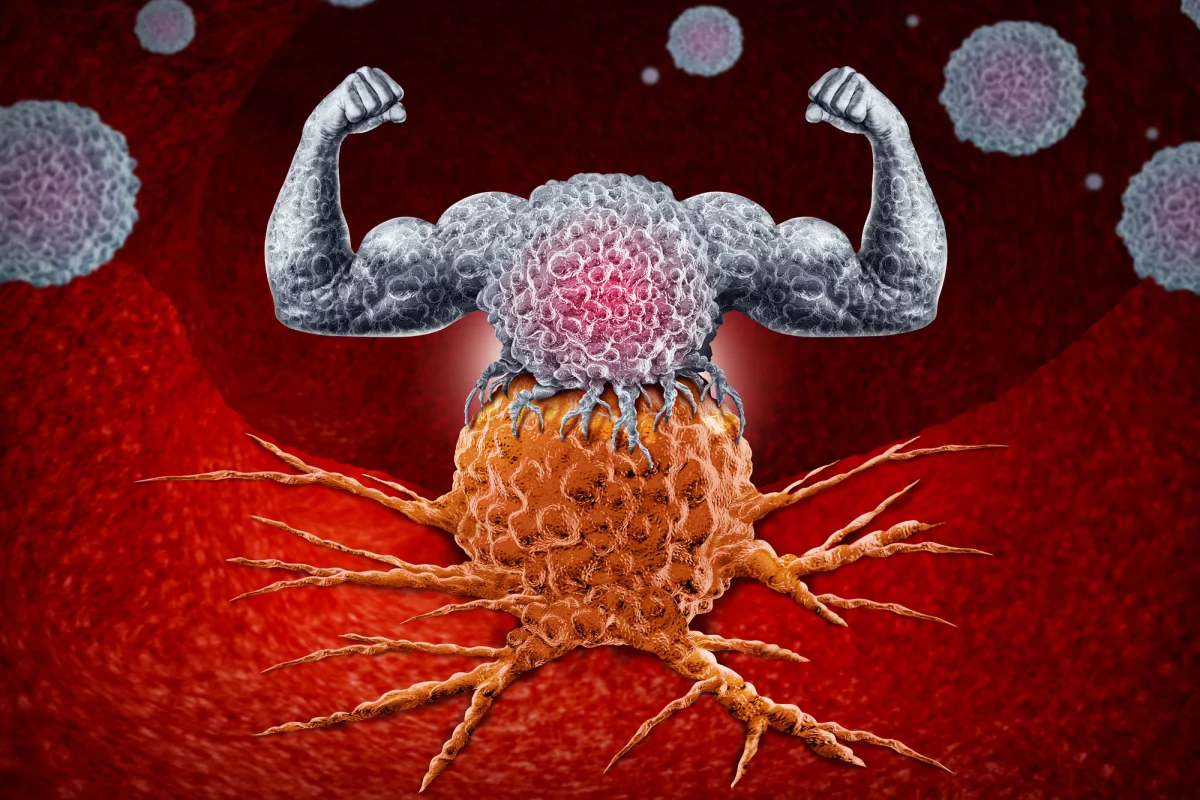
Every month, I’ll be highlighting breast cancer research that is going on RIGHT NOW! Harvested from different websites, journals and podcasts, I’ll translate them into understandable English and share them with you. Today: How a new treatment might make triple-negative breast cancer cells vulnerable to immune therapy.
First of all, what IS immunotherapy? “Cancer immunotherapy is a form of cancer treatment that uses the power of the body’s own immune system to prevent, control, and eliminate cancer.”
The immune system of your body is what fights against infections. There are a bunch of cells in it that fight against infections. White blood cells (aka wbc’s) are the ones you usually hear about. If you are sick, a doctor may order a white cell count. When there are high numbers, then you have some sort of infections. The main organs of the immune system is called the lymph system. There’s NO lymph “heart”, instead, you just moving around pushes the lymph around her bodies.
The nodes and cells in the lymph system are full of different kinds of “immunoglobulin”, which is abbreviated “Ig”. There are a WHOLE BUNCH of kinds of Ig that are labeled just by a letter of the alphabet. Each kind does something different. For example, IgG is the major immunoglobulin class in the body and is found in the blood stream and in body tissues, like muscles, heart, brain, and many other places – including the breasts.
So, the immunoglobulins recognize a virus or germ as foreign, attaches to it and sets off a chain of events that bring together many other parts of the immune system that then work together to destroy the germ.
The wbc’s that help the immunoglobulins are gathered in what are called “lymph nodes”. You find them alongside all of your joints, especially in your neck “I have swollen glands! I must be sick!), armpits, and groin – but also your inside elbow and knee joints, wrists, and ankles. That’s because that’s where you move and that pushes the lymph around your body.
Anyone who has had breast cancer surgery that has progressed to Stage 2 or higher, may have had lymph nodes surgically removed.
All right, now you’re up to speed.
The most aggressive types of tumors are what cause “triple-negative breast cancer”. The worst part about this kind of BC is that even though only 15% of cases are triple-negative, it’s one of the most rapidly growing and it affects younger patients. The problem has been all along, that breast cancer (and ANY kind of cancer) cells “hide” from the immune systems by messing with the outside of the cancer cells. In this work, researchers found that tumor stem cells are the main cause of immunotherapy resistance and THAT’S because these cells are invisible to the immune system, making immunotherapy ineffective.
Their “cloaking device” is a chemical called the LCOR factor. The cancer cell doesn’t produce enough of the LCOR factor for the immunoglobulins and the other lymph system cells to SEE them. And if they can’t SEE them, then there’s no way to kill something that’s in stealth mode because our chemotherapy can’t see cancer cells to kill them.
If our own, natural immune system can’t see them, then the chemotherapy drugs can’t see them to kill them, either.
While this isn’t a TREATMENT yet, the researchers, inspired by the technology used in the design of the vaccines that are taming COVID-19 are using a similar strategy to transport and deliver LCOR genes into tumor cells, in super tiny bag-like structures. These bags carry this LCOR gene as a message to the cell (the “message is called RNA). The cell takes the information and were shown to do so successfully. Once it gets into the cell, it triggers the RIGHT function, the cancer cell makes “too much” LCOR, and stands out like a neon green spray-painted beach ball – and the immunoglobulins and all the other germ-death cells attack. This would be one of the many treatments for preventing, managing, or treating different cancers and it would probably be used along with surgery, chemotherapy, radiation, or targeted therapies to improve their effectiveness.
Remember, this isn’t a TREATMENT…yet…but it IS a promise!
Resources: https://www.sciencedaily.com/releases/2022/03/220317120351.htm, https://www.cancerresearch.org/immunotherapy/what-is-immunotherapy?gclid=Cj0KCQjw0PWRBhDKARIsAPKHFGilSbHi2YI7CCJCwCqQDo4GvpK3WdPGtEAUBtR9n8wbY-hABOUPFvYaAuOpEALw_wcB, https://primaryimmune.org/immune-system-and-primary-immunodeficiency#:~:text=The%20cells%20of%20the%20immune%20system%20can%20be%20categorized%20as,%2C%20antibodies%2C%20and%20complement%20proteins.
Image: https://assets.newatlas.com/dims4/default/bdbf594/2147483647/strip/true/crop/2000x1333+0+0/resize/1200x800!/format/webp/quality/90/?url=http%3A%2F%2Fnewatlas-brightspot.s3.amazonaws.com%2F39%2Ff0%2Fdf48dd224c8789e14f0b9adcd858%2Fdepositphotos-321601022-l-2015.jpg
The wbc’s that help the immunoglobulins are gathered in what are called “lymph nodes”. You find them alongside all of your joints, especially in your neck “I have swollen glands! I must be sick!), armpits, and groin – but also your inside elbow and knee joints, wrists, and ankles. That’s because that’s where you move and that pushes the lymph around your body.
Anyone who has had breast cancer surgery that has progressed to Stage 2 or higher, may have had lymph nodes surgically removed.
All right, now you’re up to speed.
The most aggressive types of tumors are what cause “triple-negative breast cancer”. The worst part about this kind of BC is that even though only 15% of cases are triple-negative, it’s one of the most rapidly growing and it affects younger patients. The problem has been all along, that breast cancer (and ANY kind of cancer) cells “hide” from the immune systems by messing with the outside of the cancer cells. In this work, researchers found that tumor stem cells are the main cause of immunotherapy resistance and THAT’S because these cells are invisible to the immune system, making immunotherapy ineffective.
Their “cloaking device” is a chemical called the LCOR factor. The cancer cell doesn’t produce enough of the LCOR factor for the immunoglobulins and the other lymph system cells to SEE them. And if they can’t SEE them, then there’s no way to kill something that’s in stealth mode because our chemotherapy can’t see cancer cells to kill them.
If our own, natural immune system can’t see them, then the chemotherapy drugs can’t see them to kill them, either.
While this isn’t a TREATMENT yet, the researchers, inspired by the technology used in the design of the vaccines that are taming COVID-19 are using a similar strategy to transport and deliver LCOR genes into tumor cells, in super tiny bag-like structures. These bags carry this LCOR gene as a message to the cell (the “message is called RNA). The cell takes the information and were shown to do so successfully. Once it gets into the cell, it triggers the RIGHT function, the cancer cell makes “too much” LCOR, and stands out like a neon green spray-painted beach ball – and the immunoglobulins and all the other germ-death cells attack. This would be one of the many treatments for preventing, managing, or treating different cancers and it would probably be used along with surgery, chemotherapy, radiation, or targeted therapies to improve their effectiveness.
Remember, this isn’t a TREATMENT…yet…but it IS a promise!
Resources: https://www.sciencedaily.com/releases/2022/03/220317120351.htm, https://www.cancerresearch.org/immunotherapy/what-is-immunotherapy?gclid=Cj0KCQjw0PWRBhDKARIsAPKHFGilSbHi2YI7CCJCwCqQDo4GvpK3WdPGtEAUBtR9n8wbY-hABOUPFvYaAuOpEALw_wcB, https://primaryimmune.org/immune-system-and-primary-immunodeficiency#:~:text=The%20cells%20of%20the%20immune%20system%20can%20be%20categorized%20as,%2C%20antibodies%2C%20and%20complement%20proteins.
Image: https://assets.newatlas.com/dims4/default/bdbf594/2147483647/strip/true/crop/2000x1333+0+0/resize/1200x800!/format/webp/quality/90/?url=http%3A%2F%2Fnewatlas-brightspot.s3.amazonaws.com%2F39%2Ff0%2Fdf48dd224c8789e14f0b9adcd858%2Fdepositphotos-321601022-l-2015.jpg
Sunday, March 20, 2022
ENCORE #179! – The Post Cancer Crash
From the first moment my wife discovered she had breast cancer in March of 2011, there was a deafening silence from the men I knew. Even ones whose wives, mothers or girlfriends had breast cancer seemed to have received a gag order from some Central Cancer Command and did little more than mumble about the experience. Not one to shut up for any known reason, I started this blog…That was four years ago – as time passed, people searching for answers stumbled across my blog and checked out what I had to say. The following entry first appeared in June of 2012…
Right after the literal and economic “boom” of WWI, came the Roaring Twenties. Life was good, coming together as Americans during The War Against The Kaiser had been followed by the heady rush of becoming a World Power, and it looked like the future was going to be bright, indeed.
Right after WWII came the Fabulous Fifties when America could do no wrong and we invented everything from hula hoops to the H-bomb and Elvis Presley.
The Great Depression came crashing down on the heels of the Roaring Twenties and the Fabulous Fifties were followed by the riots and assassinations of the Tumultuous Sixties.
For me, the bravery, positive outlook, and grand support of the Diagnosis, Surgery and Treatment year has come crashing down around my ears as the Post-Cancer Crash. Chemo is done, regular “How’s your wife doing this week?”s have dwindled to the occasional, off-hand query usually briefly answered.
My pink shoelaces are tattered and my wristband is dirty and faded. I am, quite frankly, left feeling depressed. No one’s fault but my own as there appears to be no more battle to fight. There’s no more heart-stopping terror to overcome. And really? My wife is alive and hasn’t felt better in YEARS!
So what’s up with me? I should be dancing on streets of gold, lolling about in Paradise, praising God from the rooftops, the skyscraper tops. Instead, I’m feeling quietly contemplative and a bit sad.
Ecclesiastes 3:1-9 talks about the fact that there are times in a person’s life that are given over to various things. Perhaps the past year was “a time to kill (cancer)...weep...be silent...war (on cancer)...hate (cancer)”.
In the same way – and in a NOT BAD way, perhaps now is “a time to heal...build up…a time for peace.” Perhaps now is the time to start growing again as well.
Perhaps now is a time to come back to life again. Perhaps now is “a time to throw away” the bitterness, anger and fear I’ve lived with for the past 18 months.
Take a deep breath. Hold it. Now release. Repeat.
There’s a faint smile on my face right now, so this must be the right thing to do...
Image: https://c2.staticflickr.com/6/5527/10893068965_1d328e8f71_b.jpg
Right after the literal and economic “boom” of WWI, came the Roaring Twenties. Life was good, coming together as Americans during The War Against The Kaiser had been followed by the heady rush of becoming a World Power, and it looked like the future was going to be bright, indeed.
Right after WWII came the Fabulous Fifties when America could do no wrong and we invented everything from hula hoops to the H-bomb and Elvis Presley.
The Great Depression came crashing down on the heels of the Roaring Twenties and the Fabulous Fifties were followed by the riots and assassinations of the Tumultuous Sixties.
For me, the bravery, positive outlook, and grand support of the Diagnosis, Surgery and Treatment year has come crashing down around my ears as the Post-Cancer Crash. Chemo is done, regular “How’s your wife doing this week?”s have dwindled to the occasional, off-hand query usually briefly answered.
My pink shoelaces are tattered and my wristband is dirty and faded. I am, quite frankly, left feeling depressed. No one’s fault but my own as there appears to be no more battle to fight. There’s no more heart-stopping terror to overcome. And really? My wife is alive and hasn’t felt better in YEARS!
So what’s up with me? I should be dancing on streets of gold, lolling about in Paradise, praising God from the rooftops, the skyscraper tops. Instead, I’m feeling quietly contemplative and a bit sad.
Ecclesiastes 3:1-9 talks about the fact that there are times in a person’s life that are given over to various things. Perhaps the past year was “a time to kill (cancer)...weep...be silent...war (on cancer)...hate (cancer)”.
In the same way – and in a NOT BAD way, perhaps now is “a time to heal...build up…a time for peace.” Perhaps now is the time to start growing again as well.
Perhaps now is a time to come back to life again. Perhaps now is “a time to throw away” the bitterness, anger and fear I’ve lived with for the past 18 months.
Take a deep breath. Hold it. Now release. Repeat.
There’s a faint smile on my face right now, so this must be the right thing to do...
Image: https://c2.staticflickr.com/6/5527/10893068965_1d328e8f71_b.jpg
Sunday, March 13, 2022
RELATED MEDICAL ISSUES RIGHT NOW! #7: Removing The Implants…FINALLY!!!
From the first moment my
wife discovered she had breast cancer, there was a deafening silence from the men I know. Even ones whose wives, mothers or girlfriends had breast cancer seemed to have received a gag order from some Central Cancer Command and did little more than mumble about the experience. Not one to shut up for any known reason, I started this blog…
From the first moment I discovered my dad had been diagnosed with Alzheimer’s, it seemed like I was alone in this ugly place. Even ones who had loved ones suffering in this way; even though people TALKED about the disease, it felt for me like they did little more than mumble about the experience. Not one to shut up for any known reason, I added a section to this blog…
The immediate crisis that was Breast Cancer and Alzheimer’s have passed. There are, however ancillary issues like testing and treatments that may not be directly related to BC or A but intersect with them. Harvested from different websites, journals and podcasts, I’ll translate them into understandable English and share them with you. Today: Removing the reconstructive breast implants.
From shortly after she healed from the surgery that had placed implants in her chest to mimic the real breasts that had been removed during a radical mastectomy and chemotherapy to right now...my wife was in pain.
Not from the surgery, though that was rough, but from the implants themselves. Healthline suggests that there are reasons for the discomfort: “Although breast implants don’t expire, they have a limited life span. The American Society of Plastic Surgeons states implants should be removed or exchanged every 10 to 15 years…breast implants may need to be removed or replaced is because scar tissue can harden around the implants…[and] cause pain and discomfort…” My wife had the initial mastectomy on April 3, 2011; the breast replacements/gel implants were placed on October 13, 2013. A bit short of the “10-year warranty”, she’s thrilled that the process is once again moving forward (COVID-19 delayed her by two years).
It all seems pretty straightforward, but there appear to be other issues to consider, such as the “tissue capsule”: “Removal of the implant and tissue capsule. This part of the procedure depends on your implant issues or surgery goals. Over time, scar tissue naturally develops around an implant, creating a tissue capsule. Some surgeons will only remove the implant and leave the tissue capsule. Others will remove the capsule — a more time consuming procedure — or a portion of the capsule.”
What exactly IS a “tissue capsule”? “…fibrous scar tissue forms around [the implant], creating a sort of ‘bag’ that holds the implant. The body forms a protective capsule like this around any object it recognizes as foreign. The tissue capsule is usually soft or slightly firm, not noticeable, and helps to keep the implant in place.” This is removed along with the intentionally deflated plastic bag that held the gel that gave the implants the rounded, "more-or-less" breast-shape.
So, once they implants are removed? Healing (obviously), and then, just like we’ve done all along these past eleven years – my wife will deal and I will be there beside her, supporting her in whatever way I can.
Oh…and once again blogging the Guys Gotta Talk About Breast Cancer.
Resources: https://www.cancer.org/cancer/breast-cancer/reconstruction-surgery/breast-reconstruction-options/breast-reconstruction-using-implants.html, https://www.healthline.com/health/breast-implant-removal#when-needed
Image: https://pubs.rsna.org/cms/10.1148/rg.2017170025/asset/images/medium/rg.2017170025.fig1.gif
From the first moment I discovered my dad had been diagnosed with Alzheimer’s, it seemed like I was alone in this ugly place. Even ones who had loved ones suffering in this way; even though people TALKED about the disease, it felt for me like they did little more than mumble about the experience. Not one to shut up for any known reason, I added a section to this blog…
The immediate crisis that was Breast Cancer and Alzheimer’s have passed. There are, however ancillary issues like testing and treatments that may not be directly related to BC or A but intersect with them. Harvested from different websites, journals and podcasts, I’ll translate them into understandable English and share them with you. Today: Removing the reconstructive breast implants.
From shortly after she healed from the surgery that had placed implants in her chest to mimic the real breasts that had been removed during a radical mastectomy and chemotherapy to right now...my wife was in pain.
Not from the surgery, though that was rough, but from the implants themselves. Healthline suggests that there are reasons for the discomfort: “Although breast implants don’t expire, they have a limited life span. The American Society of Plastic Surgeons states implants should be removed or exchanged every 10 to 15 years…breast implants may need to be removed or replaced is because scar tissue can harden around the implants…[and] cause pain and discomfort…” My wife had the initial mastectomy on April 3, 2011; the breast replacements/gel implants were placed on October 13, 2013. A bit short of the “10-year warranty”, she’s thrilled that the process is once again moving forward (COVID-19 delayed her by two years).
It all seems pretty straightforward, but there appear to be other issues to consider, such as the “tissue capsule”: “Removal of the implant and tissue capsule. This part of the procedure depends on your implant issues or surgery goals. Over time, scar tissue naturally develops around an implant, creating a tissue capsule. Some surgeons will only remove the implant and leave the tissue capsule. Others will remove the capsule — a more time consuming procedure — or a portion of the capsule.”
What exactly IS a “tissue capsule”? “…fibrous scar tissue forms around [the implant], creating a sort of ‘bag’ that holds the implant. The body forms a protective capsule like this around any object it recognizes as foreign. The tissue capsule is usually soft or slightly firm, not noticeable, and helps to keep the implant in place.” This is removed along with the intentionally deflated plastic bag that held the gel that gave the implants the rounded, "more-or-less" breast-shape.
So, once they implants are removed? Healing (obviously), and then, just like we’ve done all along these past eleven years – my wife will deal and I will be there beside her, supporting her in whatever way I can.
Oh…and once again blogging the Guys Gotta Talk About Breast Cancer.
Resources: https://www.cancer.org/cancer/breast-cancer/reconstruction-surgery/breast-reconstruction-options/breast-reconstruction-using-implants.html, https://www.healthline.com/health/breast-implant-removal#when-needed
Image: https://pubs.rsna.org/cms/10.1148/rg.2017170025/asset/images/medium/rg.2017170025.fig1.gif
Sunday, March 6, 2022
COVID-19 and Me!
I tested positive...got hit by the symptoms...taking an investigative drug to shorten my stay with COVID-19 and keep me from getting serious symptoms. Recovering. Tired. This is about all I can write.
See you next week.
Sunday, February 27, 2022
ENCORE #178! – Of Pink Shoelaces and Pink Wristbands
From the first moment my wife discovered she had breast cancer in March of 2011, there was a deafening silence from the men I knew. Even ones whose wives, mothers or girlfriends had breast cancer seemed to have received a gag order from some Central Cancer Command and did little more than mumble about the experience. Not one to shut up for any known reason, I started this blog…That was four years ago – as time passed, people searching for answers stumbled across my blog and checked out what I had to say. The following entry first appeared in June of 2012 – almost ten years ago…
One of the main events of my life (after my wedding day, birth of my kids, marriage of my son, and birth of my grandkids) is my almost annual Young Authors Conference.
The event is planned and executed with elan and has been held at various colleges in the Minneapolis/St. Paul area for the past 22 years. I’ve been a part of the event – first as a chaperone and eventually as one of the workshop leaders – for at least fifteen of those years. There are lots and lots of people who have made those events special, but there was one yesterday that makes me smile and feel warm inside…
I’ll back up a little to explain that about a year ago, early on in my wife’s breast cancer story, a god friend of ours ordered (what she thought) was a pair of very, very pink shoelaces. She found out, on delivery, that she’d ordered TEN pairs of shoelaces. I took a pair for my own black Reeboks and laced them up.
As I am [was] a high school counselor who was recently a classroom science teacher, I come into contact with 14-18 year olds on a daily, moment-by-moment basis. The day after I put in the laces, a student dashed into my office, stopped abruptly and said, “I like your shoelaces.”
“Oh,” I replied, “I got them because my wife was diagnosed with breast cancer.”
“Oh, man, I’m sorry Mr. Stewart. I hope she gets better…”
From that day forward, I get some sort of comment or other on the shoelaces at LEAST once a week.
Yesterday at the Young Authors Conference, I was heading downstairs for the last time, pulling a suitcase full of books behind me. Passing a pair of young ladies – probably 7th or 8th graders – one of them snickering, said, “I like your suitcase!”
Smiling grimly and knowing EXACTLY how me – a big, old, fat white guy – must look pulling a hot pink suitcase on rollers (that actually belongs to my daughter!), I laughed and said, “Thanks!”
Then she said, “I like your shoelaces, too!”
I stopped, held out my foot and said, “Oh, I wear these because my wife is a breast cancer survivor – a little over a year now!”
Her eyes got big and her face went from teasing laughter to seriousness as she said, “Oh! My grandma had breast cancer!”
Right there, we had a connection – the horror of the initial diagnosis, pain of watching someone we loved go through the treatment, and the joy in a clean diagnosis after a terrible nightmare. For a moment our lives touched and we smiled at each other, two people who had been able to do nothing but love a suffering “someone” we knew and be there for them and pray for them and do anything else we could possibly think of…like wear something pink so that we identify ourselves as a sort of “Pink Horde”…
That made my day. It made my week. It made me thankful for the support I’ve gotten and the support I’ve been able to give.
It made me thankful my wife is healthy, happy and very much alive!
Image: https://c2.staticflickr.com/6/5527/10893068965_1d328e8f71_b.jpg
One of the main events of my life (after my wedding day, birth of my kids, marriage of my son, and birth of my grandkids) is my almost annual Young Authors Conference.
The event is planned and executed with elan and has been held at various colleges in the Minneapolis/St. Paul area for the past 22 years. I’ve been a part of the event – first as a chaperone and eventually as one of the workshop leaders – for at least fifteen of those years. There are lots and lots of people who have made those events special, but there was one yesterday that makes me smile and feel warm inside…
I’ll back up a little to explain that about a year ago, early on in my wife’s breast cancer story, a god friend of ours ordered (what she thought) was a pair of very, very pink shoelaces. She found out, on delivery, that she’d ordered TEN pairs of shoelaces. I took a pair for my own black Reeboks and laced them up.
As I am [was] a high school counselor who was recently a classroom science teacher, I come into contact with 14-18 year olds on a daily, moment-by-moment basis. The day after I put in the laces, a student dashed into my office, stopped abruptly and said, “I like your shoelaces.”
“Oh,” I replied, “I got them because my wife was diagnosed with breast cancer.”
“Oh, man, I’m sorry Mr. Stewart. I hope she gets better…”
From that day forward, I get some sort of comment or other on the shoelaces at LEAST once a week.
Yesterday at the Young Authors Conference, I was heading downstairs for the last time, pulling a suitcase full of books behind me. Passing a pair of young ladies – probably 7th or 8th graders – one of them snickering, said, “I like your suitcase!”
Smiling grimly and knowing EXACTLY how me – a big, old, fat white guy – must look pulling a hot pink suitcase on rollers (that actually belongs to my daughter!), I laughed and said, “Thanks!”
Then she said, “I like your shoelaces, too!”
I stopped, held out my foot and said, “Oh, I wear these because my wife is a breast cancer survivor – a little over a year now!”
Her eyes got big and her face went from teasing laughter to seriousness as she said, “Oh! My grandma had breast cancer!”
Right there, we had a connection – the horror of the initial diagnosis, pain of watching someone we loved go through the treatment, and the joy in a clean diagnosis after a terrible nightmare. For a moment our lives touched and we smiled at each other, two people who had been able to do nothing but love a suffering “someone” we knew and be there for them and pray for them and do anything else we could possibly think of…like wear something pink so that we identify ourselves as a sort of “Pink Horde”…
That made my day. It made my week. It made me thankful for the support I’ve gotten and the support I’ve been able to give.
It made me thankful my wife is healthy, happy and very much alive!
Image: https://c2.staticflickr.com/6/5527/10893068965_1d328e8f71_b.jpg
Sunday, February 20, 2022
BREAST CANCER RESEARCH RIGHT NOW! #81: The Department of Defense Takes on Breast Cancer!
From the first moment my wife discovered she had breast cancer, there was a deafening silence from the men I know. Even ones whose wives, mothers or girlfriends had breast cancer seemed to have received a gag order from some Central Cancer Command and did little more than mumble about the experience. Not one to shut up for any known reason, I started this blog…
Every month, I’ll be highlighting breast cancer research that is going on RIGHT NOW! Harvested from different websites, journals and podcasts, I’ll translate them into understandable English and share them with you. Today: DEPARTMENT OF DEFENSE - CONGRESSIONALLY DIRECTED MEDICAL RESEARCH PROGRAMS
My son has been in the Army for the past eight years. He’s a staff sergeant and after two overseas duties (one for 4 years, with his family; one for one year, alone), in conflict zones.
To tell you the truth, I was stunned. There’s some very, very serious money involved here. Its complete name: Department of Defense Congressionally Directed Medical Research Programs (CDMRP), Breast Cancer Research Program (BCRP): Anticipated Funding Opportunities for Fiscal Year 2022.
The CDMRP originated in 1992 via a Congressional appropriation to foster novel approaches to biomedical research in response to the expressed needs of its stakeholders-the American public, the military, and Congress.
Why? “The FY22 Defense Appropriations Act is anticipated to provide funding for the BCRP to support innovative, high-impact research with clinical relevance that will accelerate progress to end breast cancer for Service Members, Veterans, and the general public.”
DANG!
What’s the outline of the plan? “Applications submitted to the FY22 BCRP must address one or more of the following overarching challenges”:
1. Primary prevention of breast cancer
2. Identify determinants of breast cancer initiation, risk, or susceptibility
3. Distinguish deadly from non-deadly breast cancers
4. Conquer the problems of overdiagnosis and overtreatment
5. Identify what drives breast cancer growth; determine how to stop it
6. Identify why some breast cancers become metastatic
7. Determine why/how breast cancer cells lie dormant for years and then re-emerge; determine how to prevent lethal recurrence
8. Revolutionize treatment regimens by replacing them with ones that are more effective, less toxic, and impact survival
9. Eliminate the mortality associated with metastatic breast cancer
The Armed Forces’ biggest initiative appears to be the identification of BC’s beginning; the risk or susceptibility of each individual to BC; to identify what drives cancer/tumor growth; and to identify why some BCs become metastatic and some do not.
The military would intend that the research they fund be aimed at first and foremost PREVENTING BC. In addition, they would expect to be able to tell if the BC is deadly or not; conquer the problem of overdiagnosis and overtreatment (from the article listed below: “Advances in the surgical management of breast cancer have an increasingly conservative approach [to the removal of BC tissue (aka “mastectomy”, my wife had a radical mastectomy)].”
They also expect that researchers would be looking for a way to determine why/how breast cancer cells lie dormant for years and then re-emerge and I imagine, use that information to find a way to prevent lethal recurrence. The expectation of the researchers is no less than revolutionizing treatment regimens by replacing them with ones that are more effective, less toxic, and impact survival. I DO know that there has been a move to that even since my wife’s treatment. Finally, their ultimate goal is to eliminate mortality associated with metastatic breast cancer.
It sounds like nothing less than a miracle. The intent, if I’m reading this right, is to disburse $61.2 million over the course 3-4 years. All focused on the prevention, identifying, determining, the revolution directed at conquering and ELIMINATING breast cancer.
Truly amazing…
Resources: https://cdmrp.army.mil/pubs/press/2022/22bcrppreann, https://www.frontiersin.org/articles/10.3389/fonc.2021.622621/full
Every month, I’ll be highlighting breast cancer research that is going on RIGHT NOW! Harvested from different websites, journals and podcasts, I’ll translate them into understandable English and share them with you. Today: DEPARTMENT OF DEFENSE - CONGRESSIONALLY DIRECTED MEDICAL RESEARCH PROGRAMS
My son has been in the Army for the past eight years. He’s a staff sergeant and after two overseas duties (one for 4 years, with his family; one for one year, alone), in conflict zones.
To tell you the truth, I was stunned. There’s some very, very serious money involved here. Its complete name: Department of Defense Congressionally Directed Medical Research Programs (CDMRP), Breast Cancer Research Program (BCRP): Anticipated Funding Opportunities for Fiscal Year 2022.
The CDMRP originated in 1992 via a Congressional appropriation to foster novel approaches to biomedical research in response to the expressed needs of its stakeholders-the American public, the military, and Congress.
Why? “The FY22 Defense Appropriations Act is anticipated to provide funding for the BCRP to support innovative, high-impact research with clinical relevance that will accelerate progress to end breast cancer for Service Members, Veterans, and the general public.”
DANG!
What’s the outline of the plan? “Applications submitted to the FY22 BCRP must address one or more of the following overarching challenges”:
1. Primary prevention of breast cancer
2. Identify determinants of breast cancer initiation, risk, or susceptibility
3. Distinguish deadly from non-deadly breast cancers
4. Conquer the problems of overdiagnosis and overtreatment
5. Identify what drives breast cancer growth; determine how to stop it
6. Identify why some breast cancers become metastatic
7. Determine why/how breast cancer cells lie dormant for years and then re-emerge; determine how to prevent lethal recurrence
8. Revolutionize treatment regimens by replacing them with ones that are more effective, less toxic, and impact survival
9. Eliminate the mortality associated with metastatic breast cancer
The Armed Forces’ biggest initiative appears to be the identification of BC’s beginning; the risk or susceptibility of each individual to BC; to identify what drives cancer/tumor growth; and to identify why some BCs become metastatic and some do not.
The military would intend that the research they fund be aimed at first and foremost PREVENTING BC. In addition, they would expect to be able to tell if the BC is deadly or not; conquer the problem of overdiagnosis and overtreatment (from the article listed below: “Advances in the surgical management of breast cancer have an increasingly conservative approach [to the removal of BC tissue (aka “mastectomy”, my wife had a radical mastectomy)].”
They also expect that researchers would be looking for a way to determine why/how breast cancer cells lie dormant for years and then re-emerge and I imagine, use that information to find a way to prevent lethal recurrence. The expectation of the researchers is no less than revolutionizing treatment regimens by replacing them with ones that are more effective, less toxic, and impact survival. I DO know that there has been a move to that even since my wife’s treatment. Finally, their ultimate goal is to eliminate mortality associated with metastatic breast cancer.
It sounds like nothing less than a miracle. The intent, if I’m reading this right, is to disburse $61.2 million over the course 3-4 years. All focused on the prevention, identifying, determining, the revolution directed at conquering and ELIMINATING breast cancer.
Truly amazing…
Resources: https://cdmrp.army.mil/pubs/press/2022/22bcrppreann, https://www.frontiersin.org/articles/10.3389/fonc.2021.622621/full
Image: PERSONAL DOWNLOADS
Subscribe to:
Posts (Atom)


