Saturday, September 24, 2016

BREAST CANCER RESEARCH RIGHT NOW!#49: Breast Cancer Cells ATTACKED By Nanomachines!!!

From the first moment my wife discovered she had breast cancer, there was a deafening silence from the men I know. Even ones whose wives, mothers or girlfriends had breast cancer seemed to have received a gag order from some Central Cancer Command and did little more than mumble about the experience. Not one to shut up for any known reason, I started this blog…

Every month, I’ll be highlighting breast cancer research that is going on RIGHT NOW! Harvested from different websites, journals and podcasts, I’ll translate them into understandable English and share them with you. Today: http://phys.org/news/2016-08-legions-nanorobots-cancerous-tumours-precision.html

This article is about the future.

You can’t ask your doctor to give you a shot of nanobots to cure breast cancer tomorrow. But your KIDS might be able to, and almost without a doubt, your grandkids will be able to take this treatment.

The article talks about an experiment written up last August in the journal, Nature Nanotechnology.

Let’s define a few terms to begin with. Simply, “nano” means “so small you can’t see it without a microscope”.

Technically, for those of you so inclined, it means 1/1,000,000,000 (one billionth) of a meter. For the sake of comparison, a single hair from your head would look fat compared to a nanometer at a whopping NINETY THOUSAND nanometers wide. This article talks about the possibility of building “machines” that are about 200 nanometers across. The cancer cell would be a bit over 1000 nanometers (the same as one micrometer) across.

When I talk about “machines” here, we’re not talking about lawnmowers. Nanomachines, while they are made by people, are built out of things that are already around, like bacteria, viruses, and other microscopic life forms (or more often, “the key is to be able to both see and manipulate nanomaterials in order to take advantage of their special properties…the invention of special microscopes gave scientists the ability to work at the nanoscale. The first of these new discoveries was the scanning tunneling microscope. While it’s mainly designed to measure objects, it can also move tiny objects such as carbon nanotubes.”

So doctors and other technicians are able to “build” very small structures and make them so that they will do certain things.

The article talks about doctors who were able to take bacteria, put in a few molecules of magnetic iron – which gave the machine a built-in compass; and a few molecules of an oxygen -sensitive material so that it could detect how mch oxygen is in the cells around it.

Why?

The compass gives the bacteria – which has long, “sperm-cell-like” tails to move it around – a way for scientists to aim it to the right area. Once the bacterial nanomachine is on site, it narrows down the target area by sniffing out the places where cancer cells have sucked out all the oxygen from the tissue. That’s what cancers do because growing as fast as they do, they burn a lot of oxygen, just like we get wheezy when we go on bike rides and have to pedal up a hill.

Why does that matter? Because the doctors have LOADED THE BACTERIAL NANOMACHINE WITH TAMOXIFEN OR ADRIMICIN OR ANY OF THE OTHER ANTI-CANCER DRUGS IN OUR ARESENAL.

So? So…instead of flooding your body with chemo and accidentally killing hair follicles, the only place in the body that get the chemo is the cancer cells. Which saves the body all SORTS of abuse.

Hopefully this excites you as much as it excites me. Now all I have to do is fold my hands and wait…


Saturday, September 17, 2016

ENCORE #45! – What’s the Difference Between Metastatic Liver Cancer and non-Metastatic Liver Cancer

From the first moment my wife discovered she had breast cancer, there was a deafening silence from the men I know. Even ones whose wives, mothers or girlfriends had breast cancer seemed to have received a gag order from some Central Cancer Command and did little more than mumble about the experience. Not one to shut up for any known reason, I started this blog…That was four years ago – as time passed, people searching for answers stumbled across my blog and checked out what I had to say. The following entry appeared in July of 2012.

A few weeks ago (June 2012), my brother-in-law was diagnosed with liver cancer.

I’d talked about metastatic breast cancer of the liver (http://breastcancerreaper.blogspot.com/2011/12/metastatic-breast-cancer-liver-cancer.html), but with this grim diagnosis, I wanted to look more closely at the differences – if any.

In brief, metastatic breast cancer in the liver (MBC:L) comes from the transfer of breast cells to the liver and then the growth of tumors there. Most often treated with hormone, chemo and radiation therapies, there are newer choices as well, including liver resection.

Regarding non-MBC liver cancer (and my brother-in-law has the complication of being a hemophiliac (this refers to a group of bleeding disorders in which it takes a long time for the blood to clot)) it has been “...shown that cancer is…common…for people with hemophilia. The authors attributed this to overlooked symptoms, such as blood in the urine or stool, and delayed treatment because of bleeding complications…The most common cancer in patients with hemophilia and hepatitis C virus is hepatocellular carcinoma, a type of liver cancer.”

Hepatocellular carcinoma, also called HCC, develops like any other cancer by a mutation to the cellular machinery that makes the cell divide faster than normal and/or gives the cell a sort of “immortality” by keeping itself from ever dying. This wild growth of cells form tumors and the tumors ruin the normal balance of chemistry in the liver. This leads to many different symptoms: abdominal pain, jaundice, bloating, loss of appetite, nausea and proteins in the blood that aren’t supposed to be there.

There are many treatments available for both MBC:L and HCC and while there is a constant search for new methodology, in the long run, whether the cancer originated in metastatic breast cells or in the liver itself, the prognosis continues to depend on how much the cancer has spread and how quickly it is treated. The main difference is that MBC:L cells can also be treated with tamoxifen (which affects estrogen levels) the same as any other breast cancer cells. HCC is not treated that way.


Saturday, September 10, 2016

GUY’S GOTTA TALK ABOUT…Alzheimer’s #1

Dad’s diagnosis of Alzheimer’s stayed hidden from everyone until I took over the medical administration of my parents. Once I found out, there was a deafening silence from the most of the people I know even though virtually all of them would add, “My _____ had Alzheimer’s…” But there was little help, little beyond people sadly shaking heads. Or horror stories. Lots of those! Even the ones who knew about the disease seemed to have received a gag order from some Central Alzheimer’s Command and did little more than mumble about the experience. Not one to shut up for any known reason, I started this blog…

I had no idea.

That’s still my thought…

“I had no idea this could happen to my dad.”

“I had no idea it would be like this.”

“I had no idea what to say.”

“I had no idea what to do.”

“I still have no idea how to deal with this…”

As we age, I think we discover that there are fewer and fewer things we can do anything about. I suppose, as we age, we discover that we are more and more helpless. More and more dependent on others.

The most famous Alzheimer’s patient in the world is the one no one talks about. The one who disappeared from history after MAKING history…

The Former President of the United States, Ronald Regan, who after his diagnosis, disappeared and was never heard from again…

If someone as powerful and famous as Ronald Regan – actor, governor, president – can disappear from history, what hope is there for my father?

There is no cure for Alzheimer’s – look at the list of famous, incredibly wealthy individuals who were able to do absolutely NOTHING with their money and influence to stave off the horrific destruction the disease leaves in its wake: most recently, Gene Wilder; Glenn Campbell; Charlton Heston; Norman Rockwell; Rita Hayworth; Sugar Ray Robinson; Jimmy Stewart; James Doohan (SCOTTY FROM STAR TREK!!!!!); Malcolm Young; Robin Williams; Casey Kassem; Rosa Parks; and EB White.

What possible hope does my dad have?
But there is hope, and over the next few months – maybe years – I’ll be doing with Alzheimer’s what I did with my journey into my wife’s breast cancer diagnosis. I’m going to be deconstructing it to understand it.

And I have always believed that to understand something is to begin a long road to accepting it; to naming it. Madeleine L’Engle once said, “Stories are able to help us to become more whole, to become Named. And Naming is one of the impulses behind all art; to give a name to the cosmos, we see despite all the chaos.”

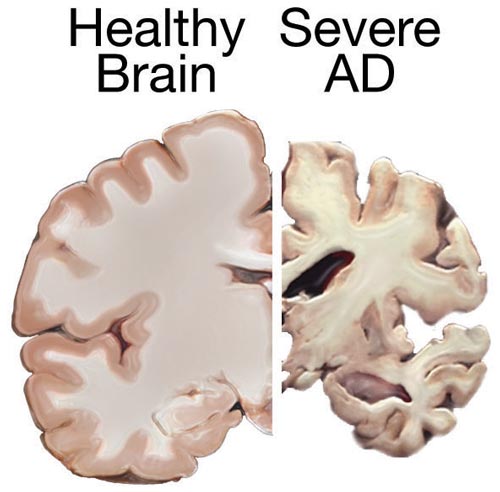
I will leave you with this image to ponder for next time:


Image:  http://az616578.vo.msecnd.net/files/2016/06/25/6360242025150255191939281878_Alzheimer-disease-patients.jpg

Saturday, September 3, 2016

ENCORE #44! – Putting It All Together: EXERCISE ISN’T MAGIC!

From the first moment my wife discovered she had breast cancer, there was a deafening silence from the men I know. Even ones whose wives, mothers or girlfriends had breast cancer seemed to have received a gag order from some Central Cancer Command and did little more than mumble about the experience. Not one to shut up for any known reason, I started this blog…That was four years ago – as time passed, people searching for answers stumbled across my blog and checked out what I had to say. The following entry appeared June of 2012.

Doctors harp on exercise and this is the last time I’ll harp on it at length, too!

Despite the harping – or in my case, perversely because of it – I avoid exercise like the plague.

Even so, as I read more and more sites promoting the “exercise makes you better if you have breast cancer” meme, I found that almost none of them give any kind of evidence as to WHY exercise fights cancer and promotes healing.

So I dug into the sites and finally found some evidence supporting this wild, “Do this one weird thing…” kind of meme.

1) “The complicated nature of the physical activity variable, combined with lack of knowledge regarding possible biological mechanisms operating between physical activity and cancer, warrants further studies including controlled clinical randomized trials.”

Translation?

We haven’t got a good, clear idea of why exercise makes some kind of difference because we can’t quite dig deep enough or look small enough into the Human body to really understand this.

It seems clear that we know a few things: exercise gets rid of fat cells that make estrogen and estrogen drives cancer cell growth; exercise makes insulin more effective; exercise reduces the amount of leptin (which gives cells more cancer receptors) in your blood because you have fewer fat cells to make it; exercise suppresses the production of LH, FSH and “other ovarian hormones” like estrogen and progestogens. At MUCH lower levels, exercise can mimic the effect of the anti-cancer drug, tamoxifen; exercising means that more fat is metabolized and you don’t need as MUCH of the hormone to do the work of fat destruction so there are fewer hormones to drive cancer cell growth; exercise decreases the markers of inflammation; exercise boosts the immune system by circulating more wbcs and T cells, lowers the chemicals that cause swelling, lowers the number of fat cells which make estrogen which strengthens breast cancer cells and keeps the immune system working like this LONGER; and lastly, even the exercise of DAILY MOVEMENT can increase the effectiveness of insulin in those who are insulin resistant.

So we know that exercise is helpful in preventing and recovering from breast cancer. I guess that’s a big “duh” for me. Of course keeping the body healthy would prevent and fight breast cancer.

But now we know the HOW – and that’s been my goal all along!


Saturday, August 27, 2016

GUY’S GOTTA TALK ABOUT #28…The Calm and Thoughts on Breast Cancer International

From the first moment my wife discovered she had breast cancer, there was a deafening silence from the men I know. Even ones whose wives, mothers or girlfriends had breast cancer seemed to have received a gag order from some Central Cancer Command and did little more than mumble about the experience. Not one to shut up for any known reason, I started this blog…

It’s been over five years since The Diagnosis. Just five since chemotherapy concluded. Four since the implants – which will be removed as soon as my wife can get approval.

Lymphedema continues like a plague, but the cancer drugs are over now. No symptoms of any kind – except the hair never came back “the way it was”.

It’s almost scary how the whole issue of breast cancer has…not receded, but become as much a part of our history as, say, the family-made furniture, quilts, art, pottery, recipes, and gardens around the house. Cancer has become an unremarked part of our daily life.

Variations on a theme come and go as well: my wife’s best friend is done with breast cancer treatment; our friends whose child had leukemia don’t talk about it anymore; the skin cancers I had removed have only reminders left; another friend whose wife was diagnosed shortly before my wife was doesn’t mention it any more.

It’s as if when you have such a close brush with mortality, it has become less…remarkable – as in, less worthy of discussion.

Perhaps that comes with age. I am still horrified when children are diagnosed with cancer. My mother-in-law and brother-in-law both ultimately lost the battle against lung and liver cancer. There are still diagnoses every day; and while my wife’s friend’s diagnosis was shocking, it was hardly “surprising”. While we can’t seem to DEAL with cancer in any calmness, nor can we seem to be able to prevent it, we seem to have gotten good at finding it.

At least in this country.

Cancer in “other” countries has no real impact on my life right now, aside from the fact that I spent several months in Nigeria, Cameroon, and Liberia – and some time in Haiti as well. What about cancers in those countries? In particular, what about breast cancer in those countries…

I think that, in future GUYS GOTTA TALK, I’ll do some research to see what’s going on in each of those countries in terms of breast cancer and other kinds…

Later…


Saturday, August 20, 2016

ENCORE #43! – Exercise Reduces Estrogen In the Blood and Strengthens Insulin In the Blood!

From the first moment my wife discovered she had breast cancer, there was a deafening silence from the men I know. Even ones whose wives, mothers or girlfriends had breast cancer seemed to have received a gag order from some Central Cancer Command and did little more than mumble about the experience. Not one to shut up for any known reason, I started this blog…That was four years ago – as time passed, people searching for answers stumbled across my blog and checked out what I had to say. The following entry appeared in March of 2012.

Doctors harp on exercise.

Despite the harping – or in my case, perversely because of it – I avoid exercise like the plague.

Even so, as I read more and more sites promoting the “exercise makes you better if you have breast cancer” meme, I found that almost none of them give any kind of evidence as to WHY exercise fights cancer and promotes healing.

So I dug into the sites and finally found some evidence supporting this wild, “Do this one weird thing…” kind of meme.

1) Exercise may prevent tumor development by lowering hormone levels, (particularly in premenopausal women), as well as lowering levels of insulin and insulin-like growth factor

“Tumor development” – tumors are the things that create the ghastly dark shadows on the mammogram. Characterized by being a lump, the tumor is “abnormal breast tissue cells, growing in an uncontrolled way.”

Hormone levels in a human body mean lots of things. When we thing of hormones, we think of estrogen and testosterone, what most people call “sex hormones”. Essentially, hormones are chemicals made by cells and organs that send messages to other parts of the body. Chemicals we are familiar with but don’t usually call hormones are things like calcitonin, glucagon, human chorionic gonadotropin, serotonin, prostaglandin and of course, insulin. Early pregnancy detection kits are made to show the level of human chorionic gonadotropin. If it’s there, there is a 99% chance you are pregnant. It doesn’t EXIST in a woman’s bloodstream unless she is pregnant.

What hormone levels does exercise reduce? Primarily estrogen. Estrogen does things besides produce secondary sexual characteristics and feed breast cancer tumors. It also increases fat stores in the body (important for energy), increases bone formation, increases triglycerides in blood, promotes fluid balances and decreases fat deposition. Exercising to a point of fat loss causes a decrease in the number of cells in women that make estrogen in fat cells (this begins in menopause) , therefore the amount of estrogen in the blood goes down and the cancer cells grow more slowly.

Insulin and insulin-like growth factor from the pancreas and the liver respectively, regulate the uptake of glucose and fats in the body as well as regulating cell growth. With exercise, insulin absorption and effectiveness increases which shows up as less insulin in the bloodstream and doing its job in the body – which is to cause cells in the liver, muscle, and fat tissue to take up glucose from the blood and store it as glycogen rather than allowing it to float around the bloodstream – which is toxic.

To make a long story short: exercise lowers estrogen and makes insulin more effective.

OK – now I’m starting to see it!


Saturday, August 13, 2016

BREAST CANCER RESEARCH RIGHT NOW! #48: Vascularized Lymph Node Transfer (VLNTx) and Lymphaticovenous Anastomosis (LVA)!

From the first moment my wife discovered she had breast cancer, there was a deafening silence from the men I know. Even ones whose wives, mothers or girlfriends had breast cancer seemed to have received a gag order from some Central Cancer Command and did little more than mumble about the experience. Not one to shut up for any known reason, I started this blog…

Every month, I’ll be highlighting breast cancer research that is going on RIGHT NOW! Harvested from different websites, journals and podcasts, I’ll translate them into understandable English and share them with you. Today: http://newsnetwork.mayoclinic.org/discussion/november-health-letter-highlights-from-the-november-2014-issue/

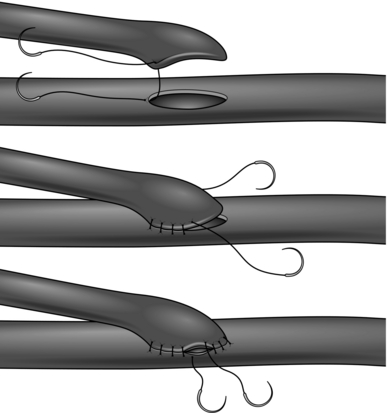
“One procedure is a lymph-to-vein bypass surgery that involves connecting tiny lymph channels in the affected limbs to tiny veins, so blocked up lymph fluids have an outlet to flow into the circulatory system. These connections may be made in multiple locations on the affected limbs during outpatient procedure.

“Another option is lymph node transfer. It involves cutting a wedge of skin tissue containing lymph nodes from one area of the body, often the groin, and transplanting into the affected arm or leg. The transplanted lymph nodes are often able to clear lymph fluid from the affected arm or leg, resulting in partial or full reduction in limb swelling. The procedure requires several days in the hospital.”

“A new approach to treating lymphedema involves transplanting lymph nodes from elsewhere in the body to replace those removed as part of treatment…pioneer a method for selecting lymph nodes for transplant that could minimize this risk…Removing lymph nodes that drain the trunk does not generally cause lymphedema.”

In our area both VLNTx and LVA are being performed by at least one plastic surgeon. He notes however, “Surgery is a treatment option for a very small, selected percentage of the patients who have lymphedema…”

The next question is then, would my wife be one of that small, selected percentage? How is it paid for (ie: does health insurance recognize it as something important or as something cosmetic, that is, “unimportant”)?

To clarify, I should mention that there are TWO systems of fluid transfer in the Human body. The first one we are intimately familiar with called the cardiovascular system – that’s the one that’s connected to our heart and we see every time we cut a finger or scrape a knee. It transfers blood from one part of the body to the other, connects up with the lungs, and general keeps us from dropping dead in sixty seconds!

The lymphatic system is both hidden and for most of us, virtually undetectable. Our Medieval ancestors however, became acutely aware of the lymph system during the Black Death – the plague virus infects the lymphatic system and causes an horrific swelling of the lymph nodes. The nodes were also called “buboes” and the other name for the disease is the Bubonic Plague. Since then, we haven’t paid much attention to it.

It is the nodes, found at the joints – neck, armpits, hips, abdomen, and a few other places – that are removed when there is a suspicion of breast cancer. The nodes, when compressed by our movements, push the lymph from one place to another in the body.

Damage to the lymphatic system does NOT cause death in moments, rather the death from diseases of the lymph nodes and system cause death in terms of months, years, or even decades. The most significant disease to affect the lymphatic system – which also carries white blood cells to injured or infected parts of the body – was the Human Immunodeficiency Virus, more commonly known as HIV. This of course led to the scourge of the 20th Century, Acquired Immune Deficiency Syndrome or AIDS.

It is this parallel system that, when the nodes are removed, causes the buildup of lymph in the extremities. It causes lymphedema.

So there you have it. There is now SOME hope for treating lymphedema; there is now hope for patients whose doctors said, “Oh, don’t worry about injuring the arm we took the lymph nodes from. It’ll be fine…”

It wasn’t fine, and if I could, I would mention to that doctor exactly where he could PUT such saccharine, ineffective, unintelligent, gobbledygook…