Saturday, May 27, 2017

ENCORE #63! – Ripples

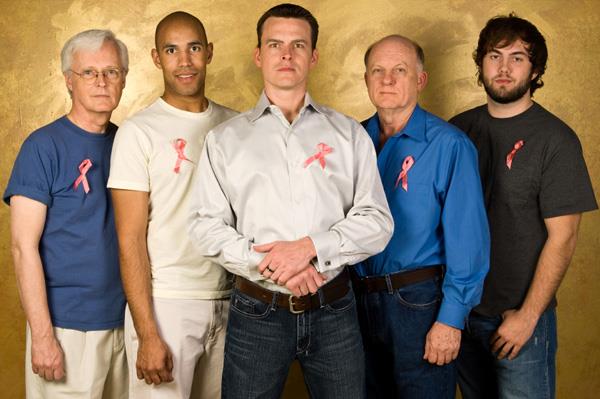
From the first moment my wife discovered she had breast cancer, there was a deafening silence from the men I know. Even ones whose wives, mothers or girlfriends had breast cancer seemed to have received a gag order from some Central Cancer Command and did little more than mumble about the experience. Not one to shut up for any known reason, I started this blog…That was four years ago – as time passed, people searching for answers stumbled across my blog and checked out what I had to say. The following entry appeared in September of 2011.

While my daughter doesn’t often blog on her 20: A Journey of Hope, she does on her other site (http://think.o-my-soul.net/). Currently on the right hand side is her twitterfeed regarding a car accident she and I witnessed.

An elderly woman was driving her very nice car south on Washington Ave, parallel to Interstate 94 at about 4:30 PM. I’d picked my daughter up from Augsburg College where she’d just spent eight hours of attending classes in biopsychology and research methods. Traffic was light. We were chatting.

Many people use Washington to skip the heavy traffic feeding on to the interstate directly from the downtown Minneapolis area. They take it for a short jaunt through the fascinating businesses in the old Warehouse District, then enter the ramp at 22nd by crossing a usually light southbound lane of traffic.

I think she missed the ramp, got on to the next stretch that runs between 26th and Lowry and then, thinking the ramp was there, simply veered into oncoming traffic, looking for the ramp. She said to another bystander that she thought it was the turn on to Lowry she was making (and the Washington was a one way?). At any rate, what we saw was the woman’s car swerve deliberately into two oncoming cars.

My daughter says we experienced vicarious dissonance,a type of vicarious discomfort resulting from imagining oneself in the speaker’s position, leading
to efforts to restore consonance”. In other words, we couldn’t believe that the woman was driving that way because we KNEW that that kind of driving couldn’t happen. We KNEW she should be in the northbound lane.

The resulting head-on collisions destroyed both her car and the badly damaged the other two. I was “first on the scene” and called 911, reported what I saw to police officer in charge after the arrival of two squad cars and a fire truck and my daughter and I moved on to home, deeply shaken.

As I drove, I thought about the accident and the effects it would have. Aside from burning itself into my daughter’s mind – she just got her license a bit over a week ago – and my own, the lives of the people in those cars will be irrevocably affected as well. The young Asian man whose older  model car doubtless carries only collision insurance is now car-less and likely will get piddly cash from the insurance company after endless wrangling over whether he caused the accident or not. The woman in the Volkswagen Beetle will experience the same thing, though by the newness of the car, it likely has more insurance.

And the elderly woman? Will she ever drive again? Will lawsuits (most likely formed by lawyerly vultures wishing to sue everyone in sight and retained by the elderly woman’s wealthy friends, cause the blame to fall on everyone but the woman) be brought, fought and bought? Who brought all of them home? Did the go to the hospital or just go home because their insurance doesn’t pay for something as minor as a non-lethal car accident?

Ripples.

What does a car accident on a Thursday afternoon have to do with breast cancer? Those of you who are THERE can easily guess. Those of you who are not, might consider this: the girlfriend of a good college friend of my daughter; has a mother who was just diagnosed with stage 4 breast cancer.

Ripples, ripples, ripples…


Saturday, May 20, 2017

BREAST CANCER RESEARCH RIGHT NOW! #54: Surgical Solutions for Lymphedema

From the first moment my wife discovered she had breast cancer, there was a deafening silence from the men I know. Even ones whose wives, mothers or girlfriends had breast cancer seemed to have received a gag order from some Central Cancer Command and did little more than mumble about the experience. Not one to shut up for any known reason, I started this blog…

Every month, I’ll be highlighting breast cancer research that is going on RIGHT NOW! Harvested from different websites, journals and podcasts, I’ll translate them into understandable English and share them with you. Today:

I wrote about vascularized lymph node transfer about a year ago here:

I found this website today – it has a short video you might want to watch if this is a subject that interests you, if you are considering having the procedure done, or if you’ve never heard of it: http://www.cancercenter.com/video/treatments-technology/vascularized-lymph-node-transfer/

However, when I first began to look into this subject, I realized that what I REALLY wanted to see is something I discovered today – lymphaticovenular bypass surgery.


Clearly research is moving forward as technology advances and techniques are developed. Today, I found this: “minimally invasive free vascularized omental lymphatic flap”. According to the abstract (here: https://www.ncbi.nlm.nih.gov/pubmed/27439587), there is an 83% success rate and a 22% decrease in the size of the affected limb.

So what does this mean? First: “omental”. The omentum is a large piece of tissue attached to the lower part of the stomach. It has blood vessels as well as several lymph nodes. A section of this tissue is removed by a surgeon using a microscope and moved to the place where the original lymph nodes were taken when breast cancer was first discovered. The tissue is attached and the incision is closed up after all of the blood vessels and lymph vessels are reconnected. It would look very similar to the first video.

That’s all I can find at this time, but I’ll be on this in the future as well.

Image:

Saturday, May 13, 2017

ENCORE #62! – Equal Rights For ALL Women! (Even ones we want to be INVISIBLE!)

From the first moment my wife discovered she had breast cancer, there was a deafening silence from the men I know. Even ones whose wives, mothers or girlfriends had breast cancer seemed to have received a gag order from some Central Cancer Command and did little more than mumble about the experience. Not one to shut up for any known reason, I started this blog…That was four years ago – as time passed, people searching for answers stumbled across my blog and checked out what I had to say. The following entry appeared in February of 2016.

Earlier this week my wife, who is also a cancer survivor and who had a double mastectomy, told me about a woman who had also survived breast cancer and who requested permission to swim at a Seattle, WA pool topless. (

At first the city turned her down, citing a pool rule. When she explained her situation – they made an exception, but only for her. Any other woman who had survived cancer and a double mastectomy, and who would want to swim topless in order to be comfortable while exercising, would have to go beg for the permission of Seattle Parks and Recreation Superintendent Christopher Williams. (Boy could I say something about THAT…) I am quite sure that my wife would be too shy to do that and would put up with the pain that accompanies wearing virtually ANY clothing over healed mastectomy incisions!

I find it ironic and irritating that in a society that openly promotes, celebrates, encourages and markets the ritualized exposing of women’s breasts (just not the nipple – but any other part of the gland is completely and enthusiastically endorse by the judicial system of the land (which, I could point out, is heavily male…)) would hassle this cancer survivor in ANY way!

Maybe this is just part of the Post-Cancer Crash, but maybe it’s not. Maybe it’s righteous indignation that our society is set up for the “well” and while happy to make “exceptions” (for veterans, women, people with physical and mental handicaps, and small children), would just as soon carry on business as usual, excluding those who do not meet the requirements of the Real Competitors and who may have suffered in any way that would leave them (in the opinion of the Real Competitors) weak and unworthy and who have been FORCED to make concessions…

Ugh.

This whole incident leaves me feeling violated and disgusted – because, if you must know the truth, I am one of the Real Competitors and have been all my life. (Well, maybe not a REAL Real Competitors, I am, after all, only a teacher and not in Business (omar, sharif. omar, sharif.)) This past year has continually opened my eyes, challenge my preconceptions and prejudices, and forced me to reconstruct basic assumptions I’ve made all my life.


Saturday, May 6, 2017

GUY’S GOTTA TALK ABOUT…Alzheimer’s #7: The Science of Sundowning – Part 1

Dad’s diagnosis of Alzheimer’s stayed hidden from everyone until I took over the medical administration of my parents in 2015. Once I found out, there was a deafening silence from most of the people I know even though virtually all of them would add, “My _____ had Alzheimer’s…” But there was little help, little beyond people sadly shaking heads. Or horror stories. Lots of those. Even the ones who knew about the disease seemed to have received a gag order from some Central Alzheimer’s Command and did little more than mumble about the experience. Not one to shut up for any known reason, I started this part of my blog…

Dad’s sundowning is getting worse.

Last night he called me several times, confused in many ways. Once he insisted he wasn’t at the care facility where he has lived for the past two years. Another time he called asking me about a battery being charged. A third time he called worried about how he’d get to work tonight – and when I asked a bit for details he stumbled about somehow know BOTH that he’d been retired since 1993 and that he needed to get to work. When I wondered what he did there, he said, “Oh, whatever needs to be done.”

The last call was for me to come and get him and take him home – yet when I asked where, he said, “To the place I’m supposed to be.” We talked for some time, until I finally got him to agree that he’d stay there for the night and we’d talk in the morning…

As I often did when exploring my wife’s breast cancer, I pulled up a recent journal article and I’ll interpret what it says, “Neuropsychiatric symptoms (NPSs) are characterized by a marked interindividual variability. Their prevalence and severity change over the course of the disease. Moreover, multiple interacting variables and pathophysiological mechanisms may influence their occurrence and phenotypic expression. These aspects have been frequently hindering the application of standardized clinical and analytic approaches to NPS, as well as the identification of targeted pharmacological interventions.”

In essence, the authors are telling me that there are so many things that go into how an Alzheimer’s patient experiences sundowning, that there IS no standard treatment – because there is no “normal” expression of the disease. Because it’s so highly individualistic, “…the sundown syndrome has so far drawn limited clinical and scientific interest compared to other specific NPS and behavioral disturbances occurring in dementias (e.g., apathy, depression, psychotic symptoms). As a proof, the available data concerning its prevalence (mostly obtained in institutional/residential settings) are scarce and markedly discordant in the literature. Moreover, no randomized controlled trial (RCT) specifically investigating the effectiveness of pharmacological and non-pharmacological strategies in managing this condition among demented patients has been yet conducted. Several aspects may account for this low attention, such as the lack of commonly agreed definitions, the absence of specific screening and assessment tools and the multiplicity of factors that may trigger or affect its occurrence…the sundown syndrome does not appear in the recent fifth revision of the Diagnostic and Statistical Manual of Mental Disorders.”

To be perfectly frank with y’all, because there’s no target for a drug, no doctor or pharmaceutical company is going to pay for research because there’s no pot of gold at the end of Alzheimer’s rainbow. With nothing apparent to show a “dramatic recovery” when a patient gets a shot or pops a pill, no one is going to see if there’s anything to be done.

This attitude toward sundowning also reminds me of the state of education – there’s no clear definition of WHAT education is. There are very vague and woo-woo sounding ones, like this from Wikipedia: “Education is the process of facilitating learning, or the acquisition of knowledge, skills, values, beliefs, and habits….[it] frequently takes place under the guidance of educators, but learners may also educate themselves. Education can take place in formal or informal settings and any experience that has a formative effect on the way one thinks, feels, or acts may be considered educational.” Now if that isn’t vague, contradictory, and completely unhelpful, imagine what it’s like to try to justify what you do to your friends, community, and congressional bodies!

This appears to be that same for sundowning.

I’m going to stop now and continue with this discussion in future Alzheimer’s posts.

Later.


Saturday, April 29, 2017

ENCORE #61! – Low Level Laser Treatment of Post-Breast Cancer Arm Lymphedema

From the first moment my wife discovered she had breast cancer, there was a deafening silence from the men I know. Even ones whose wives, mothers or girlfriends had breast cancer seemed to have received a gag order from some Central Cancer Command and did little more than mumble about the experience. Not one to shut up for any known reason, I started this blog…That was four years ago – as time passed, people searching for answers stumbled across my blog and checked out what I had to say. The following entry appeared in August of 2015.

After our last visit to the lymphedema clinic and the response of the staff there when my wife asked about a cure, I will now be focusing the “BC Research Right Now!” entries on the subject of lymphedema treatment.

This first entry is NOT something that the clinic we go to has ever offered, and it may be something I suggest we ask for.

It’s called Low Level Laser Therapy or LLLT. Below you’ll find the description of a recent study using it:

“Low level laser therapy (LLLT) (wave lengths 650-1000 nm) is a…therapeutic intervention for treatment of arm lymphedema. [It] can be administered by individuals trained in the use of the device…[and] is believed to stimulate lymphatic movement and lymphangiogenesis (‘the formation of lymphatic vessels from pre-existing lymphatic vessels’, IOW, ‘growing new lymph vessels’); [increase] macrophage activity, and soften fibrotic tissues; improve contractility in the tissues that assist with lymph transport through the lymphatic vessels. These mechanisms increase movement of pooled fluid from the extracellular spaces into the lymphatic system for transport.

“Studies have evaluated the influence of LLLT on lymphedema in breast cancer survivors with mixed results regarding amount of volume reduction and degree of symptom relief...None of these studies reported complications. Although the number of sessions and exposure time to the laser varied across studies, overall results are supportive of the procedure as a lymphedema treatment and demonstrate the feasibility of conducting studies in breast cancer survivors with lymphedema.

“LLLT offers APNs trained in the use of the device an opportunity to directly provide treatment for their patients with lymphedema. Demonstrated successful use [and] could impact current standards of care and treatment delivery by offering alternatives to current treatment, earlier intervention, and increasing access to a pool of providers.

“Based upon the physiological mechanisms of action ascribed to LLLT, the authors of this article theorized that it should reduce lymphatic-associated swelling. The purpose of the pilot study was to examine the impact of [the treatment], as both a stand-alone and complementary treatment for arm volume, symptoms, and Quality of Life in breast cancer survivors with treatment-related lymphedema and to use data obtained in this study to power future studies.”

The hospital we go to has a cancer center with a strong breast cancer component and they are the place where we discovered massage therapy for the reduction of arm volume – what’s known as “manual lymphatic drainage” and includes both home-massage and wearing a compression garment on the arm.

 The results of the study, while not phenomenal or “world-shaking” do, in fact point to the use of LLLT as an adjunct to typical massage and compression treatments: “a 20 minute dose of LLLT when followed immediately by compression bandaging is potentially as effective in reduction of arm volume as 40 minute sessions of MLD or combined MLD and LLLT followed by compression bandaging . This preliminary finding is noteworthy, as the shorter duration of each LLLT session is less burdensome to patients and less time consuming for therapists.”

Less time wasted – that’s an improvement. We’ll have to see if the clinic we go to offers this treatment!


Saturday, April 22, 2017

GUY’S GOTTA TALK ABOUT #34…The Normality of a Breast Cancer Life

From the first moment my wife discovered she had breast cancer, there was a deafening silence from the men I know. Even ones whose wives, mothers or girlfriends had breast cancer seemed to have received a gag order from some Central Cancer Command and did little more than mumble about the experience. Not one to shut up for any known reason, I started this blog…

So the past 23 days, we’ve had our son, daughter-in-law, and our two grandchildren staying with us on vacation from South Korea where he serves in the US Army.

It brought to mind that despite the fact that cancer was the focus of every thought for some time, other matters – in this case, our family – fill our every waking moment.

To reduce it to its barest bones, cancer might be characterized as death; family as life.

When life is written large – playgrounds; meals out; work thrown in because it has to be there; Mystery Caves and Malls of America and Como Park Zoos and Welcome Home parties and former high schools and other places barely remembered because there were so many – and full of life; it masks death so effectively that it’s easy to forget about it. To ignore it. To act as if it didn’t exist.

Or to fly in the face of death, sneer, then shout whilst shaking your fist, “Despite you, we will LIVE!”

That’s what this time has been like for me.

Thank you, God for the joy these hours and days have immersed us in!


Saturday, April 15, 2017

ENCORE #60! – Aches & Pains? or ACHES & PAINS!!!!!?

From the first moment my wife discovered she had breast cancer, there was a deafening silence from the men I know. Even ones whose wives, mothers or girlfriends had breast cancer seemed to have received a gag order from some Central Cancer Command and did little more than mumble about the experience. Not one to shut up for any known reason, I started this blog…That was four years ago – as time passed, people searching for answers stumbled across my blog and checked out what I had to say. The following entry appeared in May of 2015.

I’ll be 58 in a few days and like many folks my age, (besides getting the quarterly invitation to join letter from AARP), I have aches & pains. Sore back, stiff joints, increased fatigue after doing “regular stuff”, pre-diabetic blood sugars, failing eyesight, fading hearing, all the kinds of things we associate with aging.

My wife experiences some of the same things – but there’s a twist now.

When talking about a stiffness here or swelling there, the breast cancer survivor has the added, “elephant in the room” – is the ache or pain caused by breast cancer resurgence or the meds that they have been taking for years?

In other words, are these simple aches & pains, or are they symptoms of the cancer or the anti-cancer drugs, and urge a visit to the cancer clinic rather than the medicine cabinet for some Tylenol? What I think of as ACHES & PAINS!!!!

It seems that there is a certain amount of fatigue that accompanies a woman after successful breast cancer treatment, “Fatigue is a normal response to breast cancer treatments like chemotherapy and radiation therapy, but one-third or more of breast cancer survivors report continued debilitating fatigue long after treatment has ended.”

While the first resource listed below was written before 2011, current research seems to be uncovering even more startling information!

“Pat Christian beat stage 3 breast cancer. But 5 years later, she's still fighting fatigue.  She says, ‘Your body is not the same.  After you go through chemo or radiation, your body is not the same.’ That's why the 57-year old non-profit founder volunteered for a study at Emory Medical School, to see if massage therapy can help breast cancer survivors cope with fatigue.  She was skeptical.  Christian says, ‘When they told me about the treatment, I was, like, right!  I just really didn't think it was going to make a big difference…’”

The fact is that no one told my wife about cancer-fatigue. I’d never heard of it, either.

When we went to a B&B several years ago, part of the package offered a massage session. We took them up on it – my wife had the bath salt and massage, I had the hot rock massage. It WAS fantastic!

But NOW, maybe we need to do it again. We know all about aches & pains and now it appears that ACHES & PAINS!!!! are real. And apparently, those ACHES & PAINS!!!!, clinically identified as cancer-fatigue have a real cause – and a real solution.

We’ll let you know what happens!

[Note: Nothing happened…cancer fatigue continues in ways that are both debilitating and defeating. The fact is that, you just keep moving forward, doing the best you can. The key? KEEP MOVING, NO MATTER WHAT.]